9 min read
Disclosure: As an Amazon Associate and eBay Partner Network publisher, we earn from qualifying purchases. This doesn’t affect what we recommend or how we describe it.
How do you keep your home from turning into a fur-coated slip-and-slide each shedding season? The answer isn’t just “brush more”—it’s “brush smarter.” The right brush for a shedding dog depends on coat type, hair length, and how much fur you want to remove in each session. Not all brushes are created equal, and the wrong choice can leave you frustrated, your dog uncomfortable, and your furniture still covered in hair. Let’s break down which brush types actually work for real-world shedding, and how to pick the right tool for your dog’s coat—whether you have a double-coated Husky, a short-haired Lab, or a wiry Terrier.
Why Shedding Isn’t One-Size-Fits-All: The Science Behind Dog Coats
Shedding is more than just an annoyance—it’s a biological process tied to your dog’s breed, genetics, and even the season. Double-coated breeds like Golden Retrievers and German Shepherds blow their undercoat twice a year, while short-haired breeds shed smaller amounts year-round. Some dogs, like Poodles, barely shed at all, but for most households, stray fur is a fact of life.
What matters most is matching your brush to your dog’s coat structure. A slicker brush that’s perfect for a Collie’s thick undercoat can scratch the skin of a smooth-coated Beagle. Meanwhile, a rubber curry brush that works wonders on a Boxer will barely make a dent in a Malamute’s dense fur. Understanding coat anatomy is the first step to picking the right tool.
Which Brush Types Actually Work for Heavy Shedding?
Let’s get specific. These are the main brush categories that tackle shedding, each with distinct strengths and best-use scenarios:
- Slicker brushes: Fine, angled wire bristles on a flat or slightly curved head. Best for removing loose undercoat in medium and long-haired breeds. Typical head sizes range from 2.5″ x 4.5″ up to 4″ x 7″.
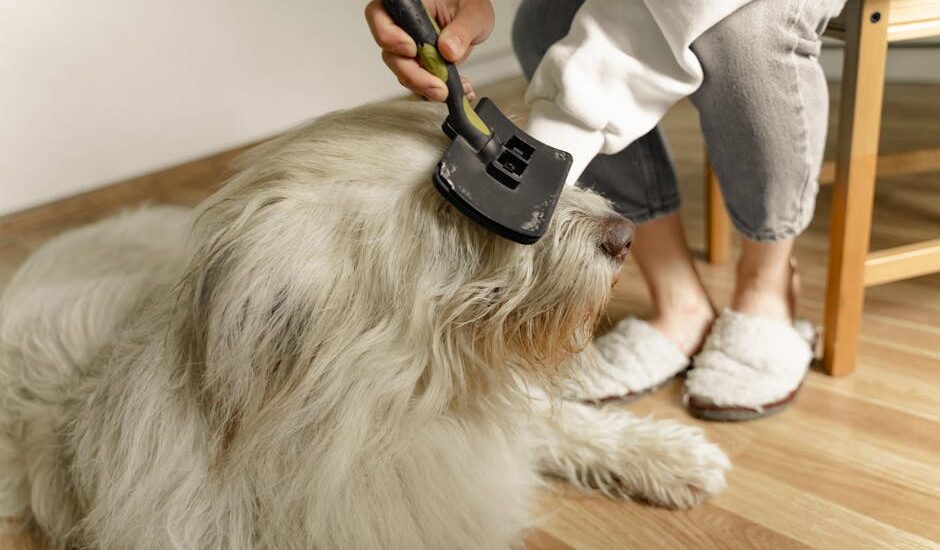
- Deshedding tools: Stainless steel rakes or combs with closely spaced teeth, designed to pull out dead undercoat. Tooth length varies (0.5″–1.5″), and tools are often rated for dogs over 20 lbs due to their intensity.
- Undercoat rakes: Long, widely spaced teeth (1″–2″ long) that penetrate thick coats to loosen and remove undercoat clumps. Essential for double-coated breeds over 40 lbs.
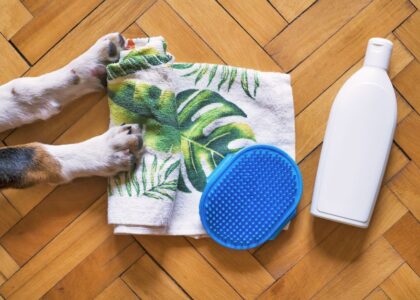
- Rubber curry brushes: Soft, flexible rubber nubs that massage and lift loose hair, ideal for short-haired breeds. Most measure 3″–5″ across for palm grip.
- Bristle brushes: Dense clusters of natural or synthetic bristles; good for surface smoothing and light shedding, but not for deep undercoat removal.
Still unsure which to choose? The best brush is the one that matches your dog’s coat biology—and your tolerance for stray hair.
Real-World Comparison: Which Brush Type Fits Your Needs?
| Brush Type | Best For | Coat Length | Tooth/Bristle Length | Shedding Removal Effectiveness | Price |
|---|---|---|---|---|---|
| Slicker Brush | Medium/long-haired, mats & tangles | 1–4 inches | 0.5″–1″ | High (removes up to 85% loose undercoat in 10-min session) | $$ |
| Deshedding Tool | Heavy shedders, double coats | 1–3 inches | 0.75″–1.5″ | Very High (removes up to 90% loose undercoat in 10-min session) | $$$ |
| Undercoat Rake | Thick/dense undercoats | 2–6 inches | 1″–2″ | High (best for heavy seasonal shedding) | $$ |
| Rubber Curry Brush | Short-haired, sensitive skin | Up to 1 inch | — | Medium (removes up to 70% surface hair) | $ |
| Bristle Brush | Finishing, light shedding, puppies | Any | — | Low (mainly surface debris and loose hair) | $ |
Double-coated Breeds Demand Special Tools
If you live with a Husky, Shepherd, or Retriever, you already know: standard brushes barely touch the undercoat. Double-coated breeds have a soft, dense underlayer that sheds by the fistful during “coat blow” season. Here’s what actually works:
- Undercoat rakes: Look for rakes with teeth at least 1″ long, spaced 0.25″–0.5″ apart. They reach deep enough to pull out dead undercoat without scraping skin. Dogs over 40 lbs need a tool with a wide head (min. 3″ across).
- Deshedding tools: These have stainless steel combs that strip out loose undercoat efficiently. Most are safe for adult dogs over 20 lbs, but check for skin sensitivity.
Slicker brushes can help with finishing and detangling, but they rarely remove as much undercoat as a dedicated rake or deshedding tool. For breeds like Malamutes or Akitas, plan on 15–20 minute sessions during peak shedding, 2–3 times a week.
View available optionsShort-Haired Shedders: Don’t Overlook Rubber Brushes
Short, dense coats (think Labs, Boxers, or Pugs) shed constantly, but their fur rarely mats. Here, a rubber curry brush outperforms metal bristles. The flexible nubs massage the skin, loosen hair, and collect it in clumps you can peel away. These work best on dry coats, and most are safe for daily use—even on sensitive skin.
For best results, choose a palm-sized brush with nubs at least 0.25″ high. A 5-minute session can pull up to 70% of loose hair, especially during seasonal peaks. Bristle brushes can finish the coat for extra shine, but they won’t remove much shedding on their own.
See what’s availableMixing Brush Types: When to Layer Tools for Maximum Results
No single brush does everything. Many owners combine two (or even three) tools based on their dog’s coat and the season. For a Golden Retriever, you might start with an undercoat rake to tackle dense fur, then follow with a slicker brush for surface debris. For a Bulldog, a rubber curry brush is usually enough, but a bristle brush can smooth things out for show-day shine.
Don’t overdo it—too much brushing, especially with metal tools, can irritate the skin. For most heavy shedders, 10–15 minutes per session, 2–3 times a week, is enough outside of peak shedding months. For short-haired dogs, 5 minutes daily with a rubber brush is ideal.
Compare today’s dealsQuick decision tree
- If your dog has a thick double coat and sheds seasonally: Start with an undercoat rake or deshedding tool—these reach deep and remove the most fur.
- If your dog is short-haired and sheds year-round: Use a rubber curry brush for daily or near-daily sessions; it’s gentle and effective.
- If your dog is prone to mats and tangles: A slicker brush is best for detangling and moderate undercoat removal.
- If you’re grooming a puppy or a dog with sensitive skin: Choose a soft-bristle brush or a rubber brush to avoid discomfort.
- If budget is your top concern: Rubber curry and bristle brushes are the most affordable and versatile.
Breed, Age, and Skin Sensitivity: How to Adjust Your Brush Choice
Not all shedding dogs are created equal. Puppies have delicate skin and should start with soft brushes—rubber or natural bristle only. Senior dogs may develop thinner coats or sensitive skin; avoid metal tools with sharp edges and opt for gentler options.
Breed matters most. Northern breeds (Huskies, Malamutes) require deep-penetrating rakes. Spaniels and Collies benefit from slickers for detangling and moderate undercoat removal. Short-coated breeds (Dalmatians, Boxers) respond best to rubber brushes. For mixed breeds, assess the dominant coat type and err on the side of gentleness if you’re unsure.
If your dog has a skin condition or is recovering from surgery, consult your vet before brushing—some tools can cause microabrasions. The Dog’s Naturally Magazine site has a helpful overview of grooming risks and coat health.
Related Guides
- Normal Shedding vs Excessive Shedding: How to Tell the Difference
- How to Apply Flea Treatment on Dogs: Step-by-Step Guide
- How to Brush a Double-Coated Dog: Expert Tips for Healthy Fur
- What Are Dew Claws in Dogs and Why Do They Matter?
- Our guide to Why Do Dogs Eat Grass? Understanding This Common Canine Behavior
- Why Do Dogs Get the Zoomies After a Bath?
Common Owner Mistakes: What to Avoid When Brushing Shedding Dogs
It’s easy to cause discomfort or even injury with the wrong brushing technique. The most common mistakes:
- Using too much pressure: Especially with slicker brushes or deshedding tools—gentle strokes are more effective and safer.
- Brushing wet fur with metal tools: Always brush dry to avoid hair breakage and skin irritation.
- Ignoring tool cleaning: Built-up hair and oils reduce brush effectiveness; clean tools after each session.
- Not matching tool to coat: Using a rake on a short-haired dog or a rubber brush on a thick double coat wastes time and can annoy your dog.
- Brushing too infrequently: Waiting until fur is everywhere makes the job harder and increases matting risk.
Grooming is a partnership—watch your dog’s body language and adjust your approach if they seem uncomfortable.
FAQ: Shedding Brushes for Dogs—Real Owner Questions Answered
How often should I use a deshedding tool on my double-coated dog?
During peak shedding (spring and fall), use a deshedding tool two to three times per week for 10–15 minutes. Outside of those periods, once a week is typically enough. Overuse can irritate the skin, so monitor for redness or discomfort.
Slicker brush vs. undercoat rake—what’s better for a Husky?
An undercoat rake is more effective for removing the dense, dead undercoat Huskies shed. Slicker brushes can help with detangling and finishing, but they rarely reach as deep. Use the rake first, then follow with a slicker for best results.
Can I use a slicker brush on a short-haired dog?
Slicker brushes are not ideal for short-haired breeds; their fine wires can scratch the skin and don’t remove much surface hair. Opt for a rubber curry brush or soft-bristle brush instead for these dogs.
How long does a typical grooming session take for a heavy shedder?
For large, double-coated breeds, expect to spend 10–20 minutes per session during peak shedding. Short-haired breeds usually need just 5–10 minutes per session. Consistency is more important than session length for managing loose fur.
What’s the risk of using a metal deshedding tool on a puppy?
Puppy skin is much thinner and more sensitive than adult skin. Metal deshedding tools can cause micro-cuts or irritation; stick to rubber or soft-bristle brushes until your dog is at least 6–8 months old or your vet gives the green light.
Do shedding brushes work on mixed breeds with unpredictable coats?
Yes, but the best brush depends on the dominant coat type. For thick, fluffy mixes, use an undercoat rake or slicker. For sleek, short-haired mixes, a rubber brush is usually most effective. You may need to try more than one tool to see which removes the most loose hair with the least discomfort.
Is there a warranty or return policy on dog brushes if they don’t work?
Most reputable pet supply retailers offer a 30-day return window, and some brushes come with a limited warranty against manufacturing defects. Always check the packaging or retailer’s policy before buying, especially if investing in a premium deshedding tool.
The Bottom Line: Match the Brush to the Coat, Not the Hype
The best brush for shedding dogs is the one tailored to your dog’s coat type and your grooming goals. Heavy shedders with double coats demand undercoat rakes or deshedding tools; short-haired breeds excel with rubber curry brushes. Don’t be swayed by marketing—look for concrete specs like tooth length or brush size, and adjust your tool kit as your dog ages or their coat changes. Your furniture—and your dog—will thank you for it.


Last updated: July 2026 · How we put guides together