8 min read
Disclosure: As an Amazon Associate and eBay Partner Network publisher, we earn from qualifying purchases. This doesn’t affect what we recommend or how we describe it.
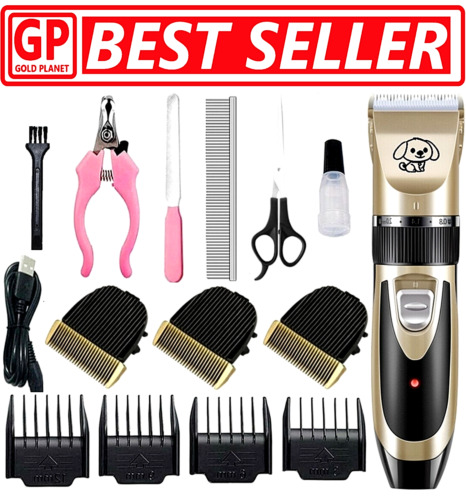
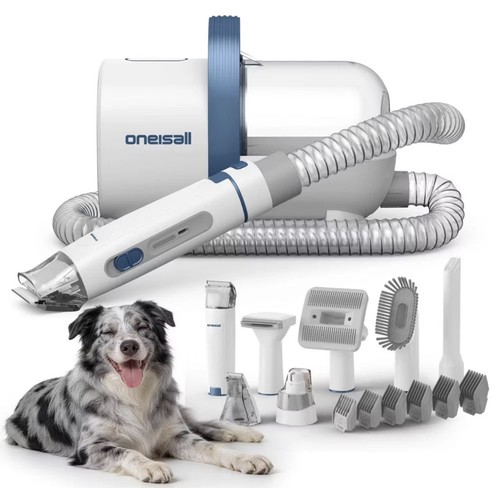
Grooming at home can save hundreds each year, but only if your equipment stays sharp, safe, and reliable. For multi-dog households, home groomers, and anyone managing double-coated or high-shedding breeds, maintaining your dog grooming tools isn’t optional—it’s what separates a stress-free session from a frustrating, expensive mess. Whether you’re working with a basic slicker brush and nail clippers or a full kit including clippers, shears, and deshedding rakes, the difference between “well cared for” and “neglected” equipment can mean the difference between a smooth, safe trim and a session that ends in discomfort or injury for your dog.
Spot the difference between well-maintained and neglected grooming tools
It’s easy to miss the early warning signs: a brush that pulls more than it detangles, clippers that leave uneven lines, scissors that stick. But these small annoyances signal bigger problems. Dull blades can snag fur and skin. Rusty nail clippers crush instead of cut, risking splintered nails and pain. Even a little hair or oil buildup inside clippers can overheat motors or cause them to seize. The bottom line: poorly maintained gear not only shortens your tool’s lifespan but can make grooming harder for both you and your dog—especially if you’re working with thick, curly, or double coats.
Compare grooming tool types and their maintenance demands
| Tool Type | Typical Use Case | Maintenance Frequency | Key Upkeep Tasks | Durability (Years) |
|---|---|---|---|---|
| Slicker Brush | General detangling, undercoat removal | Weekly | Remove hair, sanitize pins, check for bent wires | 2–5 |
| Shedding Rake | Heavy undercoat, double-coated breeds | After each use | Clear teeth, oil moving parts, inspect handle joints | 3–6 |
| Nail Clippers (Guillotine/Scissor) | Nail trimming, all breeds | Monthly | Sharpen blades, clean hinge, lubricate spring | 1–3 |
| Electric Clippers | Full-body trims, poodle & curly coats | After each use | Clean blades, oil moving parts, replace blades (6–12 mo) | 3–7 |
| Grooming Shears | Precision trimming, face/feet | Monthly | Sharpen edges, sanitize, adjust tension screw | 2–4 |
| Deshedding Tool | Heavy seasonal shedding, thick coats | After each use | Remove fur, wipe blade, check for dullness | 2–5 |
How to maintain dog grooming equipment: step-by-step guide
- Disassemble tools as needed. Remove detachable blades, combs, or guards from clippers and brushes. This prevents trapped hair and lets you access all surfaces.
- Remove hair and debris. Use a small cleaning brush (often included) or a toothbrush to sweep out fur and dander from brush pins, clipper blades, and between tool joints.
- Wash and disinfect. For non-electric tools, soak in warm, soapy water for 5–10 minutes, then rinse. For electric clippers, wipe blades with a damp cloth and use a disinfectant spray rated for grooming tools. Always follow manufacturer safety instructions.
- Dry thoroughly. Pat tools dry with a towel, then air dry completely. Moisture left in hinges or under blade attachments can cause rust or bacterial growth.
- Sharpen or replace as needed. Check blades and shears for dullness—if hair bends or splits rather than cuts cleanly, it’s time to sharpen or swap out the part.
- Oil moving parts. Apply a drop of grooming tool oil to clipper blades, shears, and any moving joints. Wipe off excess to avoid attracting dust and hair.
- Store properly. Keep tools in a dry, ventilated case or on a rack. Avoid sealed plastic containers, which can trap moisture and encourage rust, especially in humid climates.
Routine maintenance not only makes grooming safer and faster, but it also extends your tool’s usable life. Compare today’s deals on replacement blades and maintenance kits if your current setup is overdue for an upgrade.
Choose the right cleaning products for every tool
Not all cleaning agents are created equal. Alcohol-based sprays (at least 70% isopropyl) sanitize quickly but can dry out rubber grips or plastic handles over time. Chlorhexidine-based solutions are gentler on hands and safe for most metals, making them a solid pick for regular disinfection of combs, nail clippers, and shears. For electric clippers, always choose a lubricant and cleaner specifically labeled as safe for grooming blades—household oils or WD-40 can gum up mechanisms or cause skin reactions.
For brushes and rakes, a mild dish soap diluted 1:10 with water is enough for routine cleaning. Avoid bleach or harsh detergents—they can corrode metal pins or leave residues that irritate sensitive skin, especially on puppies or dogs with allergies. If your dog has a skin condition, consult your vet before introducing any new cleaning chemical. For more detail on safe disinfectants, see the International Veterinary Care Journal.
Breed and coat-specific maintenance: what matters for your dog?
Different coats put different demands on your gear. For example, grooming tools used on a Siberian Husky or Golden Retriever will collect much more undercoat and oil than those used on a French Bulldog. Double-coated and long-haired breeds often require more frequent tool cleaning (sometimes after every session) and quicker blade replacement, as their coarse or dense fur dulls edges faster. Curly-coated dogs—think Poodles or Bichons—can trap moisture and hair in clipper blades, increasing the risk of rust and overheating if not cleaned immediately after use.
Puppies and senior dogs have thinner, more sensitive skin; even slightly dull clippers or shears can nick or irritate. For these life stages, err on the side of more frequent sharpening and thorough disinfection. If you groom multiple dogs with different coat types, clean and disinfect tools between each to prevent cross-contamination of skin oils, parasites, or bacteria. View available options for coat-specific tool sets if you’re struggling to keep up with diverse grooming needs.
Related Guides
Total cost of ownership
It’s easy to underestimate the true expense of home grooming. Here are the most common ongoing costs:
- Replacement blades and shears: High-use clipper blades and scissors may need replacing every 6–12 months, especially for thick or matted coats. Expect to budget for at least one new blade or sharpening per year if grooming multiple dogs.
- Cleaning and lubricating supplies: Disinfectant sprays, clipper oil, and blade wash typically last 6–12 months with regular use. Annual cost ranges from modest to significant based on frequency and size of your grooming kit.
- Accessory parts: Clipper guards, brush heads, and nail clipper springs can wear out or break. Plan for replacements every 1–2 years, especially if tools are shared among several dogs or breeds.
- Electricity and battery replacements: Rechargeable clippers may need new batteries every 2–3 years, and corded models will add to your electric bill—though usually a minor increase.
- Tool storage: Proper cases or racks can prevent rust and damage. While a one-time purchase, quality storage can save money by extending tool life.
Factoring in these costs helps you avoid sticker shock and keeps your grooming setup performing at its best. See what’s available for maintenance kits and storage solutions tailored to your needs.
Common mistakes (and how to avoid them)
Some pitfalls are easy to miss until it’s too late. One of the biggest: skipping blade oiling after cleaning, which leads to friction and rapid dulling. Another is storing tools in sealed containers before they’re completely dry—this traps moisture and can cause rust within days, especially on carbon steel blades. Many owners also neglect to check tension screws on shears, leading to uneven cutting or even injury if the blades separate during use.
For electric clippers, using them on dirty or wet fur is a recipe for blade damage and motor burnout. Always brush out dirt and dry the coat before clipping. Don’t ignore minor problems—bent brush pins, dull clipper blades, or sticky shears can usually be fixed quickly, but left alone, they can ruin both equipment and the grooming experience.
FAQ: maintaining dog grooming equipment
How often should I clean my dog grooming tools?
Ideally, you should remove hair and debris after every use, and disinfect tools weekly if used regularly. For electric clippers or tools used on multiple dogs, clean and sanitize after each session to prevent cross-contamination and keep them running smoothly.
Is it better to sharpen or replace clipper blades?
Sharpening is cost-effective for high-quality blades and shears, but replacement is often better for budget or heavily worn parts. If blades pull or snag even after sharpening, replacement is the safer choice for your dog’s comfort.
How long does a typical grooming tool last?
With regular maintenance, most brushes and combs last 2–5 years, while electric clippers and shears can last up to 7 years. Heavy use, thick coats, or infrequent cleaning can shorten this lifespan significantly.
Slicker brush vs deshedding tool—does one require more upkeep?
Deshedding tools usually need more frequent cleaning and blade inspection, especially for thick double coats that dull blades quickly. Slicker brushes are simpler to maintain, but bent or broken pins must be addressed promptly for safety.
What’s the risk of not disinfecting tools between dogs?
Failing to disinfect can spread parasites, bacteria, or skin conditions from one dog to another. This is especially risky in multi-dog households or if grooming dogs with known skin issues.
Are there warranties or guarantees on grooming tools?
Many mid- and high-tier grooming tools come with 1–2 year manufacturer warranties covering defects and some wear parts. Always check the warranty specifics before purchase, and register your tools if required for coverage.
So, is home grooming gear worth the effort?
If you want a long-lasting, safe, and stress-free grooming routine, maintaining your equipment is non-negotiable. Well-cared-for tools don’t just save money—they make every session faster, safer, and more comfortable for your dog. The small investment of time in cleaning, sharpening, and proper storage pays off in years of reliable performance. Choose the right maintenance routine for your dog’s coat, and your grooming kit will reward you every time you pick it up.

Last updated: July 2026 · How we put guides together