8 min read
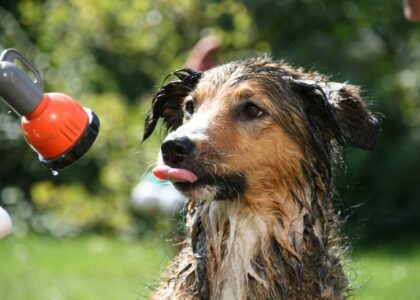
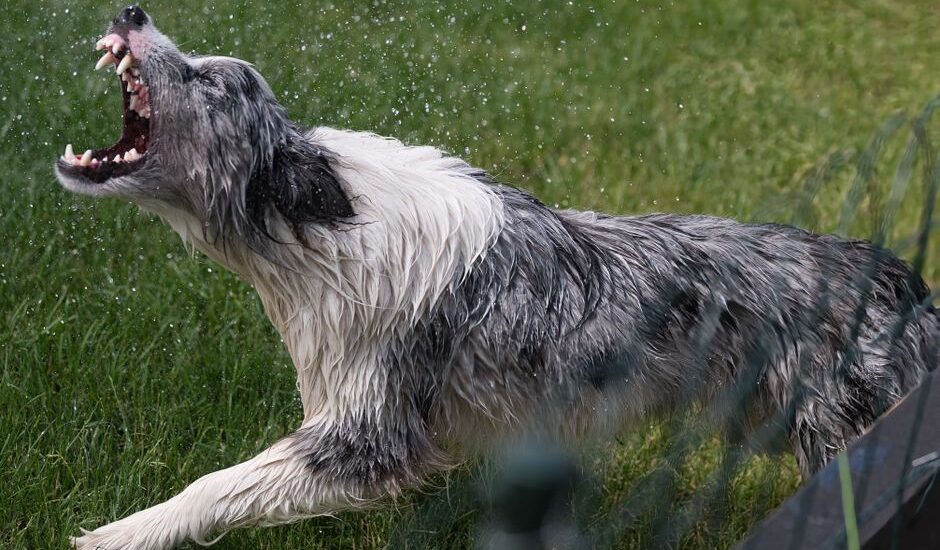
Your dog bolts out of the tub, shakes off water, and suddenly launches into a full-speed lap around the house—crashing into furniture, skidding across rugs, ears flapping in wild joy. Why do so many dogs explode with “zoomies” right after a bath, and what’s really driving this energetic outburst? This guide digs into the science, practical care implications, and safety tips behind post-bath zoomies—so you’ll know what’s normal, when to worry, and how to channel that energy for a happier, less chaotic clean-up.
Pinpoint what triggers post-bath zoomies in dogs
Zoomies—formally called Frenetic Random Activity Periods (FRAPs)—are sudden bursts of energy where dogs run, spin, and leap in unpredictable patterns. After a bath, these episodes are especially common, and not just in puppies. But the triggers go beyond simple excitement or relief.
- Physical relief: Many dogs dislike the feeling of being wet or the sensation of water on their skin. Zooming helps them shake off residual moisture and the odd feeling of damp fur.
- Emotional release: Bath time can be stressful, even for dogs that tolerate it. Zoomies act as a natural “reset” to discharge pent-up tension or anxiety.
- Scent restoration: Commercial shampoos mask a dog’s natural scent. Some dogs zoom and rub themselves on furniture or carpet to reclaim their own “smell.”
- Temperature change: Going from warm water to cool air can create a rush of stimulation, especially in short-haired or thin-skinned breeds.
This combination of sensory, emotional, and physical factors explains why zoomies are so common after baths—and why some dogs are more prone than others.
Compare the most common post-bath zoomie triggers and how to manage them
| Trigger Type | Typical Breeds/Life Stages | Main Signs | Management Strategy | Risk Level |
|---|---|---|---|---|
| Physical Discomfort | Short-coated, sensitive-skinned adults | Vigorous shaking, rubbing on furniture | Use towels rated 400+ GSM, dry fast | Low |
| Stress/Anxiety Release | Puppies, anxious breeds | Wide-eyed, frenetic dashing | Bath in calm, quiet space; positive reinforcement | Moderate |
| Scent Restoration | Hounds, scent-driven breeds | Rolling on carpet, rubbing against walls | Use unscented, neutral pH shampoos | Very Low |
| Temperature Shock | Toy breeds, seniors | Shivering, frantic movement after bath | Water temp 37–39°C, keep room warm | Moderate |
| Overstimulation | High-energy, adolescent dogs | Zooming, barking, play-bowing | Shorter baths, structured play post-bath | Low |
Spot the difference between normal zoomies and worrying behaviour
Most post-bath zoomies are harmless, even comical, but there are important differences between exuberant play and signs of discomfort or distress. A healthy zoomie typically lasts 1–5 minutes and features loose, bouncy body language—arched back, play bows, and wide, relaxed eyes. Your dog may dash, spin, or “play attack” towels or furniture, then settle down naturally.
Be alert for signs that cross the line into distress:
- Prolonged frantic running (10+ minutes) without settling
- Vocalising in pain, excessive scratching or biting at skin
- Persistent shivering, hiding, or refusal to be touched
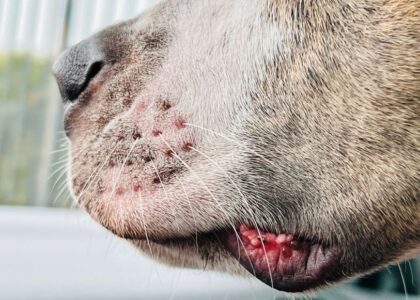
- Red, inflamed skin or visible rash post-bath
These may indicate a skin reaction to shampoo, water too hot/cold, or underlying anxiety that needs a gentler approach. If in doubt, consult a qualified behaviourist or your vet for tailored advice, but don’t panic—true post-bath harm is rare when using dog-safe products and gentle handling.
Choose the right bath routine to reduce post-bath zoomies
While you can’t (and shouldn’t) eliminate zoomies entirely—since they’re a healthy outlet for energy—adjusting your bath routine can reduce their intensity and keep things safer. Here’s how to tailor your approach:
- Water temperature: Use lukewarm water—ideally 37–39°C (98–102°F)—especially for small, senior, or short-coated breeds prone to chills.
- Bath duration: Keep sessions under 10 minutes for most dogs, especially if they start to squirm or vocalise.
- Drying method: Use towels rated 400 GSM or higher for maximum absorption. For thick-coated dogs, a dog-safe dryer on low heat (under 40°C/104°F) can help prevent dampness that triggers zoomies.
- Shampoo selection: Opt for unscented, pH-balanced formulas—ideally with a pH between 6.5–7.5—to avoid irritating skin or masking your dog’s natural scent.
- Post-bath environment: Let your dog loose in a “zoomie-safe” area (carpeted, free of clutter and sharp corners) for 5–10 minutes post-bath to burn off energy safely.
Interested in upgrading your drying setup or looking for better absorbency?on high-GSM towels and dog-safe dryers designed for fast, gentle moisture removal.
See how breed and age influence post-bath zoomies
Not every dog reacts the same way after a bath. Genetics, coat type, age, and temperament all play a role in how likely—and how intense—zoomies get. Here are some patterns you’ll see in practice:
- Puppies: Under 12 months, nearly all breeds show frequent, intense zoomies after any high-stimulation event, including baths. Their energy regulation is still developing.
- Adolescent/high-drive breeds: Herding breeds, terriers, and sighthounds tend to have the most dramatic zoomies, often combining running with play bows and barking.
- Scent hounds: Breeds like beagles or basset hounds may focus on rubbing and rolling after a bath, driven by a strong urge to reestablish their scent.
- Senior dogs: Dogs over 7 years often have milder zoomies or skip them entirely. If an older dog suddenly develops intense post-bath activity, check for skin discomfort or pain.
- Short-coated and hairless breeds: Prone to shivering and temperature-driven zoomies—keep them warm and dry them quickly.
Tailoring your bath routine to your dog’s age and breed traits makes a difference. For example, a thick double-coated retriever will need a different drying approach than a greyhound or Chihuahua.on breed-appropriate bathing accessories to make the process smoother.
Related Guides
- Dog Zoomies Explained: Why Dogs Get Sudden Bursts of Energy
- Our guide to Can Dogs Get Sunburned? What Every Owner Should Know
- Our guide to Why Play Matters for Dogs: The Key Benefits of Keeping Them Active
- Dog Training Clickers Reviewed: Which Ones Stand Out?
- Our guide to Dog Toothbrush Sets That Actually Make Brushing Easy
- Can Dogs Read Your Body Language? What Science Says
- Browse all Health & Wellness →
Common mistakes to avoid
- Using human shampoo: Human formulas have a pH (typically 5.2–5.5) that can irritate canine skin (ideal pH: 6.5–7.5), leading to itching and more frantic post-bath behaviour.
- Skipping the towel dry: Letting dogs air-dry, especially in cool homes, can trigger temperature-related zoomies and increase the risk of chills in small or senior dogs.
- Bathing in a slippery area: Tiled bathrooms without non-slip mats increase the risk of injury during zoomies—dogs can sprain joints or split nails while dashing on slick surfaces.
- Ignoring signs of shampoo allergy: Persistent scratching, redness, or “zoomies” that look more like frantic itching may signal sensitivity to an ingredient. Always rinse thoroughly and switch to a hypoallergenic formula if needed.
- Not preparing a safe “zoomie zone”: Allowing post-bath zoomies in rooms with breakables, stairs, or sharp furniture corners can result in injuries or property damage. Plan ahead for a safe space.
Redirect post-bath energy for a calmer clean-up
Trying to suppress zoomies doesn’t work, but you can channel that burst of energy into safer, more productive outlets. After drying, direct your dog to a soft, carpeted area or a fenced yard. Toss a toy or engage in gentle tug for 3–5 minutes—this gives your dog permission to let loose in a controlled way. For high-energy breeds, a quick training session (sit, down, spin) can also help satisfy the urge to move and re-engage with you.
Some owners find success with calming jackets or light massage post-bath, especially for anxious dogs. Always monitor your dog for signs of overexcitement, and step in if play escalates to riskier behaviour like jumping on furniture or nipping. If you need new toys or calming gear,for options tailored to post-bath play and relaxation.
FAQ: Get answers to real questions about zoomies after bath
How long do post-bath zoomies usually last?
Most dogs’ zoomies last between 1 and 5 minutes after a bath. If your dog is still frantically running or showing signs of distress after 10 minutes, check for skin irritation or anxiety and adjust your routine accordingly.
Are post-bath zoomies dangerous?
Zoomies themselves are rarely dangerous, but the environment can make a difference. Slippery floors, sharp furniture, or stairs can increase the risk of slips, sprains, or minor injuries. Always supervise and create a safe space for your dog to burn off energy.
Which breeds are most likely to get zoomies after a bath?
Terriers, sighthounds, retrievers, and herding breeds tend to show the most dramatic post-bath zoomies. Scent hounds focus more on rolling and rubbing. Toy breeds may zoom if chilled, while seniors usually have milder responses.
Is it better to towel dry or use a blow dryer to reduce zoomies?
For most dogs, towel drying with a high-absorbency towel (400+ GSM) is safest and most comfortable. A dog-safe blow dryer on low heat can help with thick or double coats but may startle noise-sensitive dogs and trigger more zoomies if used incorrectly.
Can frequent baths make zoomies worse?
Bathing too often (more than once every 2–4 weeks for most breeds) can dry out the skin, increasing itchiness and discomfort—and therefore more intense zoomies. Use gentle, pH-balanced products and only bathe as needed for coat health.
Zoomies after bath vs zoomies at other times—what’s the difference?
Post-bath zoomies are usually triggered by physical sensations (wet fur, temperature changes) and emotional relief, while spontaneous zoomies during play are more about excess energy. Both are normal, but post-bath zoomies can be more frantic or focused on drying off and scent restoration.
What if my dog never gets zoomies after a bath?
Some dogs, especially seniors or very calm breeds, may not zoom at all after bathing. This is normal and not a sign of a problem—as long as your dog is comfortable, relaxed, and shows no signs of distress post-bath.
Authoritative resources for further reading
For more insight into canine behaviour and health, see Dog Star Daily for behaviour science, or the Psychology Today animal behaviour section for expert perspectives on FRAPs and stress relief.
Bottom line: Post-bath zoomies are a natural, healthy response—part stress relief, part joy, part drying strategy. By understanding your dog’s specific triggers and setting up a safe environment, you can keep bath time fun, not frantic. Embrace the zoom—just prep your living room first.
Last updated: June 2026 · How we put guides together