8 min read
Most dog owners first notice dew claws when their vet brings them up—often in the context of removal. Yet these small, thumb-like digits on your dog’s front (and sometimes rear) legs are far more than evolutionary leftovers. The most important thing to know: dew claws serve real, functional purposes in many breeds, and whether you keep or remove them should depend on your dog’s activities, breed, and risk factors—not on blanket advice or aesthetics. Misunderstanding their role can lead to unnecessary surgery, reduced athletic ability, or preventable injury.
What Dew Claws Actually Do for Dogs
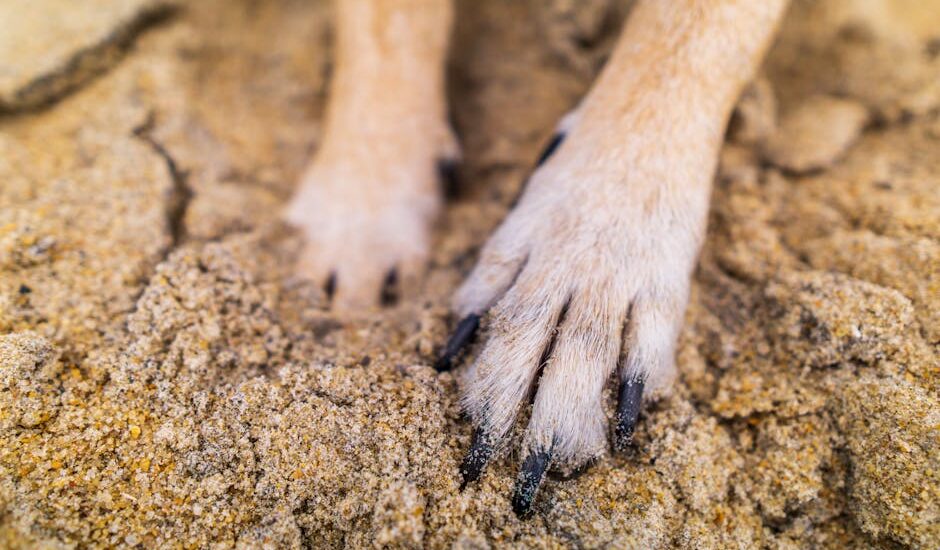
Dew claws are the fifth digit, positioned higher up the leg than the main toes. On the front legs, they’re attached by bone and tendon, functioning somewhat like a thumb. Not all dogs have rear dew claws, and when present, these are often less firmly attached. The main functions of front dew claws include:
- Traction and Grip: Dogs use dew claws while turning at speed, climbing out of water, or gripping objects like bones and toys. Watch a dog run tight circles or dig into soft ground—dew claws often make contact, helping stabilize the paw.
- Injury Prevention: Dew claws can help prevent leg twisting or splaying during sudden stops or sharp turns, particularly in active breeds. Their removal can, in some cases, increase the risk of wrist (carpal) injuries.
- Assisting with Tasks: Some working breeds use dew claws for specific functions, such as climbing, gripping, or even helping pull themselves onto icy surfaces.
Rear dew claws, by contrast, are usually more loosely attached and less functional. They’re often considered vestigial—leftovers from evolutionary ancestors—though some breeds have double rear dew claws as a breed standard.
Comparison: Dew Claw Types and Their Roles
| Type | Attachment | Functionality | Breed Relevance | Injury Risk |
|---|---|---|---|---|
| Front, Bony Dew Claw | Bone & Tendon | High (grip, stability) | Common in sporting, herding, giant breeds | Low if maintained |
| Rear, Loose Dew Claw | Skin only | Minimal | Some breeds (e.g. Great Pyrenees, Briard) | Moderate (snagging risk) |
| Double Rear Dew Claws | Skin or partial bone | Breed-specific function (e.g. traction in livestock guardians) | Required for certain breeds | Higher if not trimmed |
| No Dew Claws (removed) | — | None | Common in show or hunting lines | Possible increased wrist injury risk |
Breed-Specific Dew Claw Considerations
Breed standards and working history play a major role in whether dew claws are present—and functional. For example:
- Livestock Guardian Breeds: Breeds like the Great Pyrenees, Beauceron, and Briard are expected to have double rear dew claws. These aid in traction on rough terrain and are a requirement for breed conformation shows.
- Sporting and Herding Breeds: Retrievers, Border Collies, and Australian Shepherds use their front dew claws for agility, sharp turns, and retrieving. Removing them can impact performance, especially in canine sports.
- Toy and Companion Breeds: Dew claws may be less functional, but removal is often elective unless snagging or injury risk is high.
Breed clubs and the American Kennel Club provide guidance on dew claw standards and whether removal is appropriate for your dog’s breed and intended activities.
Life Stage: Puppies, Adults, and Seniors
Dew claw management—and the decision to remove—varies by age:
- Puppies: If removal is chosen (usually for rear dew claws or at breeder request), it’s typically done at 2-5 days old. This minimizes pain and recovery time. However, many breeders and veterinarians now recommend keeping well-attached front dew claws, especially in active or working breeds.
- Adults: Removal in adult dogs is a true surgical procedure, requiring anesthesia and sutures. It’s only recommended if the dew claw is injured, chronically problematic, or at high risk of snagging (e.g. in field dogs). Recovery is longer—typically 10-14 days with bandaging.
- Seniors: Older dogs may develop arthritis in their dew claws, or overgrown nails may curl into the pad, causing pain. Regular trimming is essential, as circulation and healing capacity decline with age.
Most veterinarians now advise against routine removal of healthy, functional dew claws except for specific medical or working reasons.
Common Dew Claw Injuries and How to Prevent Them
Dew claws are at risk for certain injuries, particularly if nails are left untrimmed:
- Torn or Broken Dew Claws: Most common in dogs with long, loosely attached dew claws. Can result in bleeding, pain, and infection.
- Ingrown Nails: Dew claw nails grow in a tight curve. Without regular trimming (every 3-4 weeks), they can curl into the pad and cause abscesses.
- Snagging: Dogs running through brush, fields, or indoors on carpets may catch their dew claws, particularly if they’re floppy or poorly attached.
The best prevention is regular nail trimming (every 3-4 weeks for most dogs), especially for dew claws, which don’t touch the ground and thus don’t wear down naturally. For dogs with high snag risk (field trial, agility, or farm work), trimming is even more critical. Some owners use protective booties for added safety—see available options.
Related Guides
- Our guide to How to Apply Flea Treatment on Dogs: A Step-by-Step Guide
- Deshedding Double-Coated Dogs: Tips for a Healthier, Happier Coat
- Our guide to What Causes Food Allergies in Dogs? Understanding the Key Triggers
- How Do Dogs Always Know When You’re Really Leaving the House?
- What Type of Brush Is Best for Shedding Dogs?
- Our guide to Dental Chews for Dogs, Reviewed
- Browse all Health & Wellness →
Why Some Vets Still Recommend Dew Claw Removal
Historically, dew claw removal was routine in many breeds, especially hunting and working dogs. The logic: reduce the risk of traumatic injury in the field. However, research and clinical experience now show that well-attached front dew claws rarely cause problems if properly maintained. Over-removal can even increase the risk of carpal (wrist) injury, as the dew claw helps stabilize the leg during high-speed maneuvers.
Rear dew claws, especially those attached only by skin, are more prone to injury and may be removed for safety. Always discuss your dog’s breed, activities, and lifestyle with your vet before making a decision. If you choose removal for a puppy, ensure the procedure is done by a qualified veterinarian at the appropriate age.
For working or performance dogs, keeping front dew claws is often the healthier, more functional choice.
Behavioral and Activity Considerations: When Dew Claws Matter Most
Dew claws become particularly important in dogs who:
- Participate in agility, flyball, or herding—where tight turns and sudden stops are frequent
- Work in snowy, icy, or rough terrain, where extra grip is valuable
- Regularly use their paws to hold or manipulate toys, chews, or prey
For couch-potato dogs or breeds with minimal dew claw function, the stakes are lower. But if your dog is highly active or has a working lineage, dew claws are not just cosmetic—they’re a tool. Removing them can reduce performance, traction, and even confidence in some dogs.
FAQ: Dew Claw Purpose and Management
How often should I trim my dog’s dew claws?
Most dogs need their dew claws trimmed every 3-4 weeks, as these nails don’t wear down naturally. Overgrown dew claws are at high risk for snagging and painful ingrowth, especially in seniors or dogs with thick coats that obscure the nail.
Are front dew claws more important than rear dew claws?
Yes—front dew claws are usually attached by bone and serve functional purposes like grip and stability. Rear dew claws are often loosely attached and less functional, though certain breeds require them for breed standard reasons.
What’s the recovery time for dew claw removal in adult dogs?
Adult dew claw removal is a surgical procedure with a typical recovery time of 10-14 days. Bandaging and restricted activity are required, and pain management may be necessary during healing.
Do all breeds require dew claws for show competition?
No—only specific breeds (e.g. Great Pyrenees, Briard, Beauceron) require double rear dew claws for conformation shows. Most breeds are not penalized for missing dew claws, though some breed clubs prefer them intact for functional or historical reasons.
Is there a difference in injury risk with dew claws vs. no dew claws?
Research suggests that dogs with well-attached front dew claws may have a reduced risk of wrist injuries, especially in active or working dogs. However, poorly attached or untrimmed dew claws (especially rear) are more prone to snagging and injury.
Dew claw removal vs. regular trimming—what’s better for active dogs?
For most active and working dogs, keeping well-attached front dew claws and maintaining them with regular trimming is safer and preserves function. Removal may be considered for rear dew claws or if injury risk is unusually high. Consult your vet for breed- and activity-specific advice.
Expert Resources and Further Reading
For detailed breed guidance and veterinary consensus, see the AKC’s expert overview of dew claws and the Wikipedia entry on dew claws. These sources provide further details on breed standards, surgical considerations, and the latest research.
Bottom Line: Should You Remove or Keep Dew Claws?
The purpose of dew claws in dogs is more than ornamental—they’re a functional, sometimes essential digit for many breeds and lifestyles. Unless your vet recommends removal for a specific medical or safety reason, keeping well-attached front dew claws and maintaining them with regular trimming is the healthiest option for most dogs. For working, sporting, or breed-standard dogs, dew claws are part of their natural toolkit. Make your decision based on your dog’s breed, activity level, and real-world needs—not outdated conventions.
Last updated: July 2026 · How we put guides together