7 min read
Is your dog’s shedding suddenly leaving clumps on the couch, or is that just par for the course for their breed and season? The line between normal and excessive shedding trips up even experienced owners, and for good reason: what counts as “excessive” depends on your dog’s genetics, age, health, and even the weather outside. The difference isn’t always about the amount of hair—it’s about patterns, timing, and the context of your dog’s overall health. Understanding what’s normal for your dog’s breed and life stage is the first step toward peace of mind—and spotting trouble early, if it’s there.
Why Some Dogs Seem to Shed Mountains—And Others Barely Lose a Hair
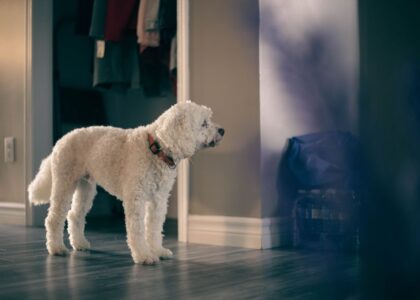
Shedding is a natural process for all dogs, but the volume and pattern vary dramatically by breed, coat type, and even individual genetics. Double-coated breeds like Huskies, Golden Retrievers, and German Shepherds can drop enough fur during seasonal sheds to fill a vacuum bag in days. Short-coated breeds such as Boxers or Boston Terriers shed more modestly, but often year-round. Then there are breeds genetically selected to shed very little—think Poodles and their mixes.
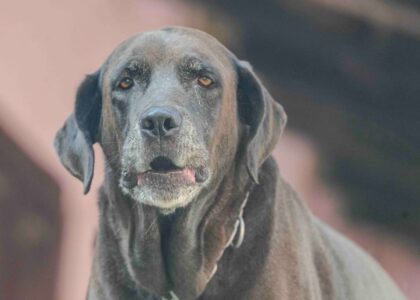
There’s also the matter of age: puppies often don’t shed much until their adult coats come in, usually around 4–6 months. Seniors, on the other hand, can experience changes in shedding as their skin health, hormone levels, and diet shift with age.
Normal Shedding vs Excessive Shedding: Key Differences at a Glance
| Shedding Profile | Typical Pattern | Breed Examples | Seasonality | Red Flag Signs |
|---|---|---|---|---|
| Low-shedding breeds | Minimal, year-round | Poodle mixes, Maltese, Shih Tzu | Stable | Bald spots, skin irritation |
| Seasonal heavy shedders | Large clumps 2x/year | Husky, Golden Retriever, Akita | Spring, fall | Any out-of-season surge |
| Year-round moderate shedders | Consistent, light to moderate | Labrador, Beagle, Jack Russell | Minor seasonal uptick | Sudden increase, patchiness |
| Excessive/pathological shedding | Noticeable thinning, patches | Any breed | Unrelated to season | Red, flaky, or inflamed skin |
What most guides miss about breed, age, and context
The biggest mistake? Assuming all “excess” hair loss is a problem. For double-coated breeds, a spring or fall “blowout” can look alarming but is entirely normal—provided the coat regrows evenly and the skin underneath looks healthy. Conversely, a low-shedding breed suddenly dropping clumps or developing bald spots is a true red flag, even if the absolute amount of hair is less than a Husky’s normal shed.
Age matters, too. Puppies often shift from a soft, sparse puppy coat to a thicker adult coat between 4–12 months, which can trigger a one-time heavy shed. Senior dogs may shed more if their skin health declines or if they develop hormonal imbalances. Always consider your dog’s baseline and history when assessing changes.
For a deep dive into breed-specific shedding expectations, the American Kennel Club maintains comprehensive breed profiles including coat and shedding traits.
When to worry: Shedding patterns that signal a problem
So what pushes shedding from “normal” into “excessive”? Watch for these warning signs:
- Bald patches: Shedding should be diffuse, not patchy.
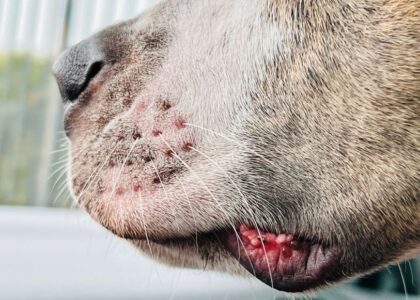
- Inflamed or scaly skin: Redness, sores, or thickened areas suggest a skin or internal health problem.
- Sudden surge in hair loss: If your dog’s shedding increases by 50% or more outside their usual schedule, investigate.
- Shedding accompanied by itching, licking, or odor: These point to allergies, parasites, or infection.
- Changes in appetite, energy, or weight: Systemic issues like thyroid problems can cause both hair loss and other symptoms.
If you see any of these, it’s time for a veterinary consult—not just a new brush.
for grooming tools that target heavy seasonal shedding versus everyday maintenance.
The spec almost nobody talks about: Amount matters less than pattern
Owners naturally focus on how much fur they’re sweeping up, but the more telling clue is where and how the hair is coming out. Normal shedding is evenly distributed; excessive shedding often creates uneven coat density, exposing skin or thinning certain areas. If you part the coat and see healthy, pink skin with even hair regrowth, you’re likely in the clear—even if you’re filling a lint roller daily.
On the other hand, if you’re seeing tufts missing behind the ears, on the belly, or around the tail, or if the skin looks irritated, that’s not just “normal shedding.”
Related Guides
- Shedding Brushes That Actually Work: Top Picks for Every Dog Coat
- What Type of Brush Is Best for Shedding Dogs?
- Electric vs Manual Nail Clippers: Which Is Better for Your Dog?
- Grain-Free vs. Grain-Inclusive Dog Food: Which Is Better for Your Dog?
- Dog Pheromone Diffusers That Actually Work: What to Know Before You Buy
- Leather Leash vs Nylon Leash: Which Is Right for Your Dog?
- Browse all Health & Wellness →
What causes excessive shedding—beyond just the wrong brush or shampoo
True excessive shedding is rarely solved by a new grooming tool alone. The most common underlying causes include:
- Parasites: Fleas, mites, and lice can all trigger hair loss.
- Allergies: Food sensitivities, pollen, dust, or chemicals in household cleaners or grooming products.
- Hormonal imbalances: Thyroid dysfunction and adrenal disease disrupt hair growth cycles.
- Stress or anxiety: Major life changes, boredom, or even separation anxiety can cause over-grooming and shedding.
- Poor nutrition: Diets low in protein, omega-3s, or certain vitamins can dull the coat and increase shedding. Look for foods with at least 22% protein for adults and 8% fat, unless otherwise advised by your vet.
- Infection: Bacterial or fungal infections can cause localized or diffuse hair loss, often with odor or discharge.
For a science-backed overview of the causes and management of canine hair loss, see the VCA Hospitals educational resources.
on grooming tools and supplements designed for coat support, but remember: no product replaces a vet visit for true excessive shedding.
Quick decision tree
- If your dog is a double-coated breed and it’s spring or fall: Heavy shedding is likely normal—use a de-shedding tool rated for undercoats up to 40mm thick.
- If you see bald spots, redness, or sores: Skip new brushes—book a vet appointment immediately.
- If your dog is a low-shedding breed but starts leaving hair everywhere: Consider recent changes in food, stress, or cleaning products.
- If shedding is steady but manageable: A basic slicker brush (pins 15-20mm) and regular vacuuming should suffice.
- If you’re unsure and the shedding is new or escalating: Document changes and consult your vet before trying supplements or specialty shampoos.
on grooming and cleaning solutions tailored to your dog’s shedding profile.
FAQ: Normal Shedding vs Excessive Shedding—What Owners Really Ask
How much shedding is normal for a Labrador Retriever?
Labradors are moderate to heavy year-round shedders, with seasonal spikes in spring and fall. It’s normal to fill a hand with fur during a weekly brushing, but bald spots or skin irritation are not typical and warrant veterinary attention.
Can puppies have excessive shedding, or is it always normal?
Puppies often shed their soft baby coat around 4–6 months as adult fur comes in, which can look dramatic. However, patchy loss or skin changes in puppies can signal parasites or nutritional issues and should be checked by a vet.
Is it normal for shedding to increase after moving or a major life change?
Yes, stress can trigger temporary increases in shedding for many dogs, especially sensitive breeds. If the shedding resolves within 2–4 weeks and no bald patches appear, it’s likely a stress response. Persistent or worsening hair loss, however, deserves professional evaluation.
How long does a typical seasonal shed last?
For double-coated breeds, a seasonal “blowout” usually lasts 2–4 weeks. Daily brushing during this period can help manage hair buildup and support healthy regrowth. If heavy shedding continues beyond a month or new symptoms appear, consult your vet.
Normal shedding vs excessive shedding—how do I tell the difference for my breed?
The best baseline is your own dog’s past patterns and the typical expectations for their breed. Sudden increases, patchiness, or changes in skin health are the key warning signs. For low-shedding breeds, any significant uptick in hair loss is a concern, while for high-shedding breeds, only changes in pattern or coat quality signal trouble.
Will changing food or supplements fix excessive shedding?
If a diet is nutritionally inadequate (especially low in protein or essential fatty acids), upgrading to a food with at least 22% protein and added omega-3s may improve coat health. However, most cases of sudden or severe shedding are due to medical issues or external factors, not just nutrition. Consult your vet if dietary changes don’t resolve the problem within 4–6 weeks.
What kind of brush or tool works best for heavy shedders?
Undercoat rakes with teeth 25–40mm long are ideal for double-coated breeds during heavy sheds. Slicker brushes (15–20mm pins) work well for everyday maintenance on most other breeds. Always match the tool’s length and density to your dog’s coat type for best results.
Why the right answer depends on your dog—not a one-size-fits-all chart
There’s no universal “normal” when it comes to dog shedding. What’s routine for a Husky is an emergency for a Poodle. The key is knowing your own dog’s coat, keeping tabs on changes, and not hesitating to seek help if you spot red flags. A quality grooming routine, a diet that meets or exceeds 22% protein, and a keen eye on your dog’s skin health go much further than any miracle brush or supplement. When in doubt, trust your instincts—and your vet.
Last updated: June 2026 · About our research