8 min read
Disclosure: As an Amazon Associate and eBay Partner Network publisher, we earn from qualifying purchases. This doesn’t affect what we recommend or how we describe it.
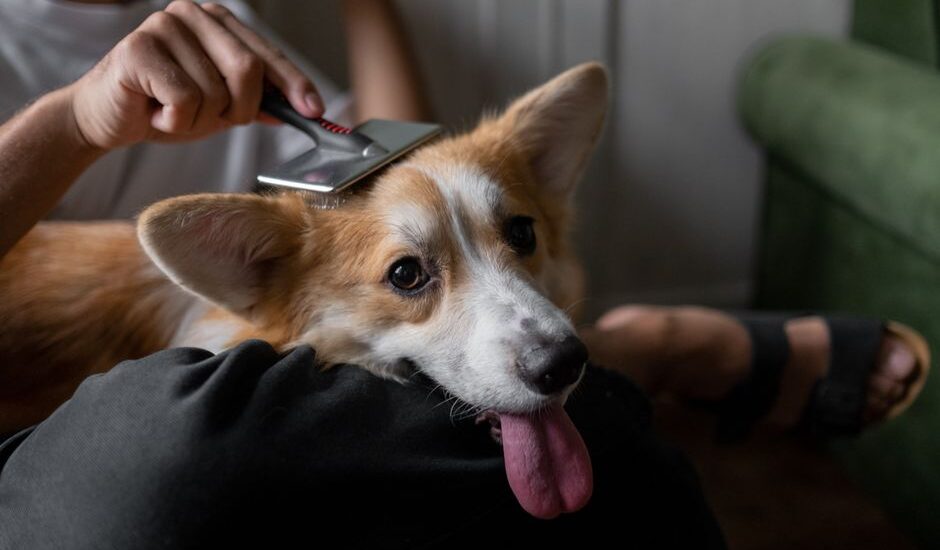
Most guides on brushing double-coated dogs claim it’s all about finding the “right brush.” But the biggest mistake isn’t tool choice—it’s skipping the prep, using the wrong technique for your dog’s coat, or brushing too aggressively and damaging the undercoat. Double-coated breeds aren’t all the same, and the difference between a plush, healthy coat and a patchy, matted mess often comes down to understanding the specific needs of your dog’s fur type, age, and tolerance. Here’s what truly matters when brushing a double-coated dog, and how to avoid the common pitfalls.
Spot the difference between double and single coats—why it matters
It’s not just about thickness. Double-coated dogs have two distinct layers: a soft, insulating undercoat and a tougher, weather-resistant topcoat. Breeds like Huskies, Golden Retrievers, Border Collies, and Newfoundlands all have double coats, but the density, length, and texture vary widely. This means a brush or technique perfect for a Sheltie could actually damage a Malamute’s coat.
Single-coated breeds (like Poodles or Boxers) don’t shed the same way and typically don’t develop the dense mats that double-coated breeds do. Using single-coat tools or routines on a double-coated dog can leave you with unmanageable shedding, skin irritation, or even patchy fur regrowth.
Choose the right grooming tools for your double-coated dog
The best brush setup isn’t one-size-fits-all. Your dog’s breed, age, and coat condition all influence what works. Here’s a breakdown of tool types, what they’re best for, and how they compare:
| Tool Type | Best For | Coat Length/Type | Shedding Control | Ease of Use |
|---|---|---|---|---|
| Slicker Brush | Removing surface tangles, finishing | Medium/Long, wavy or straight | Moderate | Lightweight, good for daily use |
| Undercoat Rake | De-shedding, reaching dense undercoat | Thick, heavy-shedding breeds | High (removes loose undercoat) | Requires some technique |
| Pin Brush | Gentle detangling, sensitive dogs | Long, flowing coats (e.g. Collies) | Low (minimal de-shedding) | Easy, minimal risk of skin irritation |
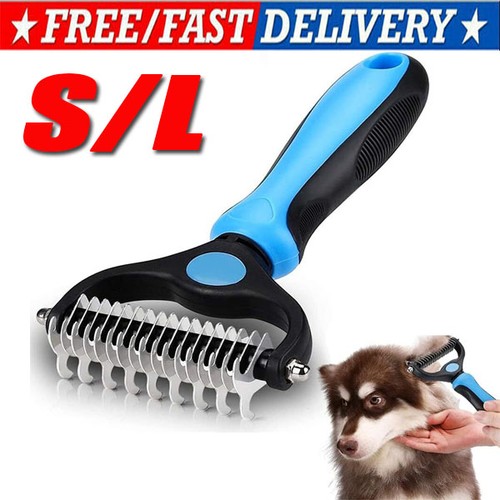
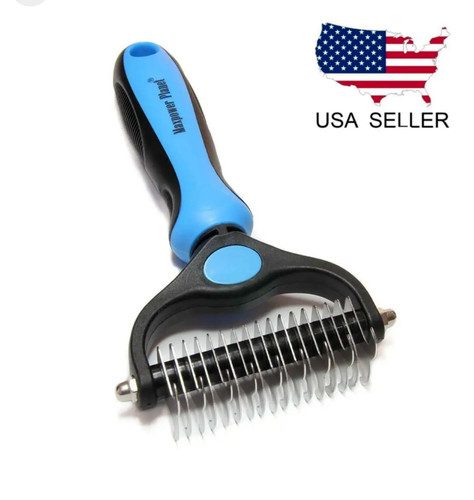
| De-matting Comb | Breaking up tough mats, neglected coats | All lengths, but especially long coats | Case-by-case (not for general use) | Requires care, best for spot-treating |
| Shedding Blade | Heavy seasonal shedding, large dogs | Short/medium, dense double coats | Very high (quick removal) | Best outdoors, can be messy |
| Grooming Glove | Puppies, nervous or touch-sensitive dogs | All coat types, but limited depth | Low (surface only) | Very easy, gentle |
Understand how age and breed affect your brushing routine
Not all double coats are created equal. A Samoyed’s fluffy, open coat mats differently from the tight, water-resistant undercoat of a Labrador. Puppies and seniors also need special care—puppy coats are softer and tangle easily, while seniors may have thinner skin and patchier fur.
- Puppies: Start with a soft pin brush or grooming glove. Sessions should be short—under 5 minutes—to build positive associations. Don’t use an undercoat rake until adult coat comes in (usually 6-12 months).
- Adults: Most double-coated breeds benefit from a combination of undercoat rake (for loose fur) and slicker brush (for finishing). During peak shedding (spring/fall), increase frequency to 3-4 times per week.
- Seniors: Switch to softer brushes if skin thins with age. Check for bald spots or sores before each session—these need a vet’s attention, not more brushing.
Breed-specific resources (like the American Kennel Club) offer detailed coat care advice for individual breeds—worth consulting if you’re unsure how dense your dog’s undercoat should be or how often they should be blown out.
How to brush a double-coated dog: step-by-step guide
- Prepare your dog and workspace. Choose a non-slip surface and have treats on hand. For heavy shedders, groom outdoors or cover floors—expect a lot of hair.
- Check for mats and tangles by hand. Gently run your fingers through the coat, especially behind ears, under “armpits,” and around the tail. If you find a mat, use a de-matting comb or your fingers to break it up before brushing.
- Start with an undercoat rake. Work in the direction of hair growth, using short, gentle strokes. Focus on areas with thick undercoat (back, haunches, chest). Don’t dig into the skin—keep the rake parallel to avoid scratching.
- Switch to a slicker or pin brush for finishing. Go over the entire coat to smooth out any remaining tangles and distribute natural oils. Use lighter pressure on sensitive areas like the belly and legs.
- Check your progress. Look for even coat texture and minimal loose hair. If the brush comes away clean and the coat looks fluffy (not patchy), you’re done.
- Reward your dog and clean up. Offer a treat and praise. Remove shed fur from brushes and vacuum up loose hair promptly—double-coated dog hair can clog vacuums if left to build up.
If your dog is nervous or fidgety, keep sessions short—5-10 minutes at first, gradually increasing as they tolerate more handling. Compare today’s deals on grooming tool sets designed for double-coated breeds if you’re looking to upgrade your kit.
Prevent the most common double-coat brushing mistakes
Even experienced owners make missteps. Here’s what to avoid:
- Brushing a dry, dirty coat: Dirt and debris cause friction, leading to breakage. Always brush after a light mist with water or after bathing and drying thoroughly.
- Skipping regular sessions: Waiting weeks between brushes allows mats to form, especially during seasonal shedding. For heavy-shedding breeds, twice-weekly is the minimum during spring/fall.
- Using too much pressure: Undercoat rakes and slickers have sharp pins—pressing too hard can scratch skin or break guard hairs, leading to patchy regrowth.
- Ignoring sensitive spots: Behind the ears, under the collar, and the tail base are mat hotspots. Always check these areas first.
- Shaving a double-coated dog: Unless medically necessary (vet-directed), never shave a double-coated breed. The undercoat insulates against heat and cold—removing it can cause overheating, sunburn, and improper regrowth.
If you’re unsure about technique or notice skin irritation, consult a professional groomer experienced with your dog’s breed. For more on grooming safety and coat health, the VCA Hospitals site offers solid, vet-reviewed advice.
Related Guides
Beginner’s pre-purchase checklist
- Measure your dog’s body length and coat depth—some rakes have fixed pin lengths (e.g. 1.5–2.5 cm); too short won’t reach the undercoat, too long can scratch skin.
- Check your dog’s skin for existing irritation or hot spots before buying new tools—skip sharp metal rakes if there’s any redness.
- Assess your own hand size and grip strength—some brushes are only comfortable for small or large hands, and heavy-duty rakes can fatigue you quickly in a single session.
- Note your dog’s tolerance for touch—nervous or young dogs may need a soft grooming glove or pin brush to start, not a firm slicker or rake.
- Identify your dog’s shedding season—heavy shedders (e.g. Huskies, Akitas) need more aggressive tools during spring/fall; others (like Aussies) shed more evenly year-round.
- Ensure you have a way to clean up—double-coated fur clogs drains and vacuums easily. Consider a grooming mat or designated area if you don’t want hair everywhere.
- Set aside time for regular grooming—5–20 minutes, 2–3 times a week is typical for most double-coated breeds outside peak shedding. Schedule it like you would a walk.
FAQ: Real-world questions about brushing double-coated dogs
How often should you brush a double-coated dog during shedding season?
For most double-coated breeds, aim for 3–4 sessions per week during peak shedding (spring and fall). This helps remove loose undercoat before it mats and keeps your home cleaner. Outside of shedding season, 1–2 times weekly usually suffices.
Undercoat rake vs slicker brush—which removes more hair?
Undercoat rakes are designed to penetrate deep and pull out loose undercoat, making them more effective for heavy shedders. Slicker brushes work best as a finishing tool to smooth the topcoat and catch surface tangles, but won’t remove as much dense fur as a rake.
Can brushing too hard damage a double coat?
Yes. Using excessive pressure, especially with metal pins, can break guard hairs or irritate the skin. Always use gentle, short strokes and let the tool do the work instead of forcing it through tangles.
How long does a full brushing session take for a large double-coated dog?
Plan on 15–30 minutes for a thorough session, especially for breeds like Newfoundlands or Malamutes with dense coats. If you’re dealing with mats or heavy shedding, it can take even longer. For puppies or anxious dogs, start with 5-minute sessions and gradually increase.
What should you do if your dog’s coat looks patchy after brushing?
Patchiness can result from uneven pressure, over-brushing in one spot, or underlying skin issues. Take a break, check for irritation, and switch to a softer brush if needed. If the problem persists, consult a groomer or vet to rule out medical causes.
Are de-matting combs safe for all double-coated breeds?
De-matting combs are best reserved for spot-treating tough mats. Used incorrectly, they can cut fur or scratch the skin, especially on thin-coated or senior dogs. Always use gentle pressure and work slowly—never force the tool through a mat.
Is professional grooming necessary for double-coated dogs?
While many owners manage routine brushing at home, professional grooming every 3–6 months can help with deep de-shedding and catching problems early. It’s especially helpful for breeds with exceptionally dense or long double coats, or if you struggle with mats despite regular brushing. See what’s available for pro grooming tool kits if you want to try salon-level results at home.
Brushing a double-coated dog: the bottom line
The right tools are important, but understanding your dog’s coat type, age, and tolerance is what sets up successful grooming. Avoid shortcuts—never skip checking for mats, and always use the gentlest tool that gets the job done. Regular, gentle brushing keeps a double coat healthy, reduces shedding, and builds trust with your dog. If you’re ready to upgrade your grooming routine, check current prices on double-coat brush kits and make regular sessions part of your weekly care. Your dog—and your furniture—will thank you.


Last updated: June 2026 · How we put guides together