
Disclosure: As an Amazon Associate and eBay Partner Network publisher, we earn from qualifying purchases. This doesn’t affect what we recommend or how we describe it.
Most dog owners looking for a remote training collar are wrestling with a tough reality: their dog’s recall, barking, or boundary issues aren’t improving with treats and positive reinforcement alone. The biggest mistake? Assuming all remote collars are the same, or that any collar will be safe and effective for their dog’s temperament, age, or breed. In truth, the difference between a well-chosen collar and a poor fit can mean the difference between progress and frustration — or even harm. Here’s what actually matters when choosing a remote training collar, and how to match the right option to your dog’s real needs.
Remote Training Collars: What They Actually Do (and Don’t)
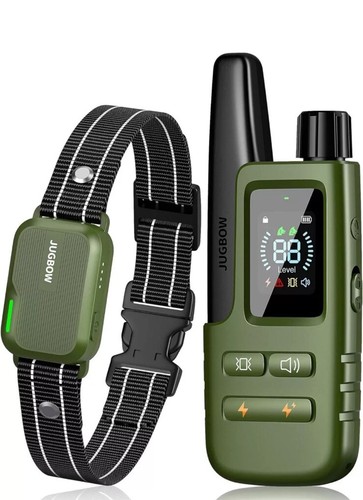
Remote training collars, often called e-collars or electronic collars, give you control over your dog’s behavior at a distance by delivering a signal—typically a vibration, tone, or static stimulation—via a receiver on the collar. The goal isn’t punishment, but to interrupt unwanted behavior and reinforce recall or commands when other methods fail. Despite myths, a well-designed collar used at appropriate settings does not hurt your dog; the sensation is startling, not painful, and most dogs respond to the lowest settings or even just vibration or sound.
However, not all collars are created equal. Cheaper units may have inconsistent signals, unreliable range, or poor fit—leading to confusion, anxiety, or even injury. The best remote training collars offer precise control, safety features, and adaptability for your dog’s size, coat, and temperament.
Comparison Table: Which Remote Training Collar Profile Fits Your Situation?
| Profile | Best For | Stimulation Types | Range | Receiver Size | Battery Life | Water Resistance | Key Safety Features |
|---|---|---|---|---|---|---|---|
| Puppy-Appropriate Collar | Puppies 6+ months, small breeds | Vibration, Tone (no static) | 300 ft | Under 1 oz, fits necks 8-14″ | 7 days | IPX5 (splash-proof) | Auto-shutoff after 10s, lockout button |
| General-Purpose Everyday Option | Medium/large adult dogs, home & park use | Vibration, Tone, Static (1-16 levels) | 1,000 ft | 2 oz, fits necks 12-24″ | 15 days | IPX7 (fully waterproof) | Adjustable contact points, safety lock |
| Long-Range Training Collar | Hunting, hiking, large properties | Vibration, Tone, Static (1-99 levels) | 3,300 ft (1 km) | 3 oz, fits necks 14-28″ | 20 days | IPX8 (submersible) | Signal confirmation, auto-timer cutoff |
| Stubborn or High-Drive Dog Option | Strong-willed breeds, recall-proof dogs | Vibration, Tone, Static (1-127 levels) | 2,000 ft | 3 oz, fits necks 14-24″ | 10 days | IPX7 | Progressive correction, safety lockout |
| Budget-Friendly Pick | Occasional use, smaller yards | Vibration, Tone, Static (1-8 levels) | 600 ft | 2 oz, fits necks 10-20″ | 5 days | IPX5 | Manual shutoff only |
| Multi-Dog System | Households with 2-3 dogs | Vibration, Tone, Static (1-16 levels) | 1,200 ft | 2 oz per receiver | 12 days | IPX7 | Separate channel controls |
How to Match a Remote Training Collar to Your Dog’s Real Needs
Choosing the right collar isn’t just about your budget or the number of features. Consider your dog’s age, size, coat type, and behavioral profile. For example, a puppy or toy breed should never wear a collar intended for a 70-pound working dog: the receiver will be too heavy, and even low stimulation may be overwhelming. Many owners overlook neck circumference—an ill-fitting collar won’t deliver reliable contact, making training inconsistent and frustrating.
Breed matters too. Thick-coated breeds (like Huskies or German Shepherds) often need longer contact points to reach the skin, while short-haired dogs may need rubber covers to avoid irritation. For stubborn breeds, look for collars with a wide range of static levels (over 50), so you can fine-tune the lowest effective setting. For dogs with sound sensitivity, a collar with strong vibration and tone options (and the ability to disable static) is crucial.
Before you buy, measure your dog’s neck with a flexible tape measure—most collars fit a range (e.g., 12-24″), but a perfect fit is essential for safety and signal reliability. See what’s available in the right size range for your breed.
Safety Features That Actually Make a Difference
Not all “safety” features are equal, and some are little more than marketing. The most important protections to look for:
- Auto-shutoff: Prevents overstimulation if the remote button is accidentally held—look for collars that cut off after 10-15 seconds.
- Safety lockout: Lets you “lock” the remote when not in use, so you don’t accidentally trigger a correction in your pocket.
- Adjustable contact points: Essential for thick-coated dogs; prevents burns or poor contact.
- Progressive correction: Some collars escalate only if your dog ignores lower signals, reducing unnecessary stimulation.
- Signal confirmation: Especially important for long-range or multi-dog systems—confirms the collar actually received the command.
Never use a collar without a clear, tested auto-shutoff or on a dog under 6 months old. Even with all the right features, remote collars are tools—not solutions by themselves. They should always be paired with clear training protocols and positive reinforcement.
Breed and Life Stage: Not All Dogs Respond the Same
It’s a myth that remote collars are “one size fits all.” Here’s where it often goes wrong:
- Puppies: Never use static correction under 6 months. Opt for vibration/tone-only collars, and always start on the lowest setting.
- Small breeds (under 15 lbs): Use only lightweight receivers (under 1 oz) and avoid strong static levels. Fit is critical: loose collars can cause chafing or misfire.
- Thick-coated breeds: Use longer contact points and check skin daily for irritation. Static may need to be set higher to be effective, but always test on the lowest setting first.
- High-drive working breeds: Consider collars with broad stimulation ranges and robust waterproofing (IPX7 or higher) for outdoor training.
- Senior dogs: Many seniors have sensitive skin or hearing—use only vibration/tone, and check for any discomfort after short sessions.
If you have a multi-dog household, choose a system with individual channel controls so you can tailor stimulation to each dog’s needs. Compare today’s deals on multi-dog compatible collars to avoid safety mishaps.
Related Guides
Common Owner Mistakes with Remote Training Collars
Even the best collar can lead to setbacks if used incorrectly. The most frequent mistakes I see:
- Skipping the fit check: A collar that’s too loose won’t deliver consistent contact, while one that’s too tight can cause pressure sores.
- Starting at high settings: Always begin with the lowest possible stimulation and only increase if your dog doesn’t respond.
- Using the collar as a punishment: Remote collars are interrupters, not punishers—never use them in anger or as retribution.
- Failing to pair with positive reinforcement: Collars work best when paired with rewards and clear cues, not as a standalone fix.
- Leaving the collar on unsupervised: Remove the collar when not actively training to prevent accidental activation or skin irritation.
For best results, work with a qualified trainer who understands remote collar conditioning and can help you avoid these pitfalls. View available options for trainer-recommended collars that prioritize safety and fit.
Frequently Asked Questions About Remote Training Collars
Are remote training collars safe for all dogs?
When used correctly and fitted properly, remote training collars are generally safe for healthy adult dogs. However, they are not suitable for puppies under 6 months, very small breeds (under 8 lbs), or dogs with certain medical conditions. Always consult a professional trainer before starting.
Can a remote collar replace traditional training?
No. A remote collar is a training aid, not a replacement for foundational obedience, socialization, or positive reinforcement. It should be part of a broader training plan, not the only tool you rely on.
Will a remote collar make my dog fearful or aggressive?
Used at the right settings and paired with positive reinforcement, remote collars do not cause fear or aggression in most dogs. Problems arise from excessive stimulation, poor timing, or using the collar as punishment rather than a cue.
How do I know what level to use?
Always start at the lowest setting and increase gradually until your dog shows a mild acknowledgment (ear twitch, head turn) but no distress. The correct level is the lowest one your dog notices and responds to—never higher.
How long can a dog wear a remote training collar?
Limit wear to active training sessions (typically 10-30 minutes), and never leave the collar on for more than 2 hours at a stretch. Prolonged wear can cause skin irritation or pressure sores, especially on short-haired dogs.
What’s the difference between vibration, tone, and static?
Vibration and tone are non-aversive cues that interrupt behavior and can be used as warnings or attention-getters. Static stimulation delivers a mild electrical pulse—startle, not pain—used only when the other options aren’t effective. Many dogs respond to vibration or tone alone.
Choosing the Right Remote Training Collar: My Take
If you’re serious about recall, off-leash control, or curbing persistent behaviors, a remote training collar can be a game-changer—if you match the collar to your dog’s size, breed, and temperament, and use it as part of a positive training plan. Skip cheap, generic collars with vague safety claims, and invest in a profile that fits your real needs. For most owners, a general-purpose collar with adjustable static, vibration, and tone, plus reliable waterproofing (IPX7+), covers the widest range of scenarios. But if you have a puppy, stubborn breed, or multi-dog household, tailor your choice accordingly. The right collar won’t just improve your dog’s behavior—it’ll give you confidence and peace of mind during every training session.