
Disclosure: As an Amazon Associate and eBay Partner Network publisher, we earn from qualifying purchases. This doesn’t affect what we recommend or how we describe it.
7 min read
The hardest thing about choosing a joint care supplement for your dog isn’t just decoding ingredient lists—it’s cutting through the marketing to find what actually matters for your dog’s breed, age, and lifestyle. Not all joint supplements are created equal, and what works for a 90-pound senior German Shepherd is rarely the best fit for a 12-pound, high-energy terrier with early-stage stiffness. The right choice depends on more than just glucosamine content or price tag. Here’s how real dog owners can make sense of the crowded joint care market, with specific details that actually help you compare. For more detail, see FDA animal veterinary section.
When Joint Care Supplements Make Sense—And When They Don’t
Joint supplements are some of the most commonly recommended dog products, but not every dog needs them. Most evidence supports their use for dogs showing early signs of stiffness, reduced mobility, or breeds genetically prone to joint issues (like Labradors, German Shepherds, and Golden Retrievers). Puppies with rapidly growing joints, agility dogs, and seniors over 7 also often benefit from targeted support. But for truly healthy, young dogs with no risk factors, supplements may offer little measurable improvement. Always consult your vet before starting any new supplement, especially if your dog is on medication or has a diagnosed health condition. For more detail, see NCBI PubMed Central.
Need it this week? Amazon’s selection of new units is hard to beat for shipping speed.
View on Amazon →How the Main Joint Care Options Compare in Real-World Use
| Buying Profile | Best For | Key Ingredients | Form Factor | Daily Dose Size | Palatability | Approximate Price Range |
|---|---|---|---|---|---|---|
| The high-strength formula for large breeds | Dogs over 60 lbs, seniors, breeds prone to hip dysplasia | Glucosamine (900+ mg), Chondroitin (350+ mg), MSM, Omega-3s | Large chewable tablet | 1-2 tablets | Moderate (some dogs dislike taste) | £35–£60/month |
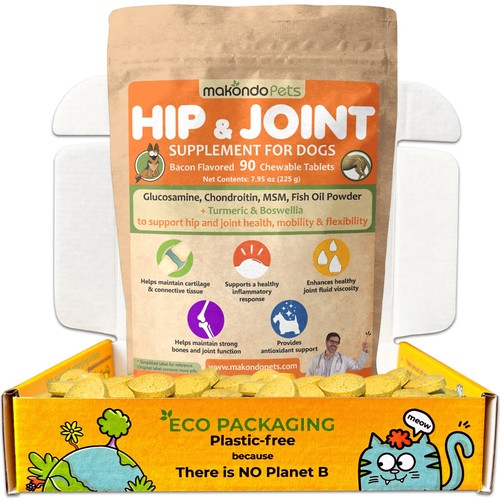
| The soft chew for picky eaters | Small breeds, dogs that refuse tablets | Glucosamine (250–400 mg), Chondroitin, Green-lipped mussel | Soft, flavored chew | 1–3 chews | High (often bacon/chicken flavor) | £20–£40/month |
| The powder for food toppers | Multi-dog households, dogs with allergies | Unflavored glucosamine, MSM, turmeric | Powder (mix into food) | 1–2 scoops | Variable (depends on food) | £25–£45/month |
| The all-natural fish oil blend | Dogs with sensitive stomachs, skin/coat issues | Omega-3s (EPA/DHA), Vitamin E, minimal additives | Liquid pump or capsule | 1–2 pumps/capsules | Moderate (fishy but palatable for most) | £30–£55/month |
| The budget joint chew | Owners seeking basic daily support | Lower-dose glucosamine (200–300 mg), minimal extras | Small chew or tablet | 1–2 chews/tablets | Moderate | £12–£22/month |
What Vets Actually Look For in Joint Care Products
Veterinary consensus is clear on a few non-negotiables: effective joint support requires therapeutic doses of active ingredients. Look for products providing at least 500 mg glucosamine and 200 mg chondroitin per 25 kg (55 lbs) of body weight daily. MSM, omega-3 fatty acids (EPA + DHA > 100 mg per 10 kg), and green-lipped mussel are also commonly cited for additional anti-inflammatory benefit, though evidence for turmeric and CBD is still emerging.
Tablets and chews should be manufactured to pharmaceutical standards, with batch testing for purity—a detail rarely advertised but worth asking about. Avoid supplements with artificial colors, excessive fillers, or sugar, especially for overweight or diabetic dogs.
Compare today’s dealsBreed and Life Stage: What Changes for Joint Care Needs?
Giant breeds like Mastiffs, Danes, and Newfoundlands almost always require higher-dose formulas, often starting as young as 2–3 years old. Retrievers, Shepherds, and Bulldogs benefit from early intervention due to genetic risk of hip and elbow dysplasia. Small breeds (under 20 lbs) may do best with lower-dose chews or powders—overdosing is possible with “one size fits all” products, so always check the dosing chart.
Puppies and young adults rarely need daily joint support unless there’s a family history of orthopedic disease or rapid growth. Seniors (7+ years) are the primary group for whom joint care makes a visible difference, especially when paired with weight management and regular low-impact exercise.
Soft Chews, Powders, or Tablets: Which Form Works Best?
Palatability is a real-world dealbreaker. Soft chews are the top pick for picky eaters and small breeds, with acceptance rates above 80% in most owner surveys. Tablets deliver higher doses in a single serving, but some dogs refuse them outright. Powders mix easily with wet food but can be off-putting for dogs on dry kibble. Liquids or oils are ideal for dogs with food allergies or who need added omega-3s, but dosing can be messy.
See what’s availableCommon Mistakes Dog Owners Make with Joint Supplements
- Not dosing by weight: Giving a “one chew fits all” dose to a 90-lb dog or a 10-lb dog leads to under- or overdosing. Always check the product’s dosing chart and measure by your dog’s actual weight.
- Expecting instant results: Most joint supplements take 4–6 weeks for visible improvement. If you don’t see any change after 8 weeks, consult your vet about alternative options.
- Mixing multiple supplements: Doubling up on different products can lead to excess intake of glucosamine, chondroitin, or MSM—potentially causing stomach upset or, rarely, toxicity. Stick to one product unless specifically advised by a vet.
- Ignoring underlying conditions: Supplements can’t fix severe arthritis, torn ligaments, or advanced hip dysplasia. If your dog is limping, in pain, or reluctant to move, seek veterinary advice before starting any supplement.
Related Guides
How to Assess Ingredient Quality—Beyond the Marketing
Not all glucosamine or chondroitin is created equal. Look for products specifying “sulfate” rather than “hydrochloride”—the former is the form most studied in dogs. Green-lipped mussel should be listed by weight (ideally 100+ mg per dose) and sourced from New Zealand. MSM (methylsulfonylmethane) should be at least 100 mg per serving for anti-inflammatory benefit. Omega-3s should be listed as EPA/DHA content, not just “fish oil.”
If a supplement lists “proprietary blend” without clear milligram amounts for each ingredient, it’s impossible to verify efficacy. Transparency is a good sign: reputable manufacturers provide batch numbers, purity certificates, and clear dosing by weight.
View available optionsJoint Care for Multi-Dog Households and Special Diets
Managing joint health in multi-dog homes means finding a product that can be dosed flexibly for dogs of different sizes. Powders and liquids are the most practical for this, as you can measure out the right amount for each dog’s weight. For dogs on restricted diets (allergies, pancreatitis, kidney disease), look for formulas free of chicken, beef, wheat, or added salt. Always review the ingredient list with your vet if your dog has a health condition that requires dietary management.
Need it this week? Amazon’s selection of new units is hard to beat for shipping speed.
Compare Options on Amazon →FAQs: Real Owner Questions About Joint Care for Dogs
How long does it take to see results from a joint supplement?
Most owners notice changes in mobility, stiffness, or willingness to exercise within 4–6 weeks. Some dogs, especially seniors or those with advanced arthritis, may take up to 8 weeks. If there’s no improvement after two months, consult your veterinarian about alternative therapies or diagnostics.
Can I give a joint supplement with other medications?
Most joint supplements are compatible with common medications, but always check with your vet—especially if your dog takes anti-inflammatories, steroids, or has a history of liver or kidney issues. Never combine multiple supplements with overlapping ingredients unless specifically directed.
Are there side effects to watch for?
Mild gastrointestinal upset (soft stools, vomiting) is the most common side effect, usually from overdosing or switching products too quickly. Rarely, allergic reactions may occur if your dog is sensitive to shellfish (a common glucosamine source) or added flavorings.
Do puppies need joint supplements?
Most healthy puppies don’t need daily joint support unless they’re a giant breed, have a family history of orthopedic disease, or are growing very rapidly. Over-supplementing can be counterproductive for young, healthy joints. Always consult your breeder or veterinarian before starting a supplement in puppies.
What’s the difference between glucosamine and chondroitin?
Glucosamine helps build and maintain cartilage, while chondroitin inhibits enzymes that break down cartilage in the joints. Most effective supplements combine both at therapeutic doses for best results. Look for products specifying the amount of each per serving.
Should I choose a natural ingredient formula or a pharmaceutical-grade supplement?
Natural ingredient formulas (like green-lipped mussel, turmeric, or fish oil) can provide anti-inflammatory support, but pharmaceutical-grade supplements offer standardized dosing and are better studied in clinical trials. The best choice depends on your dog’s specific needs, palatability, and any dietary restrictions.
Bottom Line: What Matters Most When Choosing Joint Care for Your Dog?
The best joint care supplement isn’t the one with the fanciest packaging—it’s the one that matches your dog’s weight, age, and breed risk, delivers active ingredients at proven doses, and fits your routine. For large breeds, prioritize high-strength tablets or powders you can accurately dose. For small or picky eaters, soft chews with clear milligram counts are worth the extra cost. Always check dosing by weight, give the supplement time to work, and consult your vet if you’re unsure. Investing in quality joint care can add years of comfortable movement to your dog’s life—choose carefully, and don’t be afraid to ask for independent lab results or ingredient sourcing info before you buy.