Disclosure: As an Amazon Associate and eBay Partner Network publisher, we earn from qualifying purchases. This doesn’t affect what we recommend or how we describe it.
Clipping your dog’s coat with your own hair clippers might seem like a harmless shortcut, but the reality is much more nuanced — and often risky. The blades, motors, and even the heat output of human clippers are designed for fundamentally different hair types than canine fur. That mismatch isn’t just about aesthetics: it can mean uneven results, increased risk of injury, and extra stress for your dog. If you’re weighing up dog grooming clippers versus human clippers, the single most important thing to know is this: dogs’ coats and skin require specialized tools, and the wrong choice can make the grooming process harder for both you and your dog.
What Actually Sets Dog Clippers Apart from Human Clippers?
The differences between dog grooming clippers and human clippers go far beyond marketing. Each is engineered for a specific type of hair (or fur), skin sensitivity, and usage duration. Let’s break down the core mechanical and practical distinctions.
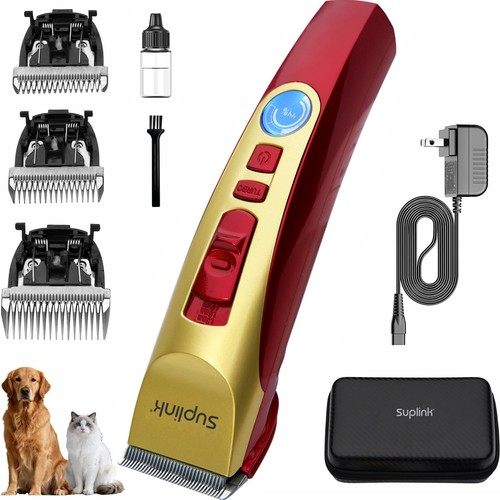
- Blade Type & Tooth Spacing: Dog clipper blades typically have wider teeth and are designed to handle double coats, thick undercoats, and even mats. Human clipper blades are finer and closer together, optimized for single-strand, softer human hair.
- Motor Power & Cooling: Dog clippers often run at lower speeds but higher torque, allowing them to push through dense fur without overheating or pulling. Human clippers prioritize speed for quick haircuts, but can bog down or overheat quickly when faced with a thick coat.
- Noise & Vibration: Canine clippers are engineered to be quieter (often under 60 decibels) and vibrate less, to minimize stress for noise-sensitive dogs. Human clippers are rarely designed with animal anxiety in mind.
- Blade Material: Many dog clipper blades are carbon steel or ceramic, chosen for durability and cooler operation. Human clipper blades often use stainless steel, which can heat up more quickly.
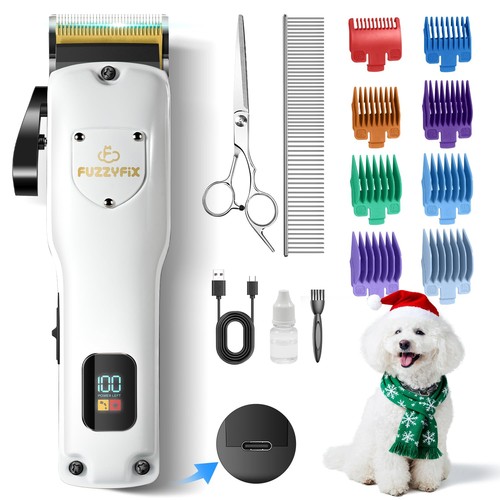
- Attachment Combs & Adjustability: Dog clipper kits usually include longer guard combs (up to 25mm or more) to accommodate longer fur, while human sets rarely go beyond 12mm.
Direct Comparison: Dog Grooming Clippers vs Human Clippers
| Decision Factor | Dog Grooming Clippers | Human Clippers |
|---|---|---|
| Blade Tooth Spacing | Wider (1.5–4mm gaps) | Narrow (0.8–2mm gaps) |
| Motor Torque | High torque, low RPM (2,400–3,000 SPM) | Lower torque, high RPM (up to 7,200 RPM) |
| Noise Output | Typically 50–65 dB | Usually 65–80 dB |
| Heat Buildup | Blades made to stay cooler longer | Blades heat up quickly on thick fur |
| Attachment Comb Range | 3mm–25mm (sometimes longer) | 3mm–12mm |
| Suitable for Double Coats | Yes — engineered for dense, layered fur | No — can jam or tear hair |
| Skin Safety | Rounded tips, skin-safe blades | Sharper, less forgiving on thin skin |
| Typical Price Range | $40–$200 (depending on power and features) | $20–$80 (basic models) |
| Intended Use Duration | 30–60 minutes continuous use | 10–20 minutes (overheats on fur) |
| Maintenance Needs | Frequent oiling, blade changes for thick coats | Less maintenance for human hair, struggles with fur buildup |
Breed and Coat Type: Why One Size Does Not Fit All
The right grooming tool depends heavily on your dog’s breed and coat. Consider these specifics before reaching for any clippers:
- Double-Coated Breeds (e.g., Goldens, Huskies): These dogs have a dense undercoat that will jam or dull human clippers almost immediately. Dog clippers with high-torque motors and wide-tooth blades are critical.
- Curly or Woolly Coats (e.g., Poodles, Bichons): Tight curls require sharp, specialized blades to avoid snagging and uneven cuts. Human clippers will struggle to get through the curl, often pulling painfully.
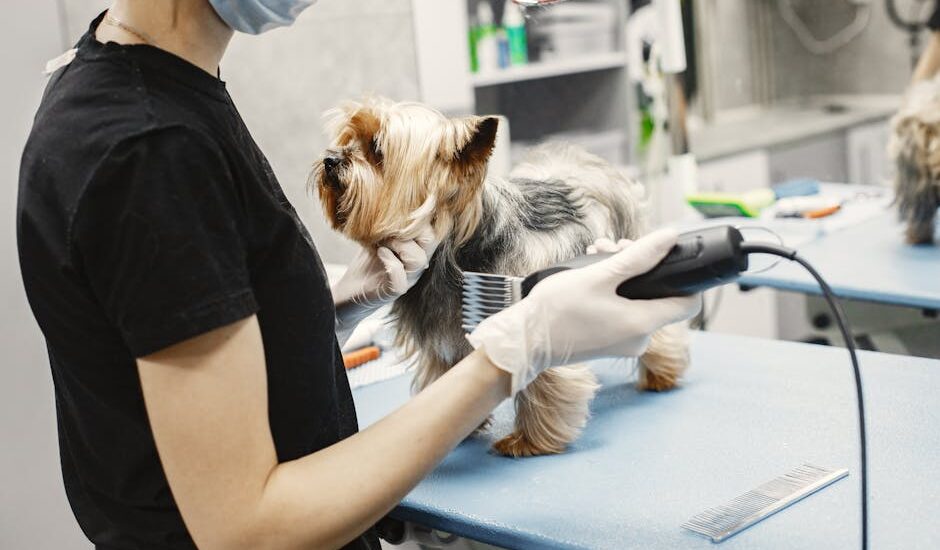
- Silky or Fine Coats (e.g., Yorkies, Maltese): While human clippers can sometimes get through, they lack the safety features for thin, sensitive skin and may cause nicks or irritation.
- Short-Coated Breeds (e.g., Boxers, Beagles): These dogs rarely need full-body clipping, but if you do trim, dog clippers offer better control and reduced risk of skin injury.
- Mixed Breeds: Always check the densest part of your dog’s coat — if the undercoat is thick, default to dog clippers.
For multi-dog households or those with both small and large breeds, investing in a professional-grade dog clipper makes sense. Compare today’s deals to find a model that matches your needs and coat types.
Safety Issues: The Real Risks of Using Human Clippers on Dogs
It’s tempting to use what you have on hand, but human clippers can cause very real harm to your dog. Here are the most common — and preventable — risks:
- Blade Burns: Human clippers heat up quickly when faced with thick fur. A blade hot enough to burn human skin can burn a dog in just a few minutes, especially in sensitive areas like the groin or underarms.
- Skin Nicks and Cuts: Human clippers lack the rounded, skin-safe blade tips found on quality dog clippers. Thin-skinned breeds and puppies are especially vulnerable.
- Hair Pulling and Mat Tearing: Human clipper blades can’t handle mats or dense undercoats — instead, they pull or rip fur, causing pain and stress.
- Noise-Related Anxiety: Dogs often fear the higher-pitched whine and vibration of human clippers, making grooming sessions longer and more stressful for both of you.
For safety’s sake, always check blade temperature every few minutes and pause if the clipper feels hot. If you plan to groom at home regularly, see what’s available in dog-specific clippers designed to minimize these risks.
Age and Life Stage: Puppies, Adults, and Seniors Need Different Approaches
Puppies and seniors have thinner, more delicate skin than healthy adult dogs. Human clippers, with sharper edges and higher speeds, increase the risk of accidental injury — especially if your dog fidgets. Puppy-safe clippers typically run at lower speeds (under 2,500 SPM) and feature extra-rounded blades.
Seniors may have skin tags, warts, or thin patches that human clippers can easily snag. Always use a dog-specific clipper with adjustable blade guards (ideally 6mm or longer for safety) for older dogs. For puppies, look for models labeled as “quiet” (under 60 dB) and “low vibration” to reduce fear and wriggling. Check current prices for age-appropriate clipper options.
Common Owner Mistakes When Choosing Clippers
- Assuming All Clippers Are the Same: The biggest mistake is thinking any clipper will do. Using the wrong tool can mean a traumatic grooming experience or even a vet visit.
- Ignoring Maintenance: Dog clippers need regular oiling and cleaning, especially after tackling mats or thick coats. Human clippers clog quickly with fur and can overheat in minutes.
- Skipping Practice Runs: Many owners jump straight into a full groom. Always start with a small patch and monitor your dog’s reaction — especially with a new tool.
- Not Checking Blade Heat: It’s easy to forget how quickly blades get hot. Touch the blade to your wrist every 5–10 minutes and pause to cool if needed.
- Using Incorrect Combs or Guards: Human clipper guards rarely go long enough for dogs. Using a too-short guard can mean bald patches or skin exposure, especially risky outdoors.
FAQ: Dog Grooming Clippers vs Human Clippers
Can you safely use human hair clippers on dogs?
Human clippers can cut dog hair in a pinch, but they’re not designed for canine skin or fur thickness. Most will overheat, jam, or risk cutting your dog’s skin. For any regular grooming, a dog-specific clipper is much safer and more effective.
Why do dog clipper blades look so different from human blades?
Dog clipper blades have wider teeth to handle thick, layered fur and undercoats. This design reduces pulling and prevents jamming, which is common if you use human blades on a dense or matted dog coat.
Is there any scenario where human clippers are okay for dogs?
In rare cases, for a small trim on a very short-haired, calm dog, human clippers might work — but always use a long guard and check the blade temperature frequently. Never use them on double-coated, curly, or matted breeds.
How can you tell if your clipper is too hot for your dog?
Touch the blade to the inside of your wrist every few minutes. If it feels uncomfortably warm to you, it’s too hot for your dog’s skin and could cause burns. Always pause to cool down when in doubt.
What guard length should you use for most dog coats?
Most home grooms use 6mm to 19mm guards for a safe, even trim. Longer guards help prevent accidental nicks and keep the coat thick enough for sun and insect protection. Human clipper guards rarely come in these longer sizes.
What if your dog is terrified of the clippers?
Look for dog clippers specifically labeled as “ultra-quiet” (under 60 dB) and “low vibration.” Take time to desensitize your dog by introducing the sound and feel gradually, with plenty of treats and breaks.
Bottom Line: Which Clipper Should You Actually Use?
While grabbing your own hair clippers might seem convenient, they’re simply not built for the job — especially if your dog has a thick, curly, or double-layered coat. Investing in a dedicated dog grooming clipper isn’t just about a better haircut; it’s about safety, comfort, and reducing stress for both of you. For most owners, the right dog clipper pays for itself in fewer grooming mishaps and happier, healthier dogs. Choose the right tool for your breed and experience level — and you’ll notice the difference every time you groom.