Disclosure: As an Amazon Associate and eBay Partner Network publisher, we earn from qualifying purchases. This doesn’t affect what we recommend or how we describe it.
7 min read
Training a dog who turns up their nose at the usual treats is more common than most owners realise — and it’s not just a matter of “picky eating.” The single most effective way to motivate an uninterested pup during training is to elevate the value of your rewards. That means rethinking what counts as a “treat,” matching your dog’s preferences with the right textures, smells, and even temperatures, and making reward delivery a game in itself. Before you buy another bag of bland biscuits, let’s dig into why some dogs ignore treats, what actually works, and how to tailor your approach to your dog’s real motivations.
Why Some Dogs Ignore Training Treats — And What To Do About It
Not every dog is food-motivated, especially in distracting environments or when under stress. Some breeds (think sighthounds, many guardian types, some terriers) are famously less responsive to generic treats. Age, health, and even time of day can all impact appetite. But the biggest factor is often treat value: a dry, low-odor biscuit is no match for a squirrel or a new scent on the breeze.
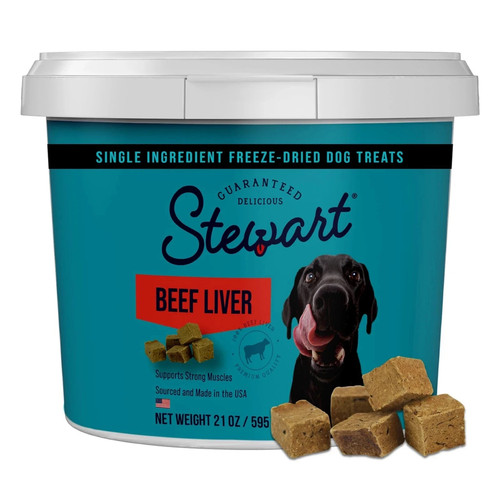
For training an uninterested pup, “high-value” means treats that are moist, meaty, and intensely smelly — think single-ingredient freeze-dried proteins, lightly cooked meats, or soft commercial treats with a protein content above 25%. Texture matters too: soft or chewy treats release aroma faster and are easier for quick reward delivery.
If you want the newest model, free returns, and quick shipping, Amazon is the easiest place to compare.
See on Amazon →Comparison Table: Training Treats for Uninterested Dogs
| Treat Profile | Best For | Protein Source | Texture | Portion Size | Mess Level | Price Range |
|---|---|---|---|---|---|---|
| Single-ingredient freeze-dried meat | Allergy-prone, picky eaters | Beef, chicken, fish, duck, rabbit | Light, crumbly | ~1g per piece | Low | $$$ |
| Soft, commercial “training bits” (high protein) | Fast-paced training, puppies | Poultry, lamb, beef blends | Moist, chewy | 0.5–1g per piece | Medium (may be oily) | $$ |
| Lightly cooked or boiled meat (home prepped) | Dogs with food sensitivities, ultra-picky | Chicken breast, turkey, lean beef | Tender, moist | Cut to 0.5–1cm cubes | High (can be greasy) | $ |
| Dehydrated fish skin or organ strips | Strong-smelling reward, small breeds | Fish, liver, heart | Crunchy, flaky | ~0.5g per piece | Moderate (fishy odor lingers) | $$ |
| Tube-based “lick” rewards | Dogs with dental issues, seniors | Poultry, fish, cheese blends | Pasty, spreadable | ~1cm squeeze per reward | Low (portable, minimal crumbs) | $$$ |
How to Identify What Actually Motivates Your Dog
Before you overhaul your treat stash, run a “preference test.” Present your dog with three or four treat types simultaneously (e.g., a piece of kibble, a soft commercial treat, a bit of chicken, a smear of cheese). Watch which one they go for first and whether they’ll work for it multiple times. For uninterested pups, the winner is usually the smelliest, moistest, or most novel item.
Be aware: Some dogs are more motivated by play, access to a favorite toy, or even praise or petting than food. For these dogs, pairing a small high-value treat with a quick game or chase can kickstart engagement. If your dog consistently ignores all food, check with your vet to rule out health issues.
Breed and Life Stage: Why One Treat Does Not Fit All
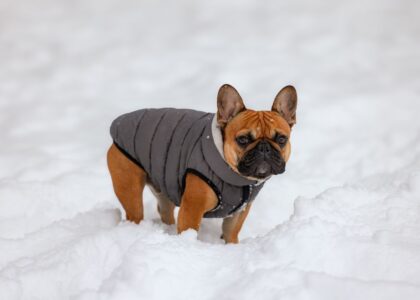
Breed tendencies can make or break your treat success. Toy breeds and brachycephalic dogs (French Bulldogs, Pugs) often struggle with large or hard treats; aim for pieces 0.5–1cm in size, soft enough to squish between your fingers. Sighthounds, livestock guardians, and some terriers may ignore most dry treats but respond to rich, novel proteins (rabbit, liver, fish).
For puppies, soft, small treats (under 1g each, less than 1cm diameter) are critical for both safety and rapid-fire reward. Seniors or dogs with dental issues do best with pastes or moist, easily chewed bits. For all ages: avoid treats with artificial sweeteners (especially xylitol), and keep sodium below 1% for regular use.
Common Mistakes That Kill Treat Motivation
- Using the same treat every day: Dogs habituate quickly. Rotate at least two high-value options per session.
- Overfeeding at mealtimes: If your dog is full, even the best treat won’t motivate them. Train before meals for best results.
- Too-large pieces: Treats over 1g can slow training and fill up a small dog fast. For a 20lb dog, aim for 30–40 tiny treats per session, not 10 big ones.
- Ignoring environment: What works at home may flop in the park. Up the treat value when distractions increase.
Smart Ways to Boost Treat Appeal for the Disinterested
Don’t just swap treats — change how you deliver them. Warm up meat treats for a few seconds to amplify aroma. Use a treat pouch to keep rewards fresh and at-hand. For ultra-picky dogs, try “jackpotting”: reward a breakthrough behaviour with a handful of different treats at once. Smearable treats (from tubes or tiny jars) can be licked from your finger or a silicone spoon — perfect for nervous or senior dogs.
Still not biting? Try training with real-life rewards: let your dog sniff a favorite spot, chase a ball, or greet another dog as their “treat.” Food isn’t the only currency.
Related Guides
Safety and Ingredient Notes for Sensitive Dogs
Allergy-prone or sensitive dogs need limited-ingredient treats — ideally single protein, no wheat, soy, or artificial flavors. Always check for xylitol (toxic to dogs), and avoid treats with garlic or onion powder. For small or flat-faced breeds, test treat size by seeing if it can be squished between your fingers; if not, cut it down. For dogs with kidney or heart conditions, limit sodium and avoid heavily smoked or cured meats.
For home-prepped options, plain boiled chicken, turkey, or lean beef works well. Cut into 0.5–1cm cubes for easy portioning. Store extras in the fridge and use within three days to prevent spoilage.
Real-World Use Cases: Training Scenarios and Treat Choices
- Recall in a park full of distractions: Use a jackpot of three treat types — e.g., freeze-dried liver, a soft meaty bit, and a lick of tube paste. Rotate to keep interest high.
- Crate training a nervous rescue: Try a smearable treat on a lick mat or spoon. The licking action soothes nerves and keeps the dog engaged longer than a single bite.
- Puppy socialisation class: Bring at least two treat options: a soft, easy-to-swallow bit and a higher-value “surprise” (like cooked meat) for breakthroughs.
- Senior dog with dental issues: Stick to spreadable or rehydrated soft treats. Avoid crunchy or jerky-style options.
Need a new stash? Check current prices on allergy-friendly, high-protein training treats, or view available options for soft, puppy-safe picks.
If you want the newest model, free returns, and quick shipping, Amazon is the easiest place to compare.
Compare Options on Amazon →FAQ: What Owners Ask About Training Treats for Uninterested Dogs
What treats work best for dogs who ignore food during training?
Moist, high-protein, and strong-smelling treats (like freeze-dried liver, boiled chicken, or soft commercial training bits) consistently outperform dry biscuits. For some dogs, novelty is key — rotating between two or three options keeps motivation higher.
How small should training treats be for a disinterested dog?
Keep treats under 1g per piece (about the size of a pea or fingernail) for most dogs. For toy breeds or puppies, cut treats to 0.5cm cubes. The goal is a quick swallow so you can keep the training pace fast and engaging.
Can I use human food as training treats?
Yes, but stick to plain, cooked meats or cheese without added salt, seasoning, or sweeteners. Avoid anything containing onions, garlic, or xylitol. Home-prepped options like boiled chicken or turkey are often irresistible to picky dogs.
What if my dog still won’t take treats during training?
If your dog ignores even high-value treats, try training before meals, in a low-distraction environment, and test non-food rewards like play or access to a favorite spot. Persistent disinterest may warrant a vet check to rule out health issues.
Are there treats safe for dogs with allergies or sensitive stomachs?
Single-ingredient freeze-dried meats or baked treats with limited ingredients (no wheat, soy, or artificial flavors) are best for sensitive dogs. Always read labels for allergens and avoid treats with long ingredient lists.
How do I keep treats fresh and appealing during long training sessions?
Use a treat pouch with a seal or zipper to keep moisture in and odors contained. For home-prepped treats, bring only what you’ll use in one session and store extras in a cooler or fridge. Rotate treat types if your dog loses interest mid-session.
Final Take: The Reward Has to Be Worth It
If your dog seems uninterested in training treats, it’s a signal — not a failure. The right reward is out there, and it’s rarely a generic dry biscuit. For most “picky” dogs, success comes down to using smaller, smellier, and more novel treats, delivered in creative ways. Don’t be afraid to experiment with texture, temperature, and even non-food rewards. Training isn’t about bribery — it’s about finding what your dog truly values. Once you do, progress follows.
Ready to upgrade your treat game? Compare today’s deals on high-value training options and see what gets your dog’s attention for real.