Disclosure: As an Amazon Associate and eBay Partner Network publisher, we earn from qualifying purchases. This doesn’t affect what we recommend or how we describe it.
Most dogs don’t need a winter coat—until suddenly, they do. Breeds that romp happily through snowdrifts may start shivering on a damp, windy walk. Seniors who once shrugged off the cold can struggle with joint stiffness or chills as they age. The most important thing to know: the “right” winter coat for your dog depends on their body shape, coat type, and how they actually behave in cold weather. There’s no universal best—only the best fit for your dog’s real needs.
Which Dogs Actually Need a Winter Coat?
Some dogs are built for the cold, but many are not. Short-haired breeds like Greyhounds, Whippets, and Boxers lack the dense undercoat that insulates Huskies or Malamutes. Small breeds—including Chihuahuas, Italian Greyhounds, and Miniature Pinschers—lose body heat rapidly. Seniors and puppies, regardless of breed, are more susceptible to cold stress because they can’t regulate body temperature as efficiently. And even heavy-coated breeds may need protection if they’re elderly, shaved for surgery, or have medical conditions affecting their fur or metabolism.
The best way to judge: watch your dog. Shivering, reluctance to walk, holding up paws, or seeking shelter are all signs they’d benefit from extra warmth. If you’re layering up, and your dog is huddled by the door, it’s time to consider a coat.
Winter Dog Coat Comparison Table: What Matters Most
| Coat Profile | Best For | Coverage | Water Resistance | Ease of Fit | Sizes Available | Notable Tradeoff |
|---|---|---|---|---|---|---|
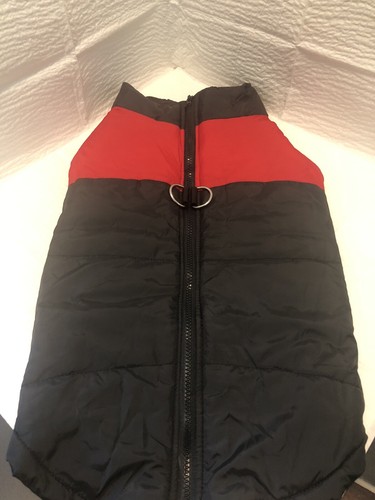
| All-weather waterproof shell | Active dogs in wet, windy climates | Neck to tail, chest coverage | Rated to 5,000mm+ water resistance | Adjustable straps, wide neck opening | XXS–XXL (10–36” back length) | May be less insulated for deep cold |
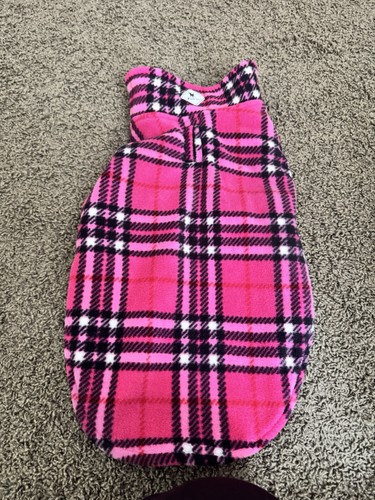
| Fleece-lined insulated parka | Short-haired, low-fat, or senior dogs | Full torso, some with belly wrap | Water-repellent outer, not waterproof | Velcro closures, step-in design | XS–XL (8–28” back length) | Bulkier, may restrict leg movement |
| Lightweight softshell | Active breeds, mild winters | Back and sides, minimal belly | Showerproof (rated to 500–1000mm) | Slip-on/stretch panels | S–L (14–28” back length) | Less warmth in sub-freezing temps |
| Full-body snowsuit | Tiny breeds, hairless, extreme cold | Neck to tail + all four legs | Water-repellent, windproof | Snaps/zipper, fitted legs | XXS–M (8–22” back length) | Can be tricky to put on, sizing critical |
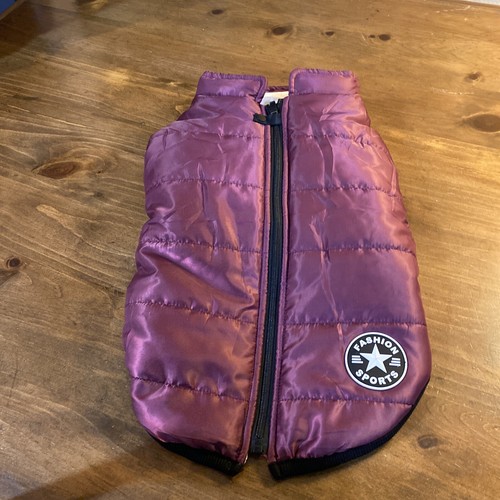
| Budget quilted vest | Occasional use, fast-growing puppies | Back only, some chest | Minimal—good for dry cold | Simple Velcro straps | XS–XL (10–26” back length) | Limited durability, basic warmth |
Key Fit Challenges: Sizing for Deep-Chested, Broad, and Tiny Dogs
Dog coats aren’t sized like human jackets, and one of the most common frustrations is poor fit—especially for breeds that don’t fit the “average” mold. Sight hounds (Greyhounds, Whippets, Salukis) have deep chests and narrow waists, so coats designed for “medium” dogs may gape at the belly or ride up at the neck. Broad-chested breeds like French Bulldogs, Pit Bulls, and Corgis need extra room in the shoulders, but too much length can leave the back end exposed.
Toy breeds and puppies often fall between standard sizes. Look for coats offering at least a 2” adjustable range at the chest, and back lengths in 2” increments (not just S/M/L). For breeds with thick necks or big heads (like Bulldogs or Boston Terriers), prioritize coats with wide or stretchy neck openings.
Material Choices: What Actually Keeps Dogs Warm (And Dry)
Insulation alone doesn’t guarantee warmth. For wet or snowy climates, a waterproof membrane (rated at least 5,000mm) is critical—otherwise, even thick fleece will soak through in minutes. Look for coats with a windproof outer layer and insulation measured in GSM (grams per square meter): 100–200 GSM is good for mild cold, while 300 GSM+ is better for sub-freezing temps or low-activity dogs.
Fleece linings add softness but can trap moisture; in slushy conditions, a technical synthetic lining wicks better. For dogs with sensitive skin or allergies, avoid wool blends unless labeled hypoallergenic. Reflective trim is a must for early morning or evening walks—at least 1” wide for real visibility.
Life Stage and Health: Puppies, Seniors, and Dogs with Medical Needs
Puppies lose heat quickly and outgrow coats fast. Choose budget-friendly options with simple closures—avoid anything with buttons or zippers that could be chewed. For seniors, look for lightweight coats with minimal lifting or twisting required to put on. Arthritis or mobility issues make step-in or pullover designs difficult; wide, side-fastening coats reduce stress on stiff joints.
Dogs recovering from surgery or with short-term fur loss need coats that don’t chafe incisions or irritate skin. Prioritize soft, seamless linings and avoid tight elastic around the belly. Always check with your vet before covering wounds or surgical sites for long periods.
Related Guides
Owner Mistakes That Lead to Poor Coat Performance
- Wrong size: A coat that’s too loose lets in cold air; too tight restricts movement and can cause rubbing. Always measure back length (from base of neck to tail), chest girth, and neck circumference with a soft tape—don’t guess by weight alone.
- Ignoring water resistance: Even an “insulated” coat becomes useless when soaked. For wet climates, ensure the coat is rated for at least 5,000mm water resistance, not just “water-repellent.”
- Skipping belly coverage: Snow and slush chill dogs from below. Coats with a belly panel (at least 4” wide for small breeds, 8”+ for medium/large) make a real difference.
- Neglecting leash access: If you walk with a harness, check that the coat has a reinforced leash portal—or you’ll be forced to choose between warmth and control.
- Leaving coats on indoors: Dogs can overheat quickly inside. Remove coats as soon as you’re back home, especially for thick-coated breeds or seniors.
Breed-Specific Notes: Not Every Dog Needs the Same Protection
Double-coated breeds (Huskies, Newfoundlands, Akitas) rarely need more than a waterproof shell, and can overheat in thick insulation. Short-haired and hairless breeds should always have chest and belly coverage, not just a back panel. Dachshunds and Corgis need coats cut for long bodies with shorter leg openings; otherwise, the coat will slide and expose their torso. For sighthounds, look for coats labeled “deep-chested” or with an adjustable tuck at the waist. Bulldogs and barrel-chested breeds benefit from stretchy fabrics or wide Velcro panels to avoid pinching or gaping.
Weather Realities: When a Coat Is Essential (And When It’s Not)
As a rule of thumb, small or short-haired dogs benefit from a coat when temperatures drop below 45°F (7°C), especially if it’s windy or wet. For larger, active breeds with natural insulation, a coat is typically only needed in freezing or sub-freezing weather, or for dogs with health challenges. Watch for behavioral cues: shivering, tucking up, or seeking shelter indicate your dog is too cold, regardless of breed.
Choosing the Right Coat for City, Suburb, or Trail
Urban dogs encounter road salt, slush, and busy sidewalks—look for coats with washable, abrasion-resistant outers and reflective trim (at least 1” wide). Suburban and rural dogs may spend more time off-leash or in deep snow, so prioritize waterproofing and secure closures (snaps or wide Velcro) that won’t pop open mid-play. For hiking, a lightweight, packable shell with a harness portal and quick-dry lining is ideal. Dogs that ride in cars need coats that don’t interfere with seat belts or harnesses—avoid bulky buckles or oversized collars.
FAQs: Winter Dog Coats—What Owners Really Ask
How do I measure my dog for a winter coat?
Use a soft tape to measure from the base of the neck (where the collar sits) to the base of the tail for back length. Measure the widest part of the chest and the circumference of the neck. Compare these numbers to the manufacturer’s sizing chart—don’t rely on weight alone. If your dog is between sizes, size up for comfort, but ensure adjustable straps or panels provide a snug fit.
Do dogs with thick fur ever need a winter coat?
Most double-coated breeds do not need heavy insulation, but may benefit from a waterproof shell in wet or windy weather. Seniors, dogs with health issues, or those recovering from surgery may still need extra warmth. Watch for signs of discomfort, like shivering or reluctance to walk, even in breeds known for cold tolerance.
What’s the difference between water-resistant and waterproof dog coats?
Water-resistant coats repel light moisture but can soak through in heavy rain or snow. Waterproof coats have a membrane or treatment rated (often in mm) to withstand significant exposure—look for 5,000mm+ for true waterproofing. For wet climates, waterproofing is essential for keeping your dog dry and warm.
How do I get my dog used to wearing a coat?
Start by letting your dog sniff and inspect the coat. Reward calm behavior, then try draping it over their back without fastening. Gradually introduce closures, using treats and praise. Practice indoors before venturing outside. Most dogs adjust quickly if the coat fits well and doesn’t restrict movement.
Can dogs overheat in winter coats?
Yes—especially in mild weather, indoors, or during vigorous exercise. Remove the coat as soon as you return inside, and watch for panting or restlessness as signs your dog is too warm. For active breeds, choose lightweight, breathable coats unless you’re in deep cold.
Are there coats for dogs who wear harnesses?
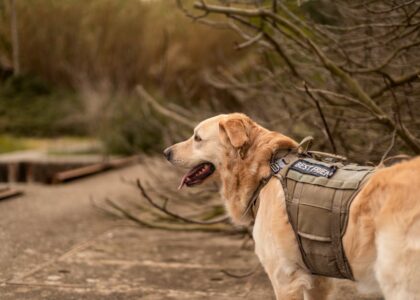
Many modern dog coats include a reinforced leash portal on the back, designed to align with harness rings. Check the placement: it should be at least 1” wide and reinforced to prevent tearing. If your dog wears a front-clip harness, you may need a coat with a chest opening or a custom solution.
What to Expect to Pay: Price Ranges by Coat Type
Budget quilted vests start around $20–$30, but may not last more than a season—ideal for fast-growing puppies or occasional use. Technical waterproof shells and insulated parkas typically range from $50 to $120, depending on features like reflective trim, leash portals, and adjustable fit. Full-body snowsuits for tiny or hairless breeds can cost $60–$100, but offer unmatched protection in extreme cold. For most owners, a mid-range insulated coat with water resistance and good fit delivers the best value. Compare today’s deals to find options that fit your dog and your climate.
Smart Buying: Where to Find Reliable Winter Dog Coats
Look for retailers that provide detailed sizing charts (with multiple measurements, not just weight), clear water resistance ratings, and real-world photos of the coat on different breeds. User reviews are especially helpful for spotting fit quirks—if owners of deep-chested or barrel-bodied dogs report sizing issues, take note. Try to buy from shops that allow easy returns or exchanges, as even the most careful measurements sometimes miss the mark. See what’s available to compare fit, features, and price before you commit.
The Bottom Line: No One-Size-Fits-All—Choose for Your Dog, Not the Label
Don’t settle for the first cute or popular coat you see. The best winter coat for your dog is the one that fits their body, suits your weather, and keeps them moving comfortably on every cold walk. Prioritize fit, coverage, and real waterproofing over flashy details. If you’re still unsure, start with a mid-weight, adjustable coat that covers the chest and belly—then fine-tune as you see how your dog responds. Check current prices to find a coat that meets your dog’s needs and your peace of mind.