Disclosure: As an Amazon Associate and eBay Partner Network publisher, we earn from qualifying purchases. This doesn’t affect what we recommend or how we describe it.
7 min read
The tactical dog collar market is flooded with gear that looks tough, but not every collar can stand up to real-world use—especially if you’re working with a strong, reactive, or escape-prone dog. The most important thing to know before buying: not all “tactical” collars are created equal, and the wrong pick can be heavy, restrictive, or even unsafe for your dog’s breed or lifestyle. The best tactical collars blend military-grade durability with canine comfort and handler control—but the details matter. Here’s how the top options actually compare when you look past the marketing.
How Tactical Dog Collars Differ From Standard Collars
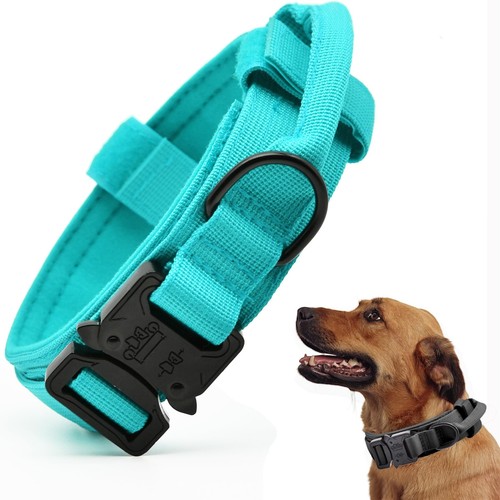
At first glance, a tactical collar looks like a beefed-up version of a standard flat collar. The difference goes deeper: tactical collars use materials like 1000D nylon webbing or full-grain leather, with hardware rated to withstand at least 1,000 pounds of force. Many feature integrated handles, double or triple row stitching, and metal buckles (not plastic quick-releases) for extra security.
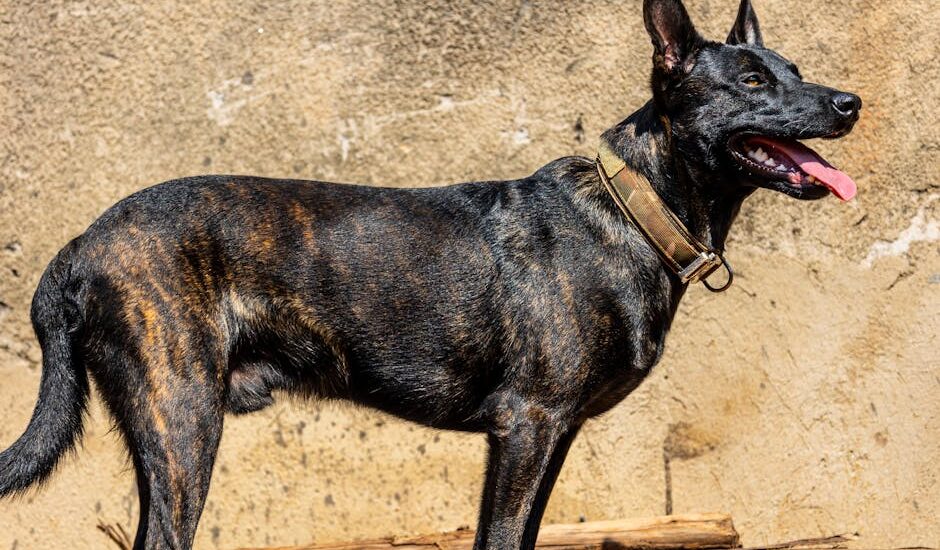
These collars are designed for working dogs—think military, police, or protection breeds—but they’ve become popular with owners of large, strong, or high-drive dogs who need extra control. Unlike prong or choke collars, tactical collars distribute pressure more evenly and offer a “panic handle” for critical moments. They’re overkill for a teacup poodle, but a game-changer for anyone walking a 90-pound Malinois who can slip a basic collar in seconds.
When you want a brand-new unit with the full warranty, Amazon’s catalogue is usually the deepest.
Find on Amazon →Comparison Table: Tactical Dog Collar Categories Side by Side
| Buying Profile | Best For | Width | Buckle Type | Handle | Material Spec | Size Range | Price Range |
|---|---|---|---|---|---|---|---|
| Heavy-Duty Escape-Proof | Strong, escape-prone breeds | 2” | Metal double-locking | Reinforced padded | 1000D nylon, stainless steel | 15-28” neck | £35–£60 |
| Comfort-Focused Everyday | Active pets, daily walks | 1.5” | Metal quick-release | Low-profile/none | Soft nylon, neoprene lining | 12-26” neck | £22–£40 |
| Puppy/Small Breed Tactical | Puppies, small breeds | 1” | Plastic/metal hybrid | No | Lightweight nylon | 8-16” neck | £15–£28 |
| Training & Working Dog | Protection, agility, K9 | 1.5-2” | Metal cobra-style | Rigid handle | Ballistic nylon, brass | 14-30” neck | £45–£80 |
| Budget Tactical Pick | Casual use, backup collar | 1.5” | Metal or heavy-duty plastic | Minimal/none | Standard nylon | 14-26” neck | £12–£25 |
What Sets a Tactical Collar Apart for Power Breeds?
For breeds like German Shepherds, Belgian Malinois, Rottweilers, and American Bullies, a tactical collar isn’t just a fashion statement—it’s an essential safety tool. These dogs can exert over 300 pounds of force at a full lunge. A 2-inch wide tactical collar disperses that force across a broader area of the neck, reducing injury risk and making it harder for a determined dog to back out of the collar entirely.
Look for collars rated for at least 1,000 pounds of pull force, with metal buckles that cannot accidentally pop open. A padded handle stitched directly into the collar lets you “short-leash” your dog instantly—critical for crowded spaces or sudden triggers. If your dog has a neck circumference over 18 inches, check for reinforced stitching at all stress points and hardware that’s rounded to prevent fur breakage or skin pinching.
Check current pricesHandle or No Handle? Real-World Scenarios
The integrated handle is one of the most distinctive features of a tactical collar—but it’s not always necessary. For urban walks or dogs who rarely pull, a handle can add bulk and catch on brush or furniture. For reactive or working dogs, however, a handle stitched with at least three rows of bar-tack stitching is a must. It lets you “grab and hold” without fumbling for the leash clip.
Some collars use a low-profile webbing handle (less than 1cm thick) that lies flat when not in use, while others have padded, rigid handles for maximum grip. If your main concern is control during sudden lunges (think: squirrel chases), opt for a rigid handle with a minimum 4-inch length for a secure, gloved grip.
Breed and Age Considerations: When a Tactical Collar Is (or Isn’t) Right
Tactical collars are best suited for medium to giant breeds (neck sizes 15–28 inches) with strong prey drive or working roles. For puppies under 6 months, even lightweight tactical collars can be too heavy—look for options under 150g and widths under 1.25” to avoid restricting movement or causing neck strain.
Flat-faced breeds (like Bulldogs or Pugs) and toy breeds rarely benefit from tactical collars; the bulk can impede breathing or movement. For older dogs with arthritis or thin coats, prioritize padded collars with soft neoprene lining to prevent chafing. Always measure your dog’s neck at the widest point and allow for two fingers’ width for comfort—an ill-fitting tactical collar can cause hotspots or hair loss.
See what’s availableSafety Features That Actually Matter—And Common Pitfalls
Not all “tactical” claims hold up. Key safety features to check: a buckle rated to withstand at least 400kg (880lbs), welded D-rings (not spot-welded or pressed), and at least double-row stitching at all hardware points. Some budget options use thick webbing but skimp on hardware, creating weak points that can snap under stress.
Reflective stitching or panels are a bonus for night walks, but make sure any Velcro patches are sewn on (not glued) to avoid peeling. Avoid collars with excessive metal hardware for dogs with metal allergies; brass or stainless steel are safest. Never use a tactical collar as a tie-out—no collar is truly “chew-proof” or escape-proof if a determined dog is left unsupervised.
Which Tactical Collar Profile Matches Your Dog’s Needs?
Choosing the right tactical collar comes down to your dog’s size, strength, and your daily routine. For a 70-pound rescue who’s leash-reactive, a heavy-duty escape-proof collar with a padded handle and a width of 2 inches offers peace of mind. For a working K9, a training-focused collar with a rigid handle and a cobra-style buckle is worth the investment.
If you’re upgrading from a standard collar for a young Lab or Shepherd, a comfort-focused tactical pick (1.5” width, neoprene padding) balances control with all-day wearability. For puppies or small breeds, opt for lightweight tactical styles—avoid the temptation to “size up” too soon, as too much bulk can hinder leash training.
Compare today’s dealsWhen you want a brand-new unit with the full warranty, Amazon’s catalogue is usually the deepest.
Compare Options on Amazon →FAQs: Tactical Dog Collar Real-World Questions
Are tactical collars safe for everyday walks?
For large, strong, or reactive dogs, tactical collars can be safer than standard flat collars thanks to wider webbing and stronger hardware. However, they can be overkill for small breeds or mellow dogs, and may be too heavy for all-day wear on puppies or seniors.
Can a tactical collar replace a harness?
No, a tactical collar gives better control than a standard collar but does not distribute force across the chest like a harness. For pullers or dogs with trachea issues, a harness is safer for long walks, while a tactical collar works as a secondary control tool or for training sessions.
How do I size a tactical collar correctly?
Measure your dog’s neck at the widest point (usually just below the jaw) and add 2 fingers’ width for comfort. Most tactical collars offer size increments of 2 inches, so choose the closest fit without excess slack—especially for escape-prone breeds.
Will a tactical collar help with leash reactivity?
A tactical collar offers more control and a quick-grab handle, which can help manage sudden lunges. However, it does not address the underlying behaviour; training and positive reinforcement are still essential for reactivity issues.
Do tactical collars work for small or toy breeds?
Most tactical collars are too bulky for small or toy breeds, and can cause discomfort or restrict movement. Lightweight, narrow tactical-style collars exist but are generally only suitable for breeds over 20 lbs or with working roles.
Are metal buckles better than plastic on tactical collars?
Metal buckles (especially steel or brass) are far more durable and escape-resistant than plastic, which can crack or pop open under force. For strong pullers or working dogs, always choose a metal buckle rated for at least 400kg of force.
Opinionated Take: Who Should Actually Use a Tactical Dog Collar?
If your dog is under 30 pounds, never pulls, or spends most of their time off-leash in the garden, a tactical collar is likely unnecessary. For anyone handling a powerful, unpredictable, or working dog, however, the right tactical collar provides control, safety, and peace of mind that standard collars simply can’t match. Prioritise real-world specs—webbing strength, handle construction, buckle rating—over looks or brand hype. Your dog’s safety depends on it.