10 min read
Disclosure: As an Amazon Associate and eBay Partner Network publisher, we earn from qualifying purchases. This doesn’t affect what we recommend or how we describe it.
Electric nail clippers can make trimming your dog’s nails faster and less stressful—if your dog tolerates the noise and vibration. Manual clippers are silent, offer more control, and are usually safer for sensitive or anxious dogs, but they take more time and skill. The best choice depends on your dog’s temperament, nail type, and your own comfort with grooming tools. This guide unpacks the real-world trade-offs, what’s safest for different breeds and life stages, and how to avoid the most common mistakes owners make with both types.
Electric vs manual nail clippers: what really changes for dogs and owners?
Most dog owners don’t relish nail trims. The right tool can mean the difference between a quick, drama-free session—or a stressful, bloody mess. Electric and manual nail clippers each have dedicated fans, but neither is perfect for every situation. Here’s what actually changes when you swap one for the other.
- Electric nail clippers (technically, grinders or rotary tools) use a motorized sanding drum to gradually file down the nail. They’re best for thick, black, or very tough nails, and for smoothing sharp edges. But they generate noise and vibration, which can frighten some dogs.
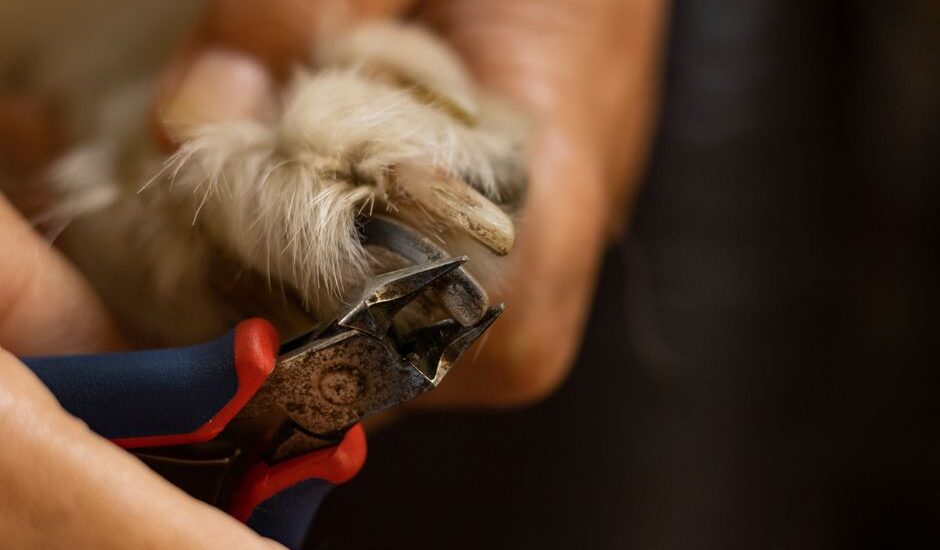
- Manual nail clippers (either “scissor” or “guillotine” style) use a sharp blade to snip the nail in a single cut. They’re silent, quick, and require no power, but need a steady hand and can splinter very hard nails if not sharp enough.
What matters most: your dog’s size, nail hardness, skittishness, and your own dexterity. Owners of large breeds with thick nails often switch to electric for efficiency, while those with small, nervous, or elderly dogs stick with manual for gentler handling.
Side-by-side: electric vs manual nail clippers for dogs
| Tool Type | Best For | Noise Level (dB) | Trim Time (per paw) | Maintenance | Price |
|---|---|---|---|---|---|
| Electric grinder | Thick, black, or tough nails; smoothing sharp edges | 50–70 dB | 4–7 min | Replace sanding drum every 3–6 months | $$$ |
| Manual scissor clipper | Small to medium breeds; precise cuts | 0 dB | 2–4 min | Sharpen/replace blades yearly | $ |
| Manual guillotine clipper | Toy breeds; easy grip for small hands | 0 dB | 2–4 min | Replace blade insert when dull | $ |
| Heavy-duty manual clipper | Large breeds; extra thick nails | 0 dB | 3–5 min | Sharpen/replace blades yearly | $$ |
| Rechargeable electric grinder | Multi-dog households; frequent use | 50–65 dB | 3–6 min | Charge after ~3 hours use | $$$ |
Note on pricing: the $ symbols are relative tiers within this comparison — $ is the cheapest of the bunch, $$$ the priciest. Live listings (and exact prices) appear further on.
Related Guides
Who should use electric nail clippers—and who shouldn’t?
Electric grinders are a game-changer for some, but a disaster for others. They’re ideal for:
- Owners of large or giant breeds (think: German Shepherds, Labradors, Mastiffs), where manual clippers struggle to cut through thick nails cleanly.
- Dogs with black nails, where the quick (the sensitive blood vessel) isn’t visible. Grinders let you take off tiny layers and avoid accidental injury.
- Multiple-dog homes, where efficiency and tool longevity matter—grinders don’t dull like blades do.
But electric tools are often a poor fit for:
- Noise-sensitive or anxious dogs. Even the quietest models run at 50+ dB (about a loud conversation). Many dogs panic at the vibration and whine.
- Puppies in their first nail trims. The combination of sound, sensation, and restraint can create lasting fear. Start with manual tools for early desensitization.
- Dogs with very small or brittle nails. Grinders can overheat or splinter delicate nails if used for too long on one spot.
For most owners, it’s not “either/or.” Many keep both tools on hand: manual for quick trims or puppies, electric for tough nails or smoothing after a clip. See what’s available if you’re considering adding a grinder to your toolkit.
Manual clippers: where they shine (and where they struggle)
Manual nail clippers remain the default for a reason: they’re silent, portable, and require no charging or setup. They’re especially useful for:
- Toy and small breeds (Chihuahuas, Yorkies, Miniature Dachshunds), whose fine nails can be crushed by dull electric grinders.
- Senior dogs or those with arthritis, who may be startled by vibration or have brittle nails best handled gently.
- First-time trimmers. The lack of noise lets you focus on technique and your dog’s comfort, not tool management.
Downsides? Manual clippers struggle with:
- Very thick or black nails. It’s easy to crush, splinter, or accidentally cut the quick—especially with dull blades.
- Dogs who flinch or jerk. One bad snip can mean a bloody nail and a dog who fears trims for life.
- Left-handed owners. Most clippers are designed for right-handers, and awkward grip can lead to uneven cuts.
If you’re committed to manual tools, invest in a sharp, appropriately-sized clipper for your dog’s breed. For thick-nailed breeds, look for models rated for dogs 50 lbs and up—these have longer handles and stronger blades. Compare today’s deals to find the right fit.
Breed, age, and nail type: what actually changes your choice?
Breed and nail characteristics matter more than most owners realize. Here’s how your dog’s specifics should drive your tool choice:
- Small breeds (under 15 lbs) almost always do best with manual clippers. Their nails are thin, the quick is close to the tip, and a grinder can be overkill or even dangerous.
- Medium breeds (15–45 lbs) can go either way. If your dog has clear nails, manual is fastest; for dark or tough nails, consider an electric grinder with a low-speed setting.
- Large and giant breeds (45+ lbs) often need the power of an electric grinder, especially as they age and nails thicken. Manual clippers rated for “large breeds” work, but require strong hands and ultra-sharp blades.
- Puppies should always start with manual clippers for the first few trims. Early positive experiences set the tone for life. Introduce grinders only after desensitization to handling and noise (see professional guidelines on puppy grooming).
- Senior dogs may have drier, more brittle nails. Use a sharp manual clipper or a grinder on the lowest setting, and avoid lingering on one spot to prevent heat buildup.
If your dog’s nails are extremely tough, black, or curl tightly, you may need to alternate: clip the tip with manual, then smooth with electric. For multi-dog households, a rechargeable grinder (45–60 minutes per charge) is often worth the investment. Check current prices on grinders suited for heavy use.
Specifications that actually matter
Noise output (dB)
Electric grinders vary from 50 to 70 decibels—about the level of a normal conversation to a vacuum cleaner. For noise-sensitive dogs, look for models below 60 dB. Manual clippers are silent, making them the default for skittish pets.
Blade sharpness and durability
Manual clipper blades should be stainless steel, with a Rockwell Hardness rating of at least 58 HRC for resistance to dulling. Dull blades crush rather than cut, causing splintered nails and pain. Most need sharpening or replacement every 6–12 months for medium to large breeds.
Grinding speed (RPM)
Electric grinders range from 6,000 to 13,000 RPM. Lower speeds (under 8,000) are best for small or sensitive dogs, while higher speeds handle thick nails but can heat up quickly. Multi-speed options let you adjust for each dog.
Handle ergonomics
Manual clippers should have a non-slip grip with a handle length of at least 10 cm for large breeds. Electric grinders must feel balanced; models over 200g can cause fatigue during longer sessions, especially with multiple dogs.
Safety guard design
Some manual clippers include a quick-stop guard, but these are not foolproof and can obscure your view of the nail. Electric grinders with a detachable safety cover can help shield the quick, but should be removable for cleaning.
Common owner mistakes—and how to avoid them
Both tools have pitfalls. The most frequent error with electric grinders is holding the tool on one spot too long, generating heat and burning the nail. Keep the grinder moving and limit contact to 2–3 seconds per pass. With manual clippers, the biggest risk is cutting too much—especially if you can’t see the quick. Always trim small amounts, and have styptic powder ready for accidents.
Another overlooked issue: failing to maintain your tools. Dull clipper blades and worn grinder drums increase the risk of splits, pain, and poor results. Replace or sharpen blades yearly, and swap grinder bands every few months with regular use.
Finally, don’t ignore your dog’s body language. If your dog starts pulling away, whining, or licking their paws, stop and reassess. Desensitization training—short, positive sessions with plenty of treats—pays off far more than brute force.
FAQ: electric vs manual nail clippers for dogs
Are electric nail clippers safe for all dog breeds?
Electric grinders are generally safe for most breeds, but not ideal for very small dogs (under 10 lbs), those with fragile nails, or noise-phobic dogs. Always use the lowest speed setting for sensitive breeds, and keep sessions short to avoid heat buildup.
How long does it take to trim a dog’s nails with an electric grinder?
On average, grinding all four paws takes about 10–15 minutes for a cooperative medium-sized dog. With practice and a calm dog, this can drop to 6–8 minutes. Manual clippers are faster per cut, but may require extra time for smoothing and handling.
Which is better: electric or manual nail clippers for black nails?
Electric grinders are safer for black nails because you can remove tiny layers at a time, reducing the risk of cutting the quick. Manual clippers work if you’re experienced, but the risk of injury is higher when you can’t see the quick.
How often should you replace the blades or sanding drums?
Manual clipper blades should be sharpened or replaced every 6–12 months for most dogs; sooner if you notice crushing or splitting. Electric grinder sanding drums typically last 3–6 months with regular use, but replace sooner if they become smooth or lose grit.
Do electric nail grinders work for dogs who hate having their paws touched?
Not usually. Dogs who dislike paw handling often find the noise and vibration of grinders even more stressful. Gradual desensitization is essential, starting with manual tools and positive reinforcement before introducing an electric grinder.
What should I do if I accidentally cut the quick?
If you nick the quick (the sensitive part of the nail), apply styptic powder to stop bleeding and soothe pain. Avoid trimming that nail for a week, and keep an eye on your dog for signs of limping or infection. For frequent accidents, consider switching to a grinder for more control.
Is there a warranty or return policy for nail clippers?
Most manual and electric clippers come with a 6–12 month warranty against defects, but this varies by brand and retailer. Some stores offer hassle-free returns if the tool doesn’t suit your needs. Always check the policy before you buy, especially for higher-end electric models.
My take: which tool wins for most real-world dog owners?
If your dog is large, has thick or black nails, or you’re trimming multiple dogs, electric grinders are worth the investment—if your dog accepts the noise. For puppies, anxious, or small-breed dogs, manual clippers remain the safest, least stressful choice. Most experienced owners keep both on hand: manual for quick trims, electric for tough nails and finishing. The right tool is the one your dog tolerates, and you can handle confidently—never the one with the flashiest marketing. Choose for your real-life needs, not hype.



Last updated: June 2026 · About our research