
9 min read
Disclosure: As an Amazon Associate and eBay Partner Network publisher, we earn from qualifying purchases. This doesn’t affect what we recommend or how we describe it.
Three types of dog owners land on the “leather leash vs nylon leash” debate for different reasons. City walkers want a leash that won’t burn their hands if their dog lunges at a squirrel. Hikers and outdoor adventurers need gear that can handle wet, muddy trails without falling apart. And new puppy parents are searching for something safe, chew-resistant, and gentle for leash training. The right choice isn’t just about looks or price—it’s about how the leash will actually perform in your daily life, with your specific dog.
Spot the difference between leather and nylon leashes in real-world use
Leather and nylon leashes may look similar hanging on the rack, but their strengths and weaknesses show up fast once you’re out the door. Leather leashes excel in hands-on comfort and longevity, especially for medium to large breeds with solid leash manners. Nylon leashes, in contrast, offer unmatched variety in length, color, and price, and hold up well to wet weather and frequent washing. But not all leashes are created equal—even within these broad categories, differences in width, stitching, and hardware can make or break your walking experience.
Comparison table: How leather and nylon leashes stack up for key buying profiles
| Option Type | Best For | Typical Width | Weather Resistance | Expected Lifespan | Price |
|---|---|---|---|---|---|
| Classic Leather Leash | Medium/large adult dogs, daily city walks | 3/4″–1″ | Fair (avoid soaking) | 5–10 years | $$$ |
| Rolled Leather Leash | Long-coated breeds, tangle prevention | 1/2″ | Fair (avoid soaking) | 4–8 years | $$$ |
| Flat Nylon Leash | Puppies, all-weather use, budget buyers | 5/8″–1″ | Excellent | 1–3 years | $ |
| Double-Ply Nylon Leash | Large, strong pullers; rough terrain | 1″ | Very Good | 2–4 years | $$ |
| Reflective Nylon Leash | Night walks, high-visibility needs | 3/4″–1″ | Excellent | 1–3 years | $$ |
| Biothane-Style Coated Leash | Water sports, mud, easy cleaning | 3/4″ | Outstanding | 3–5 years | $$ |
Note on pricing: the $ symbols are relative tiers within this comparison — $ is the cheapest of the bunch, $$$ the priciest. Live listings (and exact prices) appear further on.
Choose the right leash for your dog’s size, breed, and walking style
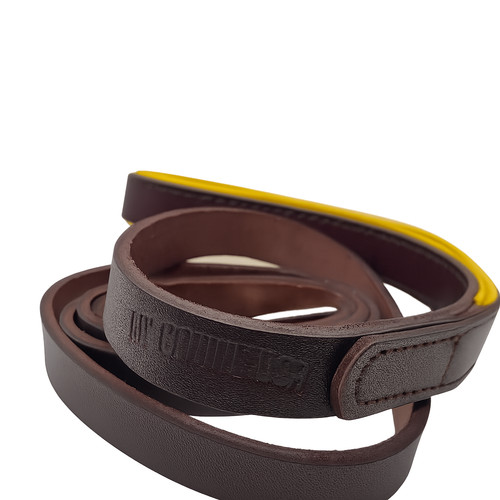
Matching leash material to your dog’s physical traits matters more than most buyers realize. For dogs over 50 pounds—think Labs, Boxers, German Shepherds—a leather leash (3/4″ or 1″ wide) provides a solid, comfortable grip that helps control sudden lunges without cutting into your hand. Leather’s natural give also absorbs shock better than stiff nylon, which is a relief for both you and your dog during unexpected pulls.
For puppies and small breeds (under 25 pounds), a nylon leash in the 5/8″ to 3/4″ range is usually safer and lighter. Young dogs often chew, drag, or get tangled in their leash, so a sturdy but inexpensive nylon option makes sense while they’re learning. Rolled leather leashes minimize matting in long coats (like Collies or Shih Tzus), but are rarely needed for short-haired breeds.
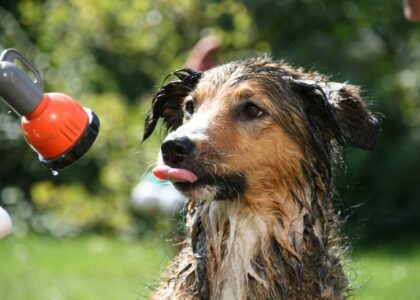
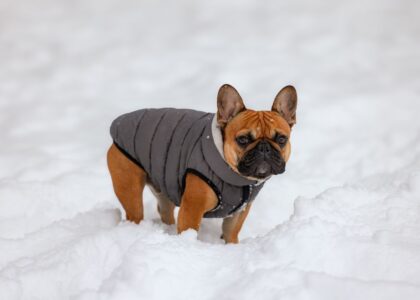
Active dogs who love water, mud, or snow will test the limits of any leash. Standard leather can stiffen, crack, or even rot if left wet; if your adventures take you off the beaten path, nylon or coated “biothane-style” leashes are the better bet. These synthetic options stay supple when soaked and are easy to clean—just rinse and hang dry.
View available optionsSee how each leash material handles real-world safety and control
Safety isn’t just about strength—it’s about how a leash responds in a split second. Leather leashes, especially those 3/4″ or wider, typically have a break strength over 400 lbs, meaning they’re unlikely to snap even under serious strain. Their biggest safety risk is hardware: cheap rivets or lightweight snaps can fail before the leather itself does, so always inspect the clasp and stitching before use.
Nylon leashes also offer high tensile strength (300–700 lbs for a 1″ wide, double-ply leash), but they cut both ways: the same material that resists breaking can cause rope burn if your dog bolts. Reflective stitching is a real safety upgrade for night walks, and nylon is the only material that reliably offers this feature. However, nylon can fray over time, especially if chewed or abraded on pavement.
For power chewers or escape artists, neither leather nor standard nylon is chew-proof. If your dog is a determined biter, a short, double-ply nylon leash or a coated synthetic is less likely to be destroyed in a single outing, but supervision is still key.
Check current pricesWhy leash width, length, and hardware matter as much as material
Too many leash comparisons focus only on material, ignoring the critical specs that impact daily use. Leash width, for example, should match your dog’s weight: 1/2″ for under 20 lbs, 3/4″ for 20–50 lbs, and 1″ for anything larger. Wider leashes distribute force better and are less likely to snap or twist uncomfortably in your hand.
Length is another overlooked factor. Standard leashes run 4–6 feet, with 6 feet offering a balance between freedom and control for most dogs. Shorter (2–4 foot) traffic leashes are best for close control in busy areas, while long lines (15–30 feet, almost always nylon) are used for recall training or hiking. Leather leashes over 6 feet are rare, as the material gets heavy and unwieldy.
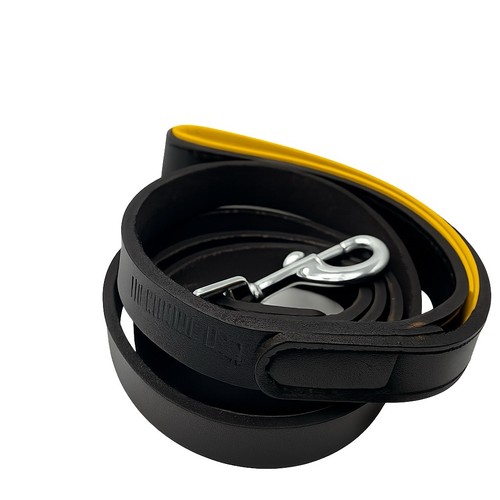
Hardware quality—especially the snap—can be a weak point. Look for a solid brass or stainless steel clasp rated for at least 150% of your dog’s weight. Avoid lightweight zinc or plastic snaps, which can fail unexpectedly. Double-stitching or riveted joints add durability, especially for strong pullers.
Related Guides
- Our guide to Leather Leash vs Nylon Leash: Which Is Better for Your Dog?
- Our guide to How to Train Your Puppy for Loose Leash Walking: A Step-by-Step Guide
- Do Dogs Recognize Their Names? What Science Really Says
- Our guide to Dog Zoomies Explained: Why Dogs Get Sudden Bursts of Energy
- Surprising Benefits of Daily Dog Walks for You and Your Pet
- Dog Raincoats That Actually Keep Your Pup Dry
Total cost of ownership
Sticker price is only part of the story with dog leashes. Here’s what most buyers overlook:
- Replacement frequency: Nylon leashes, especially if chewed, often need replacing every 1–2 years. Leather leashes, properly cared for, can last 5+ years, but may require professional repair if stitching or hardware fails.
- Maintenance products: Leather leashes need conditioning (leather balm or oil) 2–3 times per year, at a typical cost of $10–$15 annually. Nylon leashes rarely need more than soap and water.
- Cleaning costs: Muddy nylon leashes can be machine-washed, but leather must be hand-cleaned to avoid drying out or cracking. If you walk daily in wet climates, plan for more frequent cleaning and conditioning.
- Accessory replacements: Leash clips, D-rings, or reflective patches may need replacing every 1–3 years, especially on nylon leashes exposed to harsh conditions.
- Loss or theft: High-quality leather leashes are attractive targets at dog parks and may not be covered by basic pet insurance or loss protection plans.
Common mistakes when choosing between leather and nylon leashes
Many owners buy based on looks or price, not realizing how quickly the wrong leash can fail. A classic misstep is buying a thin, decorative leather leash for a 70-pound dog—these can stretch or snap under sudden force. Conversely, choosing a thick, stiff nylon leash for a 10-pound pup can make walks uncomfortable and even discourage leash training. Another frequent error: ignoring hardware quality. A sturdy leather strap is useless if the snap is flimsy or rust-prone.
It’s also common to overlook cleaning and care. Leather leashes left wet in the car can mildew or stiffen, while nylon leashes that aren’t regularly checked may fray at the edges, creating a risk of sudden breakage. Finally, owners sometimes assume a leash is “chew-proof” just because it’s thick—no leash is truly immune to a determined chewer, so supervision is always needed.
FAQ: Leather leash vs nylon leash—what real buyers want to know
Which leash material lasts longer—leather or nylon?
High-quality leather leashes can last 5–10 years with proper care, while most nylon leashes need replacing after 1–3 years, especially if exposed to heavy use or chewing. The difference comes down to maintenance: leather requires conditioning but resists wear, while nylon is lower-maintenance but more prone to fraying.
Is a leather leash safer for strong pullers?
For dogs over 50 lbs who lunge or pull, a 3/4″ or 1″ leather leash provides excellent shock absorption and won’t cut into your hand like nylon. However, the safety also depends on the metal hardware—always check the clasp strength and stitching before use.
How often should I replace my dog’s nylon leash?
Most nylon leashes hold up 1–3 years with daily use, but check for fraying, chew marks, or weakened stitching every three months. Replace immediately if you see tears or if the snap no longer closes securely.
Which leash is better for wet weather—leather or nylon?
Nylon and coated synthetic (biothane-style) leashes outperform leather in wet conditions. Leather can stiffen or crack if repeatedly soaked, while nylon dries quickly and retains its flexibility. For frequent walks in rain or snow, choose a nylon option with rust-resistant hardware.
Are leather leashes worth the higher price for most owners?
For adult dogs with leash manners and owners who value comfort and durability, the upfront cost of leather pays off over years of use. However, for puppies, heavy chewers, or anyone on a tight budget, nylon is usually the more practical choice until your dog’s leash habits are predictable.
Can a rolled leather leash really prevent coat matting?
Yes, for long-haired breeds, rolled leather leashes reduce friction and tangling around the neck and shoulders compared to flat leashes. This makes a noticeable difference for dogs with thick or silky coats, though it’s less important for short-haired breeds.
What’s the main reason leashes fail—material or hardware?
Hardware failures—especially weak snaps or poorly attached D-rings—cause more leash breakages than the material itself. Always inspect metal parts and attachment points, regardless of whether the leash is leather or nylon.
Check what professional trainers and standards bodies recommend
Many professional trainers favor leather leashes for advanced obedience work due to their handling feel and durability. However, organizations like the Humane Society recommend nylon leashes for puppies and general-purpose walking, emphasizing the importance of regular inspection for wear. Leash choice is always a balance of your dog’s size, temperament, and your own handling preferences—no single material is perfect for every scenario.
So—leather or nylon? Here’s the bottom line
If you want a leash that feels great in your hand, ages beautifully, and can handle years of city or suburban walking, invest in a high-quality leather leash—just be ready for some maintenance. If you need something affordable, weatherproof, and easy to clean, nylon is the clear winner, especially for puppies, chewers, and adventure dogs. The best leash is the one that fits your daily routine, your dog’s needs, and your own priorities—so match material, width, and hardware to real-life use, not just the label.


Last updated: June 2026 · How we put guides together