8 min read
Dogs that walk at least once daily have up to 60% fewer behavioural complaints, according to a 2022 survey of over 2,000 owners by a UK animal welfare charity. That number alone reframes daily dog walks from a “nice-to-have” to an essential part of canine care. Yet, the real-world impact goes far beyond behaviour: regular walks can transform everything from joint health to social confidence. But what actually changes when you commit to daily walks—and how do breed, age, and lifestyle shift the equation?
See how daily walks stack up: comparison by walk frequency
| Routine Type | Typical Behavioural Outcome | Average Daily Distance | Suitability by Life Stage | Time Commitment |
|---|---|---|---|---|
| Daily Structured Walk | Lowest rates of anxiety & destructiveness | 1.5–5 km | Puppy, Adult, Senior (adjusted pace) | 30–90 min |
| Weekend-Only Walks | Higher boredom, sporadic energy spikes | 2–8 km (per walk) | Mostly Adult, some Seniors | 60–120 min (per walk) |
| Yard-Only Play | Common frustration-related behaviours | — | Adult, Senior | 10–30 min |
| Multiple Short Walks | Good for small breeds, seniors | 0.5–3 km (total) | Puppy, Senior, Toy breeds | 15–20 min per walk |
| Dog Park Visits Only | Variable; may reinforce bad social habits | — | Adult, select breeds | 45–90 min |
Pinpoint the biggest gains from daily dog walks
Daily walks aren’t just about exercise. They actually address the root causes of many common canine challenges—often more effectively than expensive training or enrichment toys. Here’s what changes when your dog gets a proper walk every single day:
- Behavioural stability: Dogs walked daily are far less likely to develop nuisance behaviours like excessive barking, chewing, or hyperactivity. The routine burns physical and mental energy in a structured way—something a backyard or even a dog park can’t consistently provide.
- Weight and joint health: Regular walks help keep weight within a healthy range and maintain strong muscles around the joints. For breeds prone to hip dysplasia or arthritis, this daily movement can delay or reduce age-related mobility loss.
- Social confidence: Controlled exposure to the outside world—other dogs, people, new smells—can help reduce reactivity and fear-based behaviours. This is especially true for puppies in their critical socialisation window (8–16 weeks), but even adult rescues benefit.
- Digestive regularity: Many dogs sync their toileting to walk times, which can reduce accidents indoors and make house training easier for puppies and seniors alike.
- Stronger owner-dog bond: The simple act of walking together builds trust and communication, especially if you use walks for basic training (like loose-leash walking or recall).
For many owners, these gains mean fewer vet visits, less household damage, and a calmer, happier home environment.on basic walking gear if you’re ready to upgrade your routine—sometimes a new harness or lead can make all the difference in comfort and control.
Adjust your walk for breed and life stage
Not all walks are created equal. The needs of a 12-week-old Border Collie are worlds apart from those of a 10-year-old Pug. Here’s how to tailor your daily walk for the dog in front of you:
- Puppies (up to 12 months): Short, frequent walks (5–15 minutes, 2–4 times daily) protect growing joints. Avoid forced exercise; let them set the pace. Socialisation is key—expose to new sights, sounds, and surfaces, but keep intensity low.
- Active breeds (e.g., Huskies, Vizslas): These dogs often need at least 60–90 minutes of brisk walking or structured running daily, ideally split into two sessions. Mental stimulation—like sniffing or training breaks—matters as much as distance.
- Small/toy breeds: Their stride means 1 km tires them out much more than a Labrador. Two 15–20 minute walks may be plenty, but still aim for at least 1 km total daily movement.
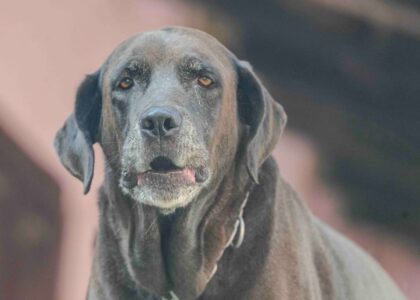
- Seniors (7+ years): Joint stiffness and heart health become bigger concerns. Walks may slow to 1–2 km at a gentle pace. Avoid slippery surfaces and watch for signs of fatigue; split exercise into shorter sessions if needed.
- Brachycephalic breeds (e.g., Bulldogs, Pugs): These dogs are prone to overheating and breathing issues. Limit walks to 15–20 minutes in cool weather, and avoid strenuous exercise in heat or humidity. Always carry water.
For all dogs, adjust for weather—anything above 25°C (77°F) can be dangerous for most breeds, and cold extremes (below -5°C/23°F) may require paw protection or insulated coats for short-haired dogs.for climate-appropriate walking gear.
Related Guides
Spot the difference between walk types—what really works?
Not every “walk” delivers the same benefits. Here’s what research and real-world experience show about different approaches:
- Leisurely strolls vs. brisk walks: Brisk walking (at least 4–5 km/h) burns more calories and provides better cardiovascular benefits. However, “sniff walks” where your dog explores at their own pace offer critical mental stimulation and stress relief.
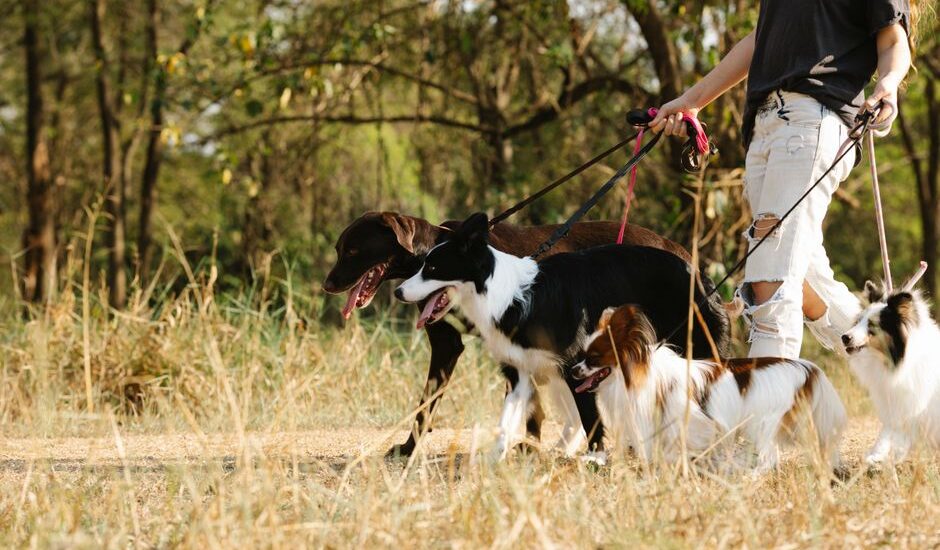
- Solo walks vs. group walks: One-on-one walking allows you to reinforce training and bond; group walks can boost social skills (if well-managed) but may reinforce bad habits if dogs are poorly matched or handlers are distracted.
- On-leash vs. off-leash: Off-leash walking in secure areas (with reliable recall) provides unmatched freedom and enrichment, but comes with safety and legal risks. Most urban owners get best results with structured on-leash walks for reliability.
- Dog park sessions: While great for energy burn, parks can’t replace the value of structured, predictable walks. Over-reliance on parks can worsen reactivity or overstimulation in some dogs.
For most owners, a mix of brisk walks and slower, sniff-friendly outings works best. The key is consistency—skipping weekday walks can undo weekend gains.
Red flags in listings to walk past
Shopping for leashes, harnesses, or walking aids? These red flags in product listings or descriptions often signal a poor-quality or unsafe choice:
- Missing weight or size limits: If the listing doesn’t specify a max supported weight (e.g., “for dogs up to 30 kg”), it usually means the seller hasn’t tested strength or durability.
- No return policy or warranty mention: Trustworthy walking gear should offer at least a 30-day return window or basic defect coverage. Lack of this often means the product won’t hold up to real-world use.
- Stock photos only, no real-use images: Listings with only generic, studio-lit product shots often mask poor build quality or design flaws that show up in customer photos.
- Ambiguous material claims (“premium fabric”, “strong alloy”): Look for concrete specs—like “nylon webbing, 2 mm thick” or “stainless steel D-ring”—not just marketing buzzwords.
- No visible adjustment points: Harnesses or collars without multiple adjustment sliders rarely fit securely, increasing risk of escape or chafing.
Always scrutinise listings for missing or vague details. High-quality walking gear should be transparent about sizing, materials, and safety features.on gear that meets these standards before committing.
Common mistakes that sabotage the benefits of daily walks
Even the most dedicated owners can get tripped up by simple missteps. Here’s what to watch for if you want to maximise the gains from your dog’s daily walks:
- Using the wrong equipment: Ill-fitting harnesses or retractable leashes can cause frustration, injury, or even escape. Always measure your dog’s chest and neck and check that hardware is rated for their weight (e.g., carabiners tested to 150 kg for large breeds).
- Sticking to the exact same route every day: Dogs thrive on novelty. Repeating the same block can make walks less enriching and may increase territory-based reactivity. Vary your route weekly to keep things interesting.
- Skipping walks in bad weather: Most dogs can tolerate rain or cold with the right gear. Consistency matters more than perfection—use waterproof jackets or paw wax for wet days, and shorten walks only when safety is truly at risk.
- Over-exercising young puppies or seniors: Too much, too soon can damage developing or aging joints. Stick to age-appropriate distances (see above) and watch for lagging, limping, or reluctance to continue.
- Ignoring your dog’s signals: Excessive panting, sudden stops, or reluctance to walk may signal discomfort, anxiety, or an underlying health issue. Don’t push through—pause and reassess your approach.
Fine-tuning your walk routine can mean the difference between a daily chore and a highlight of your dog’s day—and yours.
FAQ: Daily dog walks—what owners really ask
How long should a daily walk be for most dogs?
Most adult dogs benefit from 30–60 minutes of walking each day, covering roughly 2–5 km depending on breed and pace. Puppies and seniors usually need shorter, more frequent walks. Adjust based on your dog’s age, fitness, and any breed-specific health risks.
Is a fenced yard a substitute for daily walks?
No—a yard gives physical space but lacks the mental stimulation, social exposure, and structured exercise walks provide. Dogs with only yard time often display more boredom-related behaviours compared to those walked regularly.
Are two short walks better than one long walk?
For many dogs, splitting walks into two sessions (e.g., 20–30 minutes each) offers better physical and mental benefits than a single, long walk. This is especially true for puppies, small breeds, and seniors, who tire more quickly and benefit from breaks.
How many calories does a 30-minute walk burn for a medium dog?
A 20–25 kg adult dog typically burns 80–120 calories during a brisk 30-minute walk. This varies by terrain, speed, and individual metabolism, but regular walks are a key part of weight management for most breeds.
Daily walks vs. dog park visits—which is better for socialisation?
Daily walks provide structured, lower-stress exposure to new people, environments, and dogs—ideal for building social confidence. Dog parks can be useful but often overwhelm shy or reactive dogs and may reinforce bad habits if not carefully managed.
What if my dog refuses to walk or lags behind?
Reluctance to walk can signal fear, pain, or discomfort—check for physical causes (like sore paws or harness fit) first. For nervous dogs, start with very short, positive walks and gradually build up confidence. If problems persist, consult a qualified trainer or behaviourist.
Are daily walks safe in extreme heat or cold?
Walks should be shortened or rescheduled during temperature extremes. Above 25°C (77°F), risk of heatstroke rises, especially for flat-faced breeds. In cold below -5°C (23°F), use protective gear for paws and limit time outdoors, especially for lean or short-coated dogs.
Why daily walks are a non-negotiable for real-world dogs
There’s simply no substitute for a daily walk—nothing else delivers the same blend of exercise, mental stimulation, and real-world exposure. Even a few missed days each week can undo progress in behaviour and health. If you want a calmer, healthier, and more resilient dog, make daily walks the cornerstone of your care routine. The right walking gear, adjusted for your dog’s needs, makes this habit sustainable year-round. For more on canine exercise guidelines, see the RSPCA’s resources—and treat your daily walk as the vital investment it is.
Last updated: June 2026 · How we put guides together