8 min read
Disclosure: As an Amazon Associate and eBay Partner Network publisher, we earn from qualifying purchases. This doesn’t affect what we recommend or how we describe it.
Most training treat bag guides focus on pockets, closures, and colors. But the real test is whether a bag disappears into your routine—does it actually make rewarding your dog faster, less fussy, and hands-free, even when you’re wrangling a leash, clicker, and a wiggly adolescent Lab? The right treat pouch isn’t just another accessory; it’s a tool that can speed up training, reduce fumbling, and keep you from getting covered in crumbs or chicken grease. But not all bags are equal, especially if you’re training a power-chewer, working with a tiny puppy, or running multi-dog sessions in the rain. Let’s dig into what really matters when choosing the best dog training treat bag for your needs.
What most buying guides get wrong about treat bags
The majority of treat bag roundups ignore the real differences that affect daily use. It’s not just about how much kibble a pouch holds or whether it clips to your belt. Instead, the details that matter are: how quickly you can access treats one-handed, whether the bag stays open (or closed) at the right times, if it keeps high-value treats from leaking scent or oil through your clothes, and how it fits your body when you’re moving fast—or stooping down to reward a small dog. Materials, closure style, and even the width of the bag’s opening can make or break your experience, especially if you’re training outdoors or running group classes.
Comparison: Which treat bag type fits your training style?
| Bag Type | Best For | Closure Style | Capacity (cups) | Water Resistance | Price |
|---|---|---|---|---|---|
| Magnetic Snap-Open | Fast-access rewards | Magnetic top | 1.5–2 | Water repellant | $$ |
| Drawstring Pouch | Rainy days, scent control | Drawstring | 2–3 | Waterproof lining | $ |
| Hinged/Rigid Mouth | Trainers with large hands | Spring-loaded frame | 2–2.5 | Water resistant | $$$ |
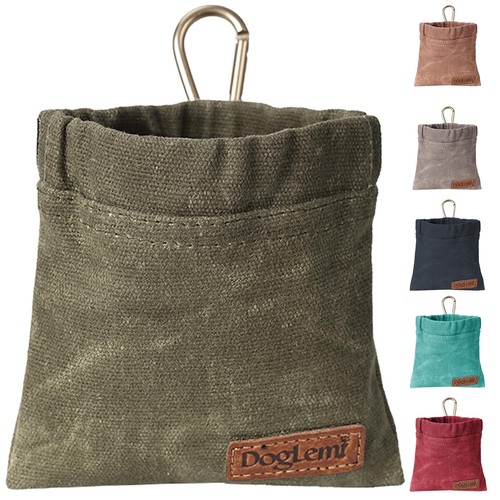
| Clip-On Pocket Bag | Short sessions, minimalists | Elastic or flap | 0.5–1 | — | $ |
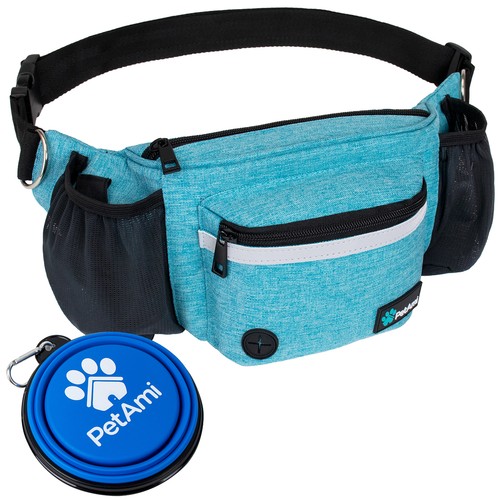
| Waist Belt Pouch | Hands-free, active training | Zipper/magnetic | 2–4 | Water repellant | $$$ |
| Multi-Compartment Trainer Bag | Pro trainers, multi-dog households | Combo closure | 3–5 | Waterproof base | $$$ |
Price tiers ($/$$/$$$) read across this comparison only — they mark each product’s relative position from cheapest to priciest in the set. Actual prices live below.
Does your dog’s breed—or your training style—change the right choice?
If you’re working with a toy breed or young puppy, a massive treat pouch will likely get in the way, and you may struggle to grab tiny treats from a deep bag. Look for a pouch with a narrower opening (under 4 inches wide) and a shallow depth, so you don’t have to fish around. For larger breeds, or if you’re training outdoors in winter gloves, a wide-mouth or rigid-framed bag (opening of 5–6 inches) lets you grab treats fast without missing the mark.
Power chewers or high-drive working breeds often need higher-value, moist treats (think cheese or cooked meats). These options can leak oils and odors, so a waterproof or at least water-resistant liner is critical. If you’re running group classes or have multiple dogs, a multi-compartment bag lets you separate treat types (low and high value) or keep a clicker and poop bags handy without cross-contamination.
The spec almost nobody talks about: closure style and real-world access speed
Drawstring closures offer excellent scent control and water resistance, but they’re slow to open—often requiring two hands, which is a dealbreaker for clicker training or leash work. Magnetic closures snap open with one hand and close automatically, making them the fastest for reward timing, but they may not seal well enough to keep out rain or stop a determined nose from rooting inside. Spring-loaded (hinged) frames stay open when you need fast, repeated access—useful for shaping complex behaviors—but can be bulkier and more prone to accidental spills if you bend over suddenly.
If you train in rain, mud, or with oily treats, prioritize a waterproof lining—at least 210D nylon or food-grade silicone. For dry kibble and short sessions, lightweight canvas or polyester may be fine, but be aware that low-grade linings absorb scent and stain quickly.
Beginner’s pre-purchase checklist
- Measure your waist or hip circumference in inches if you prefer a belt-style bag—most adjust from 28–48 inches, but some max out at 36.
- Test your dominant hand’s ability to open and close a bag one-handed (simulate with a pouch or ziplock at home).
- Estimate your typical session treat volume (1, 2, or 3 cups) to avoid over- or under-sizing.
- Check if your preferred treats are moist or oily; if so, verify the bag has a waterproof or silicone liner.
- Decide if you need extra pockets for clicker, phone, or waste bags—some basic pouches have zero storage beyond treats.
- Review the closure: if you train outdoors or with scent-sensitive dogs, avoid fully open-top bags.
- Consider your training environment—if you’re often in the rain or snow, prioritize water-resistant materials and closures.
Common mistakes: where treat bags frustrate real owners
Many new trainers buy the largest bag available, only to find it banging against their hip or dumping treats when they bend over. Conversely, minimalist bags often lack enough capacity for longer sessions, especially with large breeds or when using high-value treats that are bulkier than kibble. Another pitfall: skipping water resistance, leading to grease stains on clothes and lingering odors. If you’re left-handed, check if the bag’s orientation or clip is ambidextrous; some rigid-mouth bags only angle for right-hand access.
Owners often underestimate how quickly they need to access treats for effective reinforcement. Delays of even two seconds can reduce your training impact, especially during shaping or clicker work. Prioritize bags that allow true one-handed access and fast closure—test this before committing, if possible.
Related Guides
How to keep treats fresh and your bag clean
Even the best treat bag can become a breeding ground for bacteria or mold if not cleaned regularly—especially when using moist or perishable treats. Look for bags with removable, washable liners (preferably machine-washable up to 40°C/104°F). If you use cooked meats or cheese, empty and wipe down the bag after every session. For dry treats, a weekly clean is usually enough. Avoid storing treats in the bag between sessions, especially in warm weather. For more on food safety, see FDA recommendations on pet food handling.
FAQ: Real-world questions about dog training treat bags
How many treats does a standard bag actually hold?
Most mid-sized training treat bags hold between 1.5 and 2.5 cups of kibble or small treats. That’s enough for a 30–45 minute session with a medium to large dog. If you use larger treats or train multiple dogs, look for bags with a 3-cup or greater capacity.
Magnetic closure vs. drawstring—what’s better for daily training?
Magnetic closures offer the fastest one-handed access, making them ideal for clicker or leash training where timing is critical. Drawstrings provide better scent and moisture control, which is useful for oily treats or training in wet weather, but they slow down treat delivery. Choose based on your primary training environment and treat type.
Are treat bags with rigid frames worth the extra cost?
Rigid or spring-framed bags are bulkier and pricier but excel for trainers who need the bag to stay open during rapid-fire sessions, especially with large hands or gloves. They’re especially useful in group classes or for advanced shaping work, though not necessary for casual walks or basic obedience.
Will a basic clip-on treat pouch work for a 60-minute class?
Most clip-on pouches max out at 1 cup capacity, which is typically not enough for a full hour of training with a food-motivated medium or large dog. They’re best for short reinforcement sessions or walks, not extended classes or high-frequency reward training.
How often should I clean my treat bag, and can I put it in the washing machine?
If you use moist or perishable treats, wipe out the bag after every use and wash the liner weekly. Many bags with removable liners are safe for machine washing at 40°C/104°F, but always check the label. For dry treats, a biweekly clean is usually sufficient to prevent odor buildup.
What should I look for if I train in the rain or snow?
Prioritize bags with waterproof or at least water-resistant linings and closures. Drawstring or zippered pouches keep moisture out best, while magnetic or open-top bags are more susceptible to leaks. Also consider materials that dry quickly and don’t absorb odors.
Is a treat bag necessary if I already have deep pockets?
While your coat or cargo pockets can work for dry treats, they often allow crumbs, grease, and odors to transfer to your clothes. Dedicated treat bags keep training supplies contained, offer faster access, and reduce the risk of dropping treats during active sessions—especially if you use moist or high-value rewards.
Affiliate picks: which treat bag category is right for you?
For most owners working on daily obedience or recall, a magnetic snap-open pouch (1.5–2 cups) strikes the best balance between speed and capacity—check current prices on these options. If you’re training in wet climates or using moist treats, a drawstring or waterproof-lined bag is a safer bet—view available options. For professional trainers or multi-dog homes, a multi-compartment, belt-style bag with at least 3 cups of capacity and extra pockets is worth the investment—compare today’s deals for trainer-focused picks.
Bottom line: choose for speed, fit, and your dog’s needs—not just pocket count
The best dog training treat bag is the one you barely notice—until you need it. Prioritize fast, one-handed access, a closure that suits your treats and training environment, and a fit that won’t get in the way whether you’re running an agility course or crouching to reward a shy rescue. Skip the flashy features and focus on core functionality. Your training sessions—and your dog—will thank you.


Last updated: July 2026 · How we put guides together