7 min read
Disclosure: As an Amazon Associate and eBay Partner Network publisher, we earn from qualifying purchases. This doesn’t affect what we recommend or how we describe it.
Is it ever safe—or even necessary—to fully deshed a double-coated dog, or does this risk long-term damage to their fur and skin? The answer isn’t as simple as “more brushing is better.” Double-coated breeds require a distinct approach to deshedding that balances coat health, comfort, and the realities of heavy seasonal shedding. The wrong tool or method can leave you with a patchy, stressed-out pup. The right strategy, on the other hand, can keep your home cleaner, your dog cooler, and your grooming bills under control.
Why Double-Coated Dogs Shed Differently
Double-coated dogs—think Huskies, Golden Retrievers, German Shepherds, and Australian Shepherds—have two distinct layers of fur: a soft, insulating undercoat and a coarser, protective topcoat. This design isn’t just for aesthetics; it’s an evolutionary adaptation for temperature regulation and skin protection. During “coat blow” seasons (usually spring and fall), these breeds shed their undercoat en masse. The volume can be shocking: a single brushing session might fill a trash bag, especially with large breeds. Unlike single-coated dogs, double-coated dogs do not benefit from shaving, and improper deshedding can permanently alter coat texture and regrowth.
Comparing Deshedding Tools and Methods for Double-Coated Breeds
| Tool Type | Best for Coat Length | Teeth/Pin Size | Shedding Season Suitability | Ease of Cleaning |
|---|---|---|---|---|
| Slicker Brush | Medium to Long | 0.5–1.5 cm wire pins | Moderate—good for daily use | Manual removal, moderate effort |
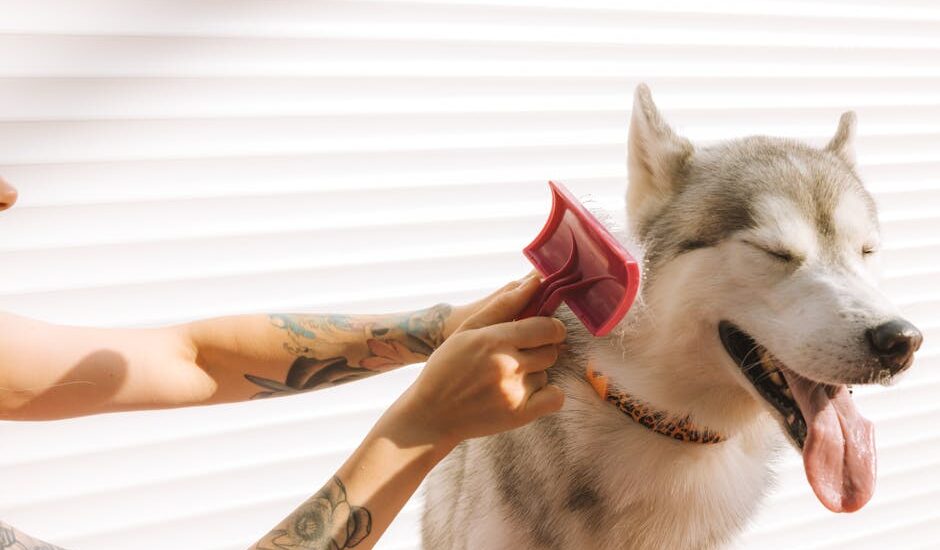
| Undercoat Rake | Medium to Thick | 1–2 cm rotating teeth | Excellent for heavy shedding | Easy—fur drops off teeth |
| Deshedding Blade | Short to Medium | Fine serrated edge, 10–15 cm length | Best during coat blow | Quick tap to clean |
| Shedding Comb | Long | 2–3 cm rounded teeth | Great for finishing and tangles | Low—manual extraction |
| High-Velocity Dryer | All lengths | — | Superb for coat blow; not for daily use | Minimal—fur is blown away |
| Coat Conditioner Bath | All lengths | — | Helps loosen undercoat pre-deshedding | — |
Breed, Age, and Lifestyle: What Changes Your Approach?
Deshedding isn’t one-size-fits-all, even among double-coated breeds. A Malamute’s dense, oily coat behaves differently from a Border Collie’s feathered layers. Puppies under 12 months rarely need full deshedding; their coats are still developing and are prone to damage from aggressive tools. Seniors may have thinner, more fragile coats—using an undercoat rake with rotating teeth (1–2 cm) is gentler for them than a deshedding blade. Working dogs or those who spend significant time outdoors often develop thicker insulation and may require more frequent sessions during peak shedding. Conversely, indoor-only dogs may shed less dramatically but year-round. Always adjust your tool and technique to your specific dog’s age, breed, and day-to-day activity.
What Happens If You Shave or Over-Deshed a Double Coat?
Shaving a double-coated dog or using overly aggressive deshedding tools can disrupt the natural growth cycle of the fur. The undercoat may regrow faster than the topcoat, leading to a patchy, woolly appearance and poor insulation. In some cases, the topcoat never fully returns, leaving the skin more vulnerable to sunburn and temperature extremes. For most breeds, the undercoat is best managed with raking or blowing out, not with clippers or blades intended for single-coated breeds. If you’re ever in doubt, consult a professional groomer with experience in double coats—not all “all-breed” groomers have the right skills or tools.
How Often Should You Deshed—and When?
For heavy shedders like Huskies or Akitas, weekly undercoat raking (with 1–2 cm teeth) is standard outside of coat blow season. During peak blowing (usually 2–4 weeks in spring and fall), you may need to brush or rake every other day. Shorter-coated double breeds (like Labs) can often get by with biweekly sessions and a deshedding blade. Bathing with a coat conditioner before deshedding can loosen dead fur, making deshedding more effective and less stressful for your dog. Avoid over-brushing—if you’re pulling out clumps after every session, you’re likely going too hard or too often.
Related Guides
- Deshedding Double-Coated Dogs: Tips for a Healthier, Happier Coat
- Our guide to A No-Nonsense Guide to the Best Flea Collars for Dogs
- Our guide to Dewormers for Dogs 2026: Tried, Tested and Reviewed
- Best ID Tags for Dogs 2026: Our Top Picks
- Best Joint Care Supplements for Dogs 2026: Our Top Picks
- The Best Dental Chews for Dogs, Reviewed
High-Velocity Dryers: Game-Changer or Overkill?
High-velocity dryers (HV dryers) are a staple in professional grooming shops for a reason: they can blast out loose undercoat in minutes, reducing the need for prolonged brushing. For large double-coated breeds, a 2.0–4.0 HP dryer with variable speed makes coat blow season dramatically easier. However, these machines are loud and can frighten noise-sensitive dogs. They also require a safe, secure area—fur will fly everywhere. For most owners, renting or borrowing an HV dryer once or twice a year is sufficient. If you have multiple large breeds, investing in a mid-range unit ($$–$$$) can pay for itself in grooming savings. PetMD has a good primer on safe use and acclimation techniques.
Common Mistakes: What to Avoid When Deshedding Double-Coated Dogs
- Using the wrong tool for coat length: A slicker brush with 0.5 cm pins won’t reach the undercoat of a thick-coated Malamute, while a shedding blade can scratch a thin-skinned senior.
- Skipping pre-bath prep: Bathing before you brush can mat the fur and make deshedding harder. Always loosen tangles and mats first.
- Deshedding too aggressively: If you see pink skin, bald spots, or hear your dog yelp, stop immediately. Rotate tools and use gentle pressure.
- Ignoring seasonal changes: Not all double-coated breeds “blow” their coats at the same time. Watch for clumps and increased shedding as your cue.
For more in-depth grooming safety tips, check out the National Dog Groomers Association.
Quick decision tree
- If your dog has a thick, long undercoat and sheds heavily in spring/fall: Undercoat rake (1–2 cm teeth) is your go-to for coat blow.
- If you want daily maintenance for moderate shedders: Slicker brush (0.5–1.5 cm pins) is gentle and effective.
- If you’re on a tight budget or have a short-coated double breed: Deshedding blade is affordable and easy to clean.
- If you need to tackle severe seasonal shedding fast: Rent or borrow a high-velocity dryer for one or two sessions.
- If your dog is a senior or has skin sensitivities: Use a shedding comb with rounded 2–3 cm teeth for minimal irritation.
FAQ: Real Questions About Deshedding Double-Coated Dogs
How often should you use an undercoat rake on a double-coated dog?
During peak shedding (coat blow), use an undercoat rake every other day for 2–4 weeks. Outside of this period, weekly sessions usually suffice for most breeds. Adjust frequency based on how much loose fur you’re seeing and your dog’s comfort level.
Deshedding blade vs. undercoat rake—which is better for heavy shedders?
Undercoat rakes (with 1–2 cm teeth) penetrate thick undercoats more effectively, making them the better choice for breeds like Huskies or Shepherds during coat blow. Deshedding blades work well for short to medium coats but may miss deep undercoat on dense breeds.
Can you use a high-velocity dryer on all double-coated dogs?
Most double-coated breeds tolerate HV dryers well, especially if introduced gradually. However, noise-sensitive or anxious dogs may need extra acclimation, and puppies or seniors with fragile coats should be monitored closely. Always start on the lowest setting and avoid blowing directly into the face or ears.
How long does a full deshedding session take for a large double-coated dog?
Expect to spend 30–60 minutes per session during heavy shedding, especially for large breeds like Malamutes or Newfoundlands. Using an HV dryer can cut this time in half, but thorough brushing and checking for tangles is still necessary afterward.
What’s the risk of using human hair tools on double-coated dogs?
Human combs and brushes aren’t designed for dense canine undercoats. Their pins are too short and can break or pull fur, leading to discomfort or even skin injury. Always choose tools with appropriate pin length (1–3 cm) and rounded tips for safety.
Are there any return policies or warranties on grooming tools?
Most reputable grooming tool categories offer 30–90 day returns and a one-year warranty on manufacturing defects. However, damage from improper use (bent pins, broken blades) is rarely covered. Always check the specific terms for the tool profile you’re considering.
Deshedding Done Right Means Healthier Coats—and Happier Dogs
For double-coated breeds, the right deshedding approach isn’t about removing as much fur as possible—it’s about preserving the protective function of the coat while managing seasonal explosions of undercoat. Invest in the right tool for your dog’s size and coat type, adjust your routine by season and life stage, and never resort to shaving. If there’s one upgrade worth making, it’s a quality undercoat rake or a session with a high-velocity dryer during coat blow. Your dog’s skin—and your vacuum—will thank you. Check current prices on top-rated deshedding tools, or view available options if you’re ready to tackle the next shedding season with confidence.
Last updated: July 2026 · About our research