9 min read
Disclosure: As an Amazon Associate and eBay Partner Network publisher, we earn from qualifying purchases. This doesn’t affect what we recommend or how we describe it.
Choosing between ceramic and stainless steel bowls for your dog comes down to more than looks or price — it’s about hygiene, safety, and your dog’s daily comfort. Some dogs push their bowls, some need extra capacity, and others have sensitivities to materials. The difference between a $10 ceramic set and a $40 stainless bowl can be more about longevity and health than sticker shock. This guide compares four currently-available bowls — two stainless, two ceramic — to help you zero in on the right pick for your dog’s habits, your home, and your budget.
Top picks at a glance
- Basis Pet Made in the USA Stainless Steel Dog Food & Water Bowls — the premium stainless steel option
- BUILT Dog Bowl 64 Oz Stainless Steel Pet Bowl with Soft Grip & Non-Slip Base — the largest stainless steel pick
- Ceramic Dog Bowls for Medium Dogs 3.5 Cup Checkered Dog Food and Water Bowl — the most decorative ceramic option
- Basic Ceramic Dog Bowl XS 4 Pack — the budget ceramic choice
Side-by-side comparison: Ceramic and stainless steel dog bowls

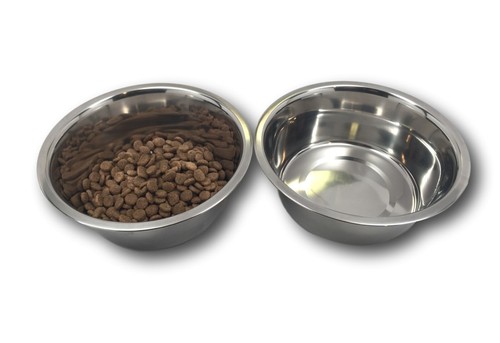
Pictured: Basis Pet bowls
| Product | Condition | Price | Best For | Capacity | Dishwasher Safe |
|---|---|---|---|---|---|
| Basis Pet Made in the USA Stainless Steel Dog Food & Water Bowls |
New | $$$ | Premium stainless, hygiene, longevity | Varies by size (typ. S–L, up to 8 cups) | Yes |
 BUILT Dog Bowl 64 Oz Stainless Steel Pet Bowl with Soft Grip & Non-Slip Base BUILT Dog Bowl 64 Oz Stainless Steel Pet Bowl with Soft Grip & Non-Slip Base |
New | $ | Large capacity, non-slip, value | 64 oz (8 cups) | Yes |
 Ceramic Dog Bowls for Medium Dogs 3.5 Cup Checkered Dog Food and Water Bowl Ceramic Dog Bowls for Medium Dogs 3.5 Cup Checkered Dog Food and Water Bowl |
New | $$ | Decorative, medium size, ceramic | 3.5 cups | Yes |
 Basic Ceramic Dog Bowl XS 4 Pack Basic Ceramic Dog Bowl XS 4 Pack |
New | $ | Budget, small dogs, multiples | XS (approx. 1–1.5 cups each) | Yes |
$ / $$ / $$$ indicates budget / mid-range / premium relative to the picks above. Check live listings further down for current prices.
How stainless steel bowls compare: Hygiene, durability, and size
Stainless steel is widely considered the safest and most hygienic material for dog bowls, especially if you’re concerned about bacteria or your dog is prone to allergies. Both the Basis Pet bowls and the BUILT Dog Bowl are made from stainless steel, but they target different needs.
- Basis Pet bowls: Made in the USA from food-grade stainless steel — which, according to NSF International, is the gold standard for resisting corrosion and leaching. These bowls come in multiple sizes (typically up to 8 cups), and are positioned as the premium, long-term solution for owners who want to avoid plasticizers or glazes altogether. If you have a dog with skin sensitivities, or you want a bowl that won’t pick up odors or scratches, this is the most robust pick on the list.
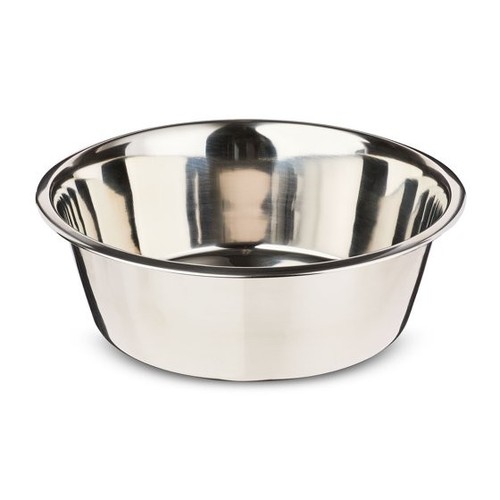
- BUILT Dog Bowl: Also stainless, but the focus here is on size and value. The 64 oz (8 cup) capacity makes it a practical choice for large breeds, multi-dog households, or even as a shared water bowl. The addition of a soft grip and non-slip base helps prevent sliding — a small but meaningful detail if you have a dog that likes to chase its dinner across the kitchen. While it’s not USA-made or marketed as premium, it covers the basics at a lower price point.
Both stainless options are dishwasher safe, non-porous, and resist harboring bacteria — a key advantage over materials that can develop micro-cracks over time. Stainless steel is also less likely to chip, which matters if your dog is a chewer or bowl-flipper. Note that neither option is insulated; if you need to keep water cool for hours, look elsewhere.
Ceramic dog bowls: Weighing style, weight, and practicality
Ceramic bowls are popular for their weight (less sliding), design choices, and “homey” look. They’re easy to clean and generally dishwasher safe, but not all ceramics are created equal. The two ceramic options here serve different purposes:
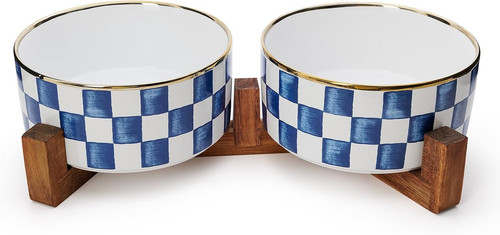
- Checkered ceramic bowl: This 3.5-cup bowl is sized for medium dogs and features a decorative checkered pattern. If you want your dog’s bowl to blend with your kitchen or you simply prefer the feel of ceramic, this is the most visually appealing pick on the list. Ceramic is naturally heavier than stainless, so it’s less likely to tip — but it can still chip or crack if dropped. The bowl is dishwasher safe, but always check for chips or crazing (fine cracks in the glaze), as these can harbor bacteria.
- Basic ceramic bowl: Sold as an XS 4-pack, this is the budget ceramic option. Each bowl holds roughly 1–1.5 cups, making them best for small dogs, cats, or as supplemental bowls (for travel, rotation, or wet food). If you need multiple bowls on a budget, or you’re fostering or feeding several pets, this 4-pack is the most economical path. Like all ceramic, these are best handled with care to avoid chips that can quickly turn into sharp edges.
Ceramic’s main trade-off is durability: even high-fired ceramics are breakable, and once a bowl chips, it should be replaced. However, for dogs that dislike metal (some are put off by the sound or taste), ceramic can be a gentler alternative.
Related Guides
- Our guide to Is Diarrhea a Sign of Dehydration in Dogs? What Owners Should Know
- What Are Dew Claws in Dogs and Why Do They Matter?
- Our guide to How to Apply Flea Treatment on Dogs: A Step-by-Step Guide
- Deshedding Double-Coated Dogs: Tips for a Healthier, Happier Coat
- What Causes Food Allergies in Dogs? Understanding the Key Triggers
- Browse all Product Comparisons →
- Martingale Collar vs Flat Collar: Which Is Better for Your Dog?
- Are Orthopedic Dog Beds Worth It? What the Experts Say
Which bowl type suits your dog — and your kitchen?
If you’re deciding between ceramic and stainless steel, consider your priorities:
- Hygiene and allergies: Stainless steel is less porous and easier to sanitize. For dogs prone to chin acne, allergies, or yeast, a USA-made stainless bowl like the Basis Pet bowls is the safest bet.
- Capacity needs: For large breeds or shared water bowls, the BUILT Dog Bowl offers the highest capacity (64 oz/8 cups) at a budget price, with added anti-slip features.
- Appearance and weight: If you want a bowl that doubles as decor, the Checkered ceramic bowl offers a stylish, medium-sized option. The Basic ceramic bowl 4-pack is best for small dogs or anyone needing several bowls at once, though it’s less decorative.
- Budget: The most affordable choices are the BUILT Dog Bowl (for stainless) and the Basic ceramic bowl (for ceramic), each serving different size categories.
Regardless of material, check your dog’s bowl regularly for chips, scratches, or residue. Even the best bowls need replacing if damaged — a detail emphasized in the CDC’s pet food safety guidance.
When to replace your dog’s bowl, and what to avoid
Any bowl — ceramic or stainless — should be replaced if it develops chips, deep scratches, or persistent stains. Ceramics can harbor bacteria in cracks, while stainless can develop rough spots if gouged. Avoid plastic bowls for most dogs, as these can scratch easily and may leach chemicals over time, especially when exposed to heat or sunlight. If you notice your dog developing chin acne or skin irritation, switching to a premium stainless bowl is often recommended by veterinary dermatologists.
FAQ: Ceramic vs stainless steel dog bowls
Are ceramic or stainless steel bowls safer for dogs?
Stainless steel bowls are generally considered the safest due to their non-porous surface and resistance to bacteria. Ceramic bowls are safe if the glaze is lead-free and the bowl is free of chips or cracks, but they require more frequent inspection for damage.
How often should you replace a ceramic dog bowl?
Inspect ceramic bowls weekly for chips, cracks, or crazing. Even a small chip can harbor bacteria. In homes with active dogs or rough handling, expect to replace ceramic bowls every 1–2 years, or sooner if damage occurs.
Is the price difference between Basis Pet bowls and BUILT Dog Bowl justified?
Basis Pet bowls are made in the USA from premium, food-grade stainless steel and are designed for longevity and safety, which accounts for the higher price. The BUILT Dog Bowl offers large capacity and value, but doesn’t specify the same grade or country of manufacture. If you prioritize long-term durability and material sourcing, the premium is justified; for basic needs, BUILT covers the essentials at a lower cost.
Which is better for large dogs: ceramic or stainless steel?
Stainless steel bowls, like the BUILT Dog Bowl, are better suited for large dogs due to their higher capacity (64 oz/8 cups) and resistance to impact. Ceramics in this list max out at 3.5 cups, which may be too small for big breeds, and are more prone to breaking if knocked over.
Do ceramic bowls help prevent bowl-sliding?
Ceramic bowls are heavier than stainless steel, which can help reduce sliding. However, the BUILT Dog Bowl includes a non-slip base, offering similar stability with the added benefit of durability. If your dog is a vigorous eater, a non-slip stainless bowl may be more reliable long-term.
What should you do if your dog develops chin acne or skin irritation?
If you notice bumps or irritation on your dog’s chin, switch to a high-quality stainless steel bowl, such as the Basis Pet bowls, and clean it daily. Many dogs react to plastic or damaged ceramic, so eliminating these materials often resolves the issue. Consult your veterinarian if symptoms persist, as there may be an underlying condition.
Can you put ceramic and stainless steel bowls in the dishwasher?
All four bowls in this comparison — both ceramic and stainless steel — are listed as dishwasher safe. However, always check ceramic bowls for chips or cracks before washing, as damage can worsen during the cycle. Stainless steel is generally more resilient to repeated high-temperature washes.
Bottom line: Matching the right bowl to your dog and budget
If your priority is hygiene and durability, stainless steel is the clear winner — with the Basis Pet bowls as the premium choice and the BUILT Dog Bowl as the value pick for large or multi-pet homes. For those who prefer the look and weight of ceramic, the Checkered ceramic bowl adds style for medium dogs, while the Basic ceramic bowl 4-pack stretches your budget for smaller dogs or multi-bowl setups. Always inspect bowls for damage, clean regularly, and choose the material that best fits your dog’s habits and your cleaning routine. For more options, browse the latest dog bowls here.
Last updated: July 2026 · How we put guides together