
9 min read
Sunburn isn’t just a human problem. If you’ve ever watched your pale-nosed Labrador sprawl out in the midday sun, or wondered about your short-haired Boxer’s risk during a summer hike, you’re not alone. Owners of light-coated, thin-furred, or hairless breeds worry about painful burns and skin cancer. Those with dark, dense-coated dogs might assume they’re safe — but heat absorption and hidden burns can be just as real. And if you’ve got a puppy, a senior, or a dog recovering from a haircut or skin condition, their risk is even higher. Here’s what matters most: dogs absolutely can get sunburned, and not just in obvious ways. How you protect them depends on breed, age, coat, and your dog’s habits — and the wrong approach can do more harm than good.
Which Dogs Are Most at Risk for Sunburn?
Not all dogs face the same danger from the sun. While any dog can get sunburned, certain breeds and physical traits make some far more vulnerable than others. Understanding your dog’s risk profile helps you choose effective, targeted protection — and avoid overkill or false security.
- Thin or sparse coats: Breeds like Dalmatians, Greyhounds, and Whippets have less natural protection. Hairless and “designer” low-coat breeds (think Chinese Crested, Xoloitzcuintli) are at extreme risk.
- Light or pink skin: Dogs with white or pale fur, especially with pink noses, eyelids, or bellies (Bull Terriers, Pit Bulls, Boxers) burn faster, sometimes in under 30 minutes of midday sun.
- Shaved or clipped dogs: Recently groomed Poodles, Golden Retrievers, and others with undercoat removal have exposed skin — they need more protection after a haircut.
- Puppies and seniors: Young dogs haven’t built up protective pigment or coat thickness; older dogs may have thinning fur or medical conditions that increase risk.
- Dogs with medical conditions: Allergies, mange, or autoimmune disorders can cause hair loss, exposing skin even on “safe” breeds.
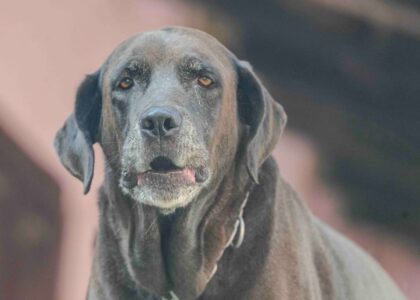
Even breeds with thick, dark coats (like Newfoundlands or Bernese Mountain Dogs) can get sunburned on noses, ears, bellies, and groin — anywhere fur is sparse. The biggest mistake? Assuming your dog’s risk is “low” because of breed alone.
Where and When Do Dogs Get Sunburned?
Sunburn risk isn’t just about lying on the beach. Dogs can get burned in the backyard, during a hike, or even indoors through sunny windows. The most common burn zones are:
- Nose and muzzle: Unpigmented or lightly pigmented noses are extremely vulnerable, especially in breeds like Dalmatians or Australian Shepherds.
- Ears: Floppy or upright, the skin on a dog’s ears is thin and often exposed.
- Belly and inner thighs: Dogs lying on their backs or lounging on reflective surfaces (like concrete, sand, or even poolside tiles) expose these areas.
- Groin and armpits: Sparse fur and naturally thin skin make these spots prone to burns, especially in short-coated breeds.
- Areas with hair loss: Surgical scars, hot spots, or chronic skin issues leave patches with zero UV protection.
Peak risk times are 10am to 4pm, when UVB rays are strongest — but dogs can be burned on overcast days too. High altitude, snow, and water all intensify UV exposure. Even a 20-minute walk at noon can be enough for a sensitive dog to get a mild burn.
Comparing Sun Protection Approaches for Dogs
| Approach | Coverage Area | Protection Level (SPF equivalent) | Duration of Protection | Application Difficulty |
|---|---|---|---|---|
| Dog-Specific Sunscreen | Targeted (nose, ears, belly) | SPF 15–30 | 2–4 hours | Moderate (requires reapplication) |
| Protective Clothing (shirts, bodysuits) | Full torso, legs, neck | SPF 40+ | All day (unless removed) | Easy (slip on/off) |
| Shade Structures (pop-up tents, umbrellas) | Entire body (when used) | SPF 50+ | As long as shade is present | Easy (no contact with dog) |
| Natural Barriers (avoiding peak hours, thick fur left unshaved) | Varies (depends on fur and location) | SPF 8–15 (approximate) | Continuous | Easy |
| Generic Human Sunscreen (NOT recommended) | Targeted | SPF varies | 2–4 hours | Moderate (risk of toxicity) |
Why Human Sunscreen Is a Risky Shortcut
It’s tempting to grab your own sunscreen when you notice your dog’s pink nose. But most human sunscreens contain zinc oxide or salicylates, both of which are toxic if licked. Ingesting even small amounts can cause vomiting or more severe reactions. Dog-specific sunscreens are formulated without these ingredients, but always check the label for pet-safe certification and avoid sprays near the mouth or eyes.
If you absolutely must use a non-dog sunscreen in an emergency, consult your veterinarian first — and never use products with zinc oxide, PABA, or artificial fragrances. For ongoing protection, stick to gear and products designed for canine use.
How to Tell If Your Dog Is Sunburned
Dog sunburn doesn’t always look like a human burn. The most common signs are:
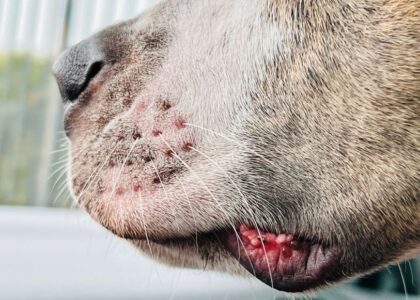
- Red, pink, or tender skin (especially on the nose, ears, or belly)
- Dry, cracked, or peeling skin
- Whimpering or flinching when touched
- Excessive licking or scratching of affected areas
- Blisters or open sores (in severe cases)
Burns often become visible 2–6 hours after sun exposure. Mild cases usually heal with rest and topical care, but more severe burns can lead to infection or long-term skin damage. Dogs with repeated sunburns have a higher risk of developing squamous cell carcinoma, a type of skin cancer.
If you notice oozing, swelling, or signs of pain, seek veterinary care. Never apply human burn ointments or bandages without professional advice.
Breed, Age, and Coat: Tailoring Sun Protection to Your Dog
There’s no one-size-fits-all plan for sun safety. Here’s how to adapt for different breeds and life stages:
- Short-haired, white, or hairless breeds: Prioritise dog-specific sunscreen on noses, ears, and bellies. Consider lightweight UV shirts for extended outdoor time. Limit sun exposure to early morning or late evening.
- Double-coated or dark-furred breeds: Don’t shave the undercoat — it offers natural insulation and UV protection. Focus on protecting noses and ears, and provide shade during hot hours.
- Puppies: Their skin is thinner and burns faster. Use physical barriers (shade, clothing) rather than chemical sunscreens. Supervise closely and avoid midday outings.
- Seniors or dogs with medical conditions: Monitor skin for new bald patches or lesions. Adjust protection as fur thins or health changes. Schedule walks for low-UV times.
- Post-grooming: After a close clip, ramp up protection until hair regrows. Even a “summer cut” can expose skin that’s never seen the sun before.
Always monitor your dog’s behaviour — excessive sunbathing or seeking shade can signal discomfort or underlying health issues.
Related Guides
- Dental Chews for Dogs, Reviewed
- What Type of Brush Is Best for Shedding Dogs?
- How to Apply Flea Treatment on Dogs: Step-by-Step Guide
- Our guide to How to Give Oral Medication to Dogs: A Practical Guide
- What Are Dew Claws in Dogs and Why Do They Matter?
- Why Do Dogs Eat Grass? Understanding This Common Canine Behavior
- Browse all Health & Wellness →
Common Owner Mistakes That Increase Sunburn Risk
Even diligent owners can overlook key details that leave dogs exposed:
- Assuming fur alone is enough. Even thick coats have vulnerable zones (nose, ears, groin).
- Using human sunscreen without checking ingredients. Zinc oxide and PABA are toxic if licked.
- Skipping reapplication. Most pet-safe sunscreens last 2–4 hours, especially if your dog is swimming or rolling.
- Forgetting about reflective surfaces. Pavement, sand, snow, and even water amplify UV exposure.
- Shaving double-coated breeds. This removes natural insulation and increases both burn and heatstroke risk.
- Ignoring overcast days. Up to 80% of UV rays penetrate clouds — burns can happen even when it’s not sunny.
Reviewing your sun safety routine each season keeps your dog protected as their coat, age, and habits change.
Total cost of ownership
Protecting your dog from sunburn isn’t a one-time expense. Factor in these ongoing or hidden costs:
- Dog-safe sunscreen: One tube (100g) typically lasts 1–2 months with daily use on a medium dog — expect to spend $20–$40 per year.
- UV-protective clothing: Shirts and suits need replacement every 1–2 years, especially if your dog is active or grows. Budget $30–$60 per garment, or more for custom sizing.
- Shade structures: Pop-up tents or umbrellas may last 2–3 seasons with regular use but can require replacement after heavy weather or wear. Expect $40–$100 per setup.
- Veterinary care for burns: Mild burns may only need topical treatment, but severe cases can require vet visits ($50–$200 per incident) and prescription medications.
- Grooming adjustments: If you switch to longer trims to preserve UV protection, some groomers may charge extra for hand-scissoring or de-matting — an additional $10–$30 per session.
Factoring in these costs up front helps you choose the right protection — and may save money (and pain) by preventing sunburn-related vet bills later on.for dog-safe sun protection solutions that match your budget and lifestyle.
FAQ: Dog Sunburn and Sun Safety
How fast can a dog get sunburned?
Some dogs, especially those with thin or white coats, can develop mild sunburn in as little as 15–30 minutes of midday sun. Even moderate exposure on a cloudy day can cause burns, especially on the nose and ears.
Dog sunscreen vs protective clothing — which is better for active dogs?
For highly active dogs, lightweight UV-protective shirts or bodysuits offer more consistent coverage, since sunscreen can rub off during play or swimming. However, sunscreen is still needed for exposed areas like the nose and ears, which clothing rarely covers. Many owners use both approaches for all-day outings.on dog sun safety gear to find the right balance for your routine.
Can dogs get sunburned through windows?
Yes, UVB rays that cause sunburn can penetrate some windows, especially in cars or sunrooms. Dogs who nap in direct sunlight indoors may still be at risk, particularly if they have sparse fur or pink skin.
What should I do if my dog gets sunburned?
Move your dog out of the sun immediately. For mild redness, keep the area clean and monitor for blistering or infection. Never apply human ointments without veterinary advice. If you see open sores, swelling, or signs of pain, consult your veterinarian right away.
Are all dog-safe sunscreens waterproof?
No. While some dog-specific sunscreens are water-resistant, most require reapplication after swimming or heavy play. Always check the label for water resistance claims, and reapply every 2–4 hours during extended outdoor activity.to compare formulas with longer-lasting protection.
Does insurance cover sunburn-related vet visits?
Most standard pet insurance policies cover treatment for burns, including sunburn, as an accident or illness. However, coverage may depend on the severity and whether preventive care was neglected. Always check your policy details or ask your provider about exclusions and documentation requirements.
How can I tell if my breed is at high risk?
Check for traits like short, sparse, or white fur, pink skin, or a history of hair loss. Breeds like Dalmatians, Boxers, Bull Terriers, Italian Greyhounds, and Chinese Cresteds are among the most vulnerable. If you’re unsure, consult your veterinarian or look up breed-specific sun safety guidelines from reputable sources such as your veterinary hospital or government health agencies.
Here’s the bottom line: Don’t gamble with your dog’s skin
Sunburn in dogs is more common — and more dangerous — than most owners realise. Breeds, life stages, and grooming choices all matter. Skip the risky shortcuts (like human sunscreen), and invest in real, dog-safe protection that fits your dog’s unique needs and lifestyle. A little prevention saves pain, money, and long-term health risks. Your dog trusts you — don’t let them down when the sun is out.
Last updated: June 2026 · How we put guides together