8 min read
Disclosure: As an Amazon Associate and eBay Partner Network publisher, we earn from qualifying purchases. This doesn’t affect what we recommend or how we describe it.
Plastic bag or clamp-style scooper? The single most important factor in choosing a dog poop scooper is how well it fits your walking routine and your dog’s waste size. A mismatched scooper means more mess, more smell, and more frustration. This guide breaks down the real-world differences between the main types of scoopers, shows how your dog’s size, walking environment, and your own preferences determine the right choice, and highlights key specs that actually matter—so you can enjoy cleaner, easier walks.
Which type of dog poop scooper is right for your walks?
Most dog poop scoopers fall into three broad categories: bag-and-grabber tools, classic clamp jaws, and bag-free rakes or spades. Each has its strengths and weaknesses, and the right choice depends on your dog’s size, your grip strength, and where you do most of your walking.
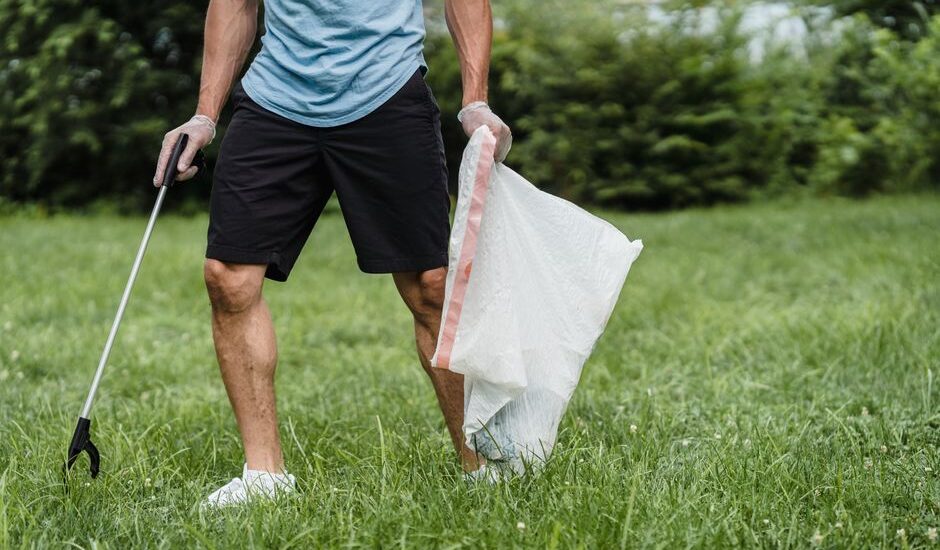
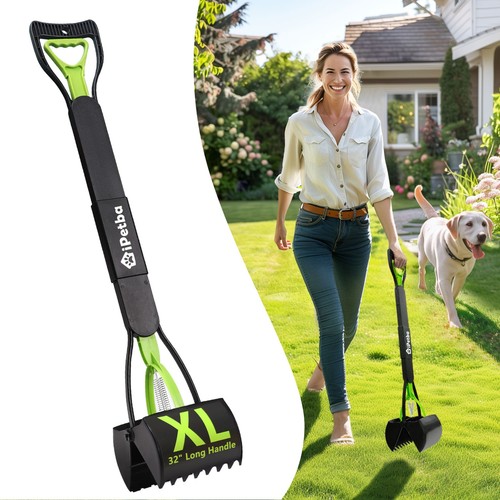
- Bag-and-grabber tools combine a grabbing mechanism with a disposable bag, so you never touch waste and cleanup is fast.
- Clamp jaws use spring-loaded or lever action to close around waste—good for grass and gravel, but can be bulky for walks.
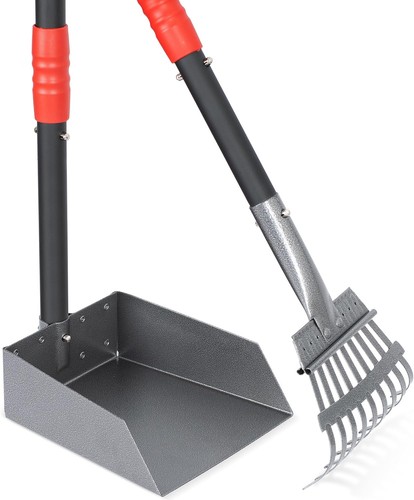
- Rakes/spades with bins are best for yard cleanup rather than walks, but some compact versions work for travel or car use.
Choosing between them means balancing portability, ease of cleaning, and how much contact you’re comfortable with. For regular neighborhood walks, most owners lean toward bag-based grabbers or compact jaw tools, especially for medium and large breeds.
Real-world comparison: dog poop scooper categories side by side
| Option Type | Best For | Capacity | Weight | Portability | Price |
|---|---|---|---|---|---|
| Bag-and-grabber | City walks, multi-dog households | Up to 2 lbs waste | 250–400g | Fits in large jacket pocket | $$ |
| Clamp jaw tool | Large dogs, uneven ground | Up to 1.5 lbs waste | 350–600g | Bulky, hand-carry or clip-on | $$$ |
| Mini rake & bin | Yard use, car trips | 3–4 lbs waste | 500–800g | Not pocketable, needs bag | $$ |
| Flushable bag system | Small dogs, eco-conscious | Up to 0.5 lbs waste | 100–200g | Pocket-size | $ |
| Hands-free foot lever | Backyard, limited mobility | Up to 2 lbs waste | 700–900g | Not walk-friendly | $$$ |
Why dog size and walk environment change everything
Owners of small breeds (under 20 lbs) can usually get away with any scooper style, but for medium and large dogs, especially those producing sizable waste, capacity and grip strength become critical. A clamp jaw tool rated for up to 1.5 lbs of waste will handle a 70-pound Labrador’s output, but may be overkill for a 12-pound terrier.
Urban walkers face a different challenge: bins and rakes are impractical on crowded sidewalks. Bag-and-grabber tools, designed to be used one-handed and pocketed when empty, are the go-to for city dwellers. In contrast, rural or park walkers can use larger, two-handed scoopers since there’s space to carry them and more flexibility in disposal options.
If you walk multiple dogs at once, look for a scooper with at least 2 lbs capacity and a bin that closes securely—nothing ruins a walk like a spill mid-route.
Common owner mistakes—and how to avoid them
Several pitfalls trip up even experienced owners:
- Underestimating capacity: A scooper that’s too small means bag changes mid-walk, especially with big dogs or multiple pickups. Always check the stated capacity (in lbs or liters) and round up for safety.
- Ignoring handle length: Tools with handles under 18 inches force you to bend more, which can be a dealbreaker for those with back or knee issues.
- Choosing the wrong jaw strength: Some clamp jaws are rated for waste up to 1.5 lbs but struggle with dense stools or frozen ground. For tough conditions, seek reinforced jaws or metal-toothed rakes.
- Forgetting about cleaning: Multi-part scoopers with hard-to-reach crevices are magnets for bacteria. If you can’t fully submerge or easily rinse the tool, skip it—especially for homes with children or immunocompromised members.
- Overlooking bag compatibility: Some bag-and-grabber systems require proprietary bags, which can be expensive or hard to find. Look for options that fit standard 9″x13″ waste bags for flexibility.
Want to see what’s available in each category? Compare today’s deals for price tiers and in-stock options that match your needs.
Specifications that actually matter
Capacity (lbs or liters)
This tells you how much waste the scooper can hold before you need to empty or bag it. For a single large-breed dog, a 1.5–2 lb capacity is the practical minimum for most walks. For multi-dog homes or yard duty, aim for 3+ lbs.
Handle length (inches or cm)
Short handles (under 16″) are portable but require more bending. For comfort, especially for tall owners or those with back issues, look for handles 18″ or longer.
Jaw strength (lbs of force)
Clamp-style scoopers vary in how much force they can apply. For dense or frozen waste, jaws rated over 10 lbs of grip force will perform better and last longer.
Bag compatibility (bag size in inches)
If you use a bag-based system, verify it accepts standard 9″x13″ or 11″x15″ bags. Proprietary bags tie you to a single supplier and can add up in cost.
Weight (grams or ounces)
Lighter scoopers (under 400g) are easier for long walks or those with arthritis, but may sacrifice durability. For yard use, heavier tools (up to 900g) offer more leverage and last longer.
How puppies, seniors, and mobility needs affect your choice
If you’re walking a puppy, you can get away with the smallest, lightest scoopers—waste volume is minimal, and a flushable bag system (rated for up to 0.5 lbs) is often enough. For seniors or anyone with grip or mobility challenges, look for hands-free or foot-lever options, or models with ergonomic handles and less than 400g total weight.
For adult dogs, especially athletic or large breeds, prioritize jaw strength and bin capacity. Seniors with softer stools may benefit from scoopers with a squeegee-style jaw, which handles loose waste better than rigid jaws or rakes.
Breed matters, too: deep-chested breeds often have larger, firmer stools—choose reinforced jaws or a wider rake (at least 5″ opening). Tiny breeds are fine with compact bag-and-grabber systems, but toy-specific sizes (under 3″ wide) are rarely needed unless you’re carrying a toy breed in a bag or stroller.
For more on breed-specific waste and health, see the Cornell University College of Veterinary Medicine for stool consistency and health indicators by breed and age.
Related Guides
- Dog Dental Chews That Actually Work: A Guide to Cleaner Teeth
- Our guide to Dog Life Jackets Reviewed: Which Are Truly Safe and Comfortable?
- Our guide to Dog Training Clickers Reviewed: Which Ones Stand Out?
- Surprising Benefits of Daily Dog Walks for You and Your Pet
- The Best Dog Conditioners, Reviewed for Every Coat Type
- Our guide to Dog First Aid Kits, Reviewed and Compared
Odor, hygiene, and the problem with “hands-free” marketing
Many scoopers promise “hands-free” waste collection, but in practice, you’ll still need to handle the outside of the bag or tool eventually. The real question: how easy is it to keep your hands and the scooper itself clean, especially on multi-mile walks or in the car?
Look for scoopers with smooth, non-porous surfaces that rinse clean and dry quickly. Avoid multi-part designs with deep hinges or fabric grips—these trap bacteria and are hard to sanitize. For long walks, consider a scooper with a built-in odor seal or a double-bagging feature, which minimizes smell until you reach a trash bin.
Hygiene is especially important if you walk in areas frequented by children or immune-compromised adults. Always wash tools thoroughly with soap and water after use, and check for cracks or worn areas where bacteria can hide. For more on pet waste and public health, see EPA resources on pet waste management.
FAQ: dog poop scoopers, cleaner walks, and real-world concerns
How often should a dog poop scooper be cleaned?
Ideally, rinse and soap your scooper after every use—especially if it contacts wet, loose, or sticky waste. For daily walkers, a weekly deep clean (soaking in diluted bleach or pet-safe disinfectant) is a good standard. This prevents odor buildup and minimizes bacteria risk.
Clamp jaw vs. bag-and-grabber: which is better for large breeds?
Clamp jaws offer more leverage and typically handle bigger, denser waste (up to 1.5 lbs) from large breeds. Bag-and-grabber tools are faster and more portable but may lack the grip strength for very firm or frozen waste. For big dogs on long walks, a high-capacity clamp jaw is usually the safer bet.
What’s a reasonable weight for a portable scooper?
For walk use, aim for under 400g (about 14 oz) to avoid hand fatigue. Heavier scoopers are fine for yard duty but become a nuisance over long distances. Lightweight plastic or aluminum models balance durability and comfort for most users.
Do all scoopers fit standard waste bags?
No—some require proprietary bags, especially grabber systems with custom-mount bag holders. Always check if your preferred bags (typically 9″x13″) are compatible before buying. Universal-fit tools save money and hassle over time.
How long does a typical scooper last with daily use?
With regular cleaning and normal use, most mid-range scoopers last 12–24 months before hinges, springs, or grips wear out. Metal rakes and reinforced jaws may last longer (up to 3 years), while lightweight plastics can break if dropped or used on rough surfaces.
What’s the return policy for most scoopers?
Return policies vary widely—many online retailers offer 30-day returns, but only for unused or lightly tested tools. Check for manufacturer defect warranties (usually 6–12 months) if you’re concerned about breakage or malfunction. Always keep your receipt and original packaging for hassle-free returns.
What I recommend for cleaner, stress-free walks
The right dog poop scooper is the one you’ll actually use, every time—so prioritize capacity, comfort, and compatibility with your walking routine. For most owners, a bag-and-grabber tool rated for at least 1.5 lbs, with universal bag compatibility and a handle over 16″, covers the widest range of needs. Clamp jaws are ideal for big dogs or tough terrain, while compact, flushable systems work for small breeds and eco-focused owners. Ready to upgrade your walks? See what’s available in each category and pick the tool that matches your life, not just the marketing claims.


Last updated: July 2026 · How we put guides together