
9 min read
Disclosure: As an Amazon Associate and eBay Partner Network publisher, we earn from qualifying purchases. This doesn’t affect what we recommend or how we describe it.
Most guides on stopping dog barking lead with devices—collars, gadgets, alarms—as if the tool alone solves the problem. In reality, the best device for you depends on your dog’s breed, age, environment, and the cause of the barking. Before you spend money on the latest tech, it pays to understand what these devices can (and can’t) do—and which are safest for your particular dog.
Not All Barking Is Created Equal: Start With Why
Barking is a normal canine behaviour. Some dogs bark to alert, some out of boredom, others from anxiety or excitement. The effectiveness—and safety—of any device to stop barking hinges on matching the approach to your dog’s motivation and temperament. For example, a sensitive herding breed may react badly to a device that a stoic guardian breed shrugs off. Addressing the root cause is always more effective than treating barking as a one-size-fits-all issue.
Comparison Table: Bark Control Device Types and Their Key Differences
| Device Type | Best For | Breed/Life Stage Notes | Activation Method | Typical Size Range | Price |
|---|---|---|---|---|---|
| Spray Collar | Moderate barkers, sensitive dogs | Not for toy breeds under 6 lbs or brachycephalics | Sound + vibration sensor | 8-28″ neck | $$ |
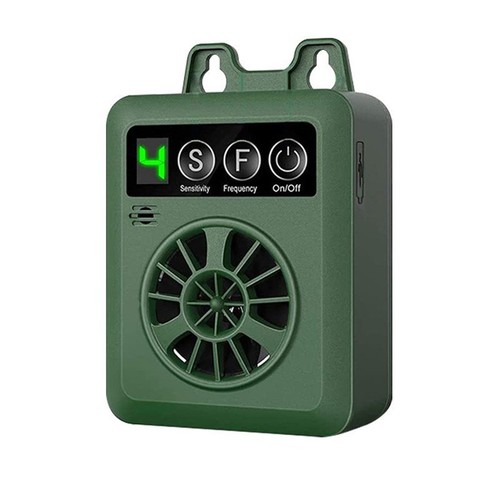
| Sound/Ultrasonic Device | Indoor use, multiple dogs | Not effective for hearing-impaired or stubborn breeds | Microphone (bark detection) | — | $ |
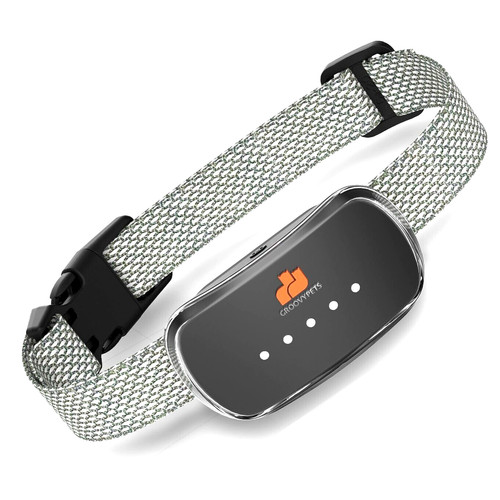
| Vibration Collar | Smaller breeds, puppies over 6 months | Not for fearful or anxious dogs | Sound + vibration sensor | 7-25″ neck | $$ |
| Static Correction Collar | Large, strong-willed breeds | Never for puppies under 12 months or seniors | Sound + vibration sensor | 10-30″ neck | $$$ |
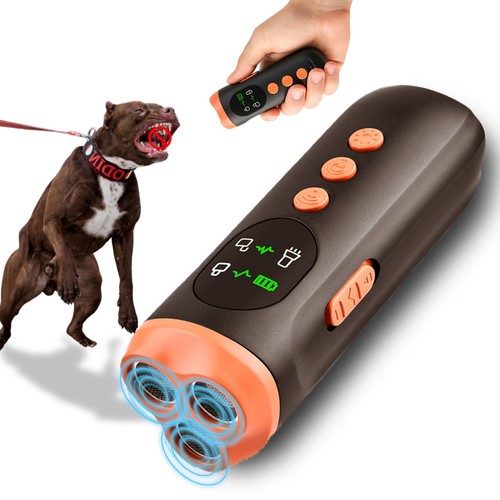
| Handheld Deterrent (Ultrasonic/Spray) | On-leash training, walks, travel | Handler must be present; not for unsupervised use | Manual | — | $ |
| Barrier Device (Indoor/Outdoor) | Yard boundary, doorways | May affect all dogs in range, not just target | Microphone (bark detection) | Covers 15-50 ft radius | $$ |
$ / $$ / $$$ indicates budget / mid-range / premium relative to the picks above. Check live listings further down for current prices.
Related Guides
- Agility Starter Kits for Dogs: How to Choose the Right Set
- The Best Dog Conditioners, Reviewed for Every Coat Type
- Why Do Dogs Sleep Under Beds? Understanding This Common Behavior
- Our guide to Dog Heating Pads for Arthritis: What to Know Before You Buy
- Our guide to Dog Heating Pads That Actually Work: Our Honest Guide
- Our guide to Front-Clip vs Back-Clip Harnesses: Which Is Better for Your Dog?
Why Matching Device to Dog Matters More Than Brand
Picking the right device isn’t just about price or convenience. The best solution for a stubborn Malinois may be completely inappropriate for a sensitive Italian Greyhound. For example, static correction collars are sometimes recommended for large, high-drive breeds with persistent barking issues, but they’re never appropriate for puppies under 12 months, seniors, or dogs with anxiety. Spray collars, on the other hand, can be a gentle deterrent for moderate barkers but may startle dogs with short noses or respiratory issues.
Breed-specific quirks matter. Terriers often ignore ultrasonic devices, while toy breeds may be overwhelmed by collars designed for larger dogs. Herding and working breeds tend to habituate quickly, so any device needs to be introduced with a clear training plan, not left to run unsupervised. Always check size ranges; most collars are adjustable, but neck sizes under 8″ or over 28″ often require specialty options.
When Devices Work—and When They Fail
No device is a substitute for training, exercise, and environmental enrichment. Devices can interrupt barking, but if your dog is barking from boredom or separation anxiety, the barking will likely return once the device is removed. Even the most advanced bark collars work best as a short-term aid alongside behaviour modification—not as a permanent fix.
Sound and ultrasonic devices are popular because they’re easy to deploy and don’t require physical contact, but their effectiveness varies wildly by breed and even by individual dog. For example, hounds and terriers with a strong prey drive often ignore ultrasonic deterrents. Vibration collars can work for noise-sensitive dogs, but many quickly learn to bark through the vibration if their motivation is strong enough.
Handheld devices (spray or ultrasonic) give you real-time control, making them ideal for training sessions or correcting barking on walks. However, they require you to be present and consistent. Automatic barrier devices, which emit a deterrent sound or spray when barking is detected, can help in multi-dog households or open yards but may inadvertently affect non-barking dogs nearby.
Safety First: What to Know Before Using Any Bark Control Device
Safety depends on both the device and your dog’s health and age. Puppies under six months should never wear any bark collar—most manufacturers set a minimum weight of 6-8 lbs and a minimum age of 6 months. For static correction collars, the minimum age is usually 12 months, and they’re not recommended for seniors or dogs with heart or neurological conditions.
Brachycephalic breeds (like Bulldogs or Pugs) are at risk with any collar-based device that restricts airflow or startles them. Spray collars, while generally safe, can cause respiratory irritation in these breeds. Always check for adjustable sensitivity and intensity levels—look for devices with at least three settings so you can tailor the correction to your dog’s tolerance.
Fit is crucial. A collar that’s too loose won’t activate reliably; too tight can cause chafing or injury. Most adjustable collars fit necks between 8-28″. For dogs outside this range, especially small breeds under 6 lbs or giant breeds over 120 lbs, consult a behaviourist for alternatives.
For more on device safety and animal welfare, see the RSPCA’s position on training aids.
Beginner’s pre-purchase checklist
- Weigh your dog and measure neck circumference (in inches) to confirm device compatibility—most collars fit 8-28″, but always check specs.
- Check your dog’s age. Never use static correction collars on dogs under 12 months or over 10 years.
- Observe your dog’s barking triggers—note if barking is due to separation, excitement, fear, or boredom. Choose a device that matches the cause, not just the symptom.
- Assess household dynamics. In multi-dog homes, avoid devices that may punish non-barking dogs (e.g., barrier or ultrasonic devices with wide range).
- Review any medical issues—avoid spray collars for dogs with respiratory problems, and all collars for dogs with skin sensitivities or open wounds.
- Test your dog’s reaction to new stimuli (gentle sound, vibration) in a controlled setting before committing to a device.
- Read the manufacturer’s minimum weight and age recommendations—never “size up” a collar meant for larger dogs.
FAQ: Real Questions About Bark Control Devices
How long does it take for a bark control device to show results?
Most owners notice some effect within the first 3-7 days, but lasting change requires consistent use and reinforcement with training. If barking persists beyond two weeks, reassess the cause and consider consulting a certified trainer.
Are spray collars or vibration collars safer for small breeds?
Spray collars and vibration collars can both be safe for small breeds provided the collar fits properly and the dog is over the minimum weight (usually 6 lbs). However, always avoid collars on toy breeds with respiratory issues or severe anxiety.
What are the risks of ultrasonic devices in homes with multiple dogs?
Ultrasonic devices emit a sound that all dogs in range can hear, not just the barking dog. This can cause confusion or stress in non-barking dogs, especially if they are sensitive to sound. Use with caution in multi-dog households and monitor all dogs for signs of distress.
Static correction vs. spray collars—what works better for stubborn barkers?
Static correction collars are often more effective for large, strong-willed breeds that ignore milder deterrents, but they come with higher risk of stress or injury if misused. Spray collars may work for moderately stubborn dogs, but persistent barkers often habituate to the sensation.
How do I know if a bark collar is too tight or too loose?
A properly fitted collar should allow you to slip two fingers between the collar and your dog’s neck. If the device rotates or slips off, it’s too loose; if you can’t fit your fingers, it’s too tight. Always check fit after the first few uses, as straps can stretch or shift.
Can I use a bark control device on a puppy under 6 months?
No. Puppies under 6 months are not physically or emotionally mature enough for bark control collars. Early use can cause fear and interfere with normal social development. Focus on positive training and environmental management until your puppy is older.
What if my dog barks through the device—should I increase the intensity?
Never increase intensity as a first step. First, check for proper fit and ensure the device is triggering only when your dog barks. If the problem persists, consult a trainer—escalating intensity can increase anxiety and make barking worse.
Are there any warranty or return issues I should watch for?
Most reputable devices offer a 30- to 90-day return window, but policies vary. Check for exclusions—some brands void the warranty if the device is used on dogs outside the recommended weight or age range. Always keep your receipt and original packaging until you’re sure the device is right for your dog.
Practical Tips for Integrating Devices with Training
The most effective bark control programs combine devices with positive reinforcement. Reward quiet behaviour before the device activates and provide plenty of exercise and mental stimulation. For dogs with separation anxiety or compulsive barking, devices may suppress symptoms but won’t resolve underlying issues—consider professional help for complex cases.
Rotate or vary devices if your dog becomes habituated. For example, alternate between a spray collar and a handheld ultrasonic device during different training sessions. Remember, no device replaces your presence and consistency.
For more on humane training methods and device alternatives, see this behaviourist-led resource.
Bottom Line: Devices Are Tools, Not Magic Bullets
No device, no matter how advanced, will stop barking in every dog or every situation. The best results come from matching the device to your dog’s size, age, and temperament—and using it as part of a broader training plan. Always prioritise safety, fit, and humane use. If in doubt, consult a qualified trainer before introducing a new device. For most owners, a well-chosen bark control device is a short-term solution that buys you time to address the real reasons your dog is barking. See what’s available or compare today’s deals to find a match for your dog’s needs.

Last updated: July 2026 · How we put guides together