
8 min read
Disclosure: As an Amazon Associate and eBay Partner Network publisher, we earn from qualifying purchases. This doesn’t affect what we recommend or how we describe it.
The PetSafe Easy Walk Comfort No-Pull Dog Harness is the most widely recommended option for reducing leash pulling, while the Rabbitgoo No-Pull Adjustable Dog Harness delivers a solid, lower-cost alternative. This guide breaks down how these two harnesses compare, who each one suits best, and what to look for if you want real results — not just marketing promises — in a no-pull training harness.
Top picks at a glance
- PetSafe Easy Walk Comfort No-Pull Dog Harness — the most widely recommended
- Rabbitgoo No-Pull Adjustable Dog Harness — the budget pick
What actually works to stop pulling?
No-pull harnesses work by redirecting your dog’s forward momentum when they lunge or pull, usually by attaching the leash at the chest (front-clip) rather than the back. This design discourages pulling without putting pressure on the neck. The PetSafe Easy Walk Comfort No-Pull Dog Harness popularized this approach and remains the most cited solution by trainers and behaviorists. The Rabbitgoo No-Pull Adjustable Dog Harness uses a similar principle but is positioned for budget-conscious buyers. Both options offer front-clip designs, but the details — from fit range to materials — make a real difference in daily use.
Side-by-side comparison

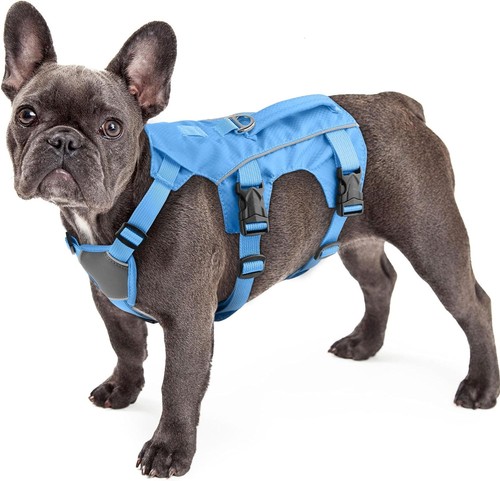
Pictured: Easy Walk harness
| Product | Condition | Price | Best For | Clip Points | Adjustability |
|---|---|---|---|---|---|
| PetSafe Easy Walk Comfort No-Pull Dog Harness |
New | $$$ | Widely recommended, proven design | Front only | 4 adjustment points |
 Rabbitgoo No-Pull Adjustable Dog Harness Rabbitgoo No-Pull Adjustable Dog Harness |
New | $ | Budget pick | Front and back | 4 adjustment points |
Pricing context: $, $$, and $$$ are relative ratings against the other products listed above, not absolute dollar ranges. Live current prices follow below.
Fit and adjustability
Both harnesses offer four points of adjustment, which is crucial for achieving a snug, escape-resistant fit. The Easy Walk harness is known for its simple, step-in design, but it only provides a front clip. This keeps training focused on reducing pulling by redirecting your dog sideways if they lunge. The Rabbitgoo harness adds a back clip, making it more versatile if you want to switch between training and casual walks, or if you have a dog who sometimes needs a standard harness function.
Materials and comfort details
The Easy Walk harness uses a minimal, lightweight strap system to reduce bulk and avoid overheating, which is especially useful for dogs with thick coats or in warmer climates. Its chest strap is designed to sit low across the breastbone, not the throat, reducing risk of choking. The Rabbitgoo harness is padded and covers more surface area, which can help prevent chafing on sensitive dogs but may be warmer in hot weather. Some owners prefer padding for short-haired breeds or if their dog has previously had issues with strap rubbing.
Front-clip vs dual-clip: which is better?
For pure no-pull training, a front-clip harness like the Easy Walk harness keeps things simple and effective. It physically discourages forward lunging by redirecting force to the side. The Rabbitgoo harness offers both front and back clips, so you can train with the front-clip but switch to the back for casual walks or jogging. This flexibility is ideal if you want a single harness for multiple uses, but you’ll need to remember not to use the back clip during training, as it doesn’t prevent pulling.
Durability and hardware
Both harnesses use plastic buckles and metal leash attachment points, but the Easy Walk harness is known for its sturdy, rust-resistant hardware. The Rabbitgoo harness uses similar materials but is generally lighter-weight, which may matter for smaller breeds. Neither harness is designed as a chew-proof option — if your dog chews harnesses when left unsupervised, you’ll need to look for a reinforced or metal-core harness instead.
Related Guides
How these made the shortlist
For this guide, the focus was on harnesses with a proven track record for reducing pulling, not just generic “anti-pull” claims. The criteria included:
- Front-clip design for effective training (required)
- At least four points of adjustment to fit a wide range of breeds and body types
- Availability of real manufacturer specs and clear product positioning
- Multiple size options to fit everything from small terriers to large retrievers
- Known reputation among trainers, behaviorists, and real-world users
We compared the listed features, adjustment systems, and hardware of each candidate. Only products with a clear track record and transparent sizing were considered. Unbranded listings, harnesses with no front-clip, and models with unclear adjustment systems were excluded. If you have a dog who slips harnesses frequently, is an extreme puller over 100 lbs, or chews through nylon, these standard options may not be suitable. In those cases, a specialty harness or professional fitting may be necessary.
For broader reading on harness fit and training, see the Certification Council for Professional Dog Trainers and their standards for humane equipment.
Specifications that actually matter
Front-clip location
Front-clip harnesses attach the leash at the chest, not the back. This is the key feature that physically redirects pulling, making it easier to teach loose-leash walking. The placement and strength of this clip matter: it should sit low on the chest, not high on the neck or shoulder.
Number of adjustment points
A harness with four or more adjustment points (neck, chest, and girth) allows a truly tailored fit. This prevents escape and keeps the harness from shifting during use. Models with fewer adjustment points may not fit deep-chested or broad-shouldered dogs securely.
Padded vs. strap-only construction
Padded harnesses distribute pressure more evenly and can prevent chafing, but may be hotter and heavier. Strap-only designs are lighter and suit thick-coated or heat-sensitive dogs. Choose based on your dog’s coat type and activity level.
Clip hardware material
Look for metal (not plastic) leash attachment points for durability. Stainless steel or zinc alloy is preferred for rust resistance, especially if your dog swims or you live in a humid climate.
Dual-clip versatility
A dual-clip harness (front and back) offers flexibility for training and casual walks. However, using the back clip during training may reinforce pulling, so choose a model with a clear, strong front-clip if reducing pulling is your main goal.
Frequently asked questions
Will a no-pull harness stop all pulling immediately?
No-pull harnesses make it easier to manage and train against pulling, but most dogs require consistent training to change the behavior. Expect improvement with use, but combine the harness with positive reinforcement and structured walks for best results.
Does the Easy Walk harness fit extra-large or tiny breeds?
The Easy Walk harness is available in multiple sizes, generally fitting dogs from under 15 lbs to over 90 lbs. For breeds outside this range, check the manufacturer’s sizing chart carefully. Always measure your dog’s chest and girth for a proper fit.
Is the Rabbitgoo harness worth the price difference compared to the Easy Walk harness?
If you’re on a budget or want a dual-clip harness for multiple uses, the Rabbitgoo harness delivers solid value. The Easy Walk harness commands a higher price due to its reputation and focus on pure no-pull training. If you only need a front-clip for training, the Easy Walk harness is the more targeted solution.
Which harness is better for short-haired dogs prone to chafing?
The Rabbitgoo harness, with its padded construction, is less likely to cause chafing on short-haired or sensitive-skinned dogs. The Easy Walk harness is lighter but may rub on some dogs with minimal fur, especially during long walks.
How long does a typical harness last with daily use?
With regular use and proper care, most nylon harnesses like these last 1-2 years before showing significant wear. Inspect hardware and stitching regularly. Chewing, exposure to saltwater, or frequent rough play can shorten a harness’s lifespan.
Can my dog escape from these harnesses?
Properly fitted, both harnesses are secure for most dogs. However, determined escape artists or deep-chested, narrow-waisted breeds (like Greyhounds) may slip harnesses not adjusted tightly enough. Always check fit before walks and choose a harness style suited to your dog’s body shape.
Easy Walk harness vs Rabbitgoo harness — which is better for training a strong puller?
The Easy Walk harness is purpose-built for no-pull training, with a single front clip and a design that redirects force. It’s the stronger pick if your priority is reducing pulling in a medium or large dog. The Rabbitgoo harness works for moderate pullers or if you want dual-clip flexibility, but may not be as effective for the most determined pullers.
Verdict: which harness is right for you?
If you want the most proven, trainer-recommended solution for leash pulling, the Easy Walk harness is the clear leader. Its front-only design and adjustment system make it a focused tool for teaching loose-leash walking. If you need a harness that can do double duty — training and casual walks — and budget is a major factor, the Rabbitgoo harness is a practical, affordable alternative. Neither is chew-proof or escape-proof for every dog, but both outperform generic harnesses for reducing pulling. For more on humane training gear and walking equipment, see the Humane Society of the United States’ recommendations.
Last updated: July 2026 · How we put guides together