
7 min read
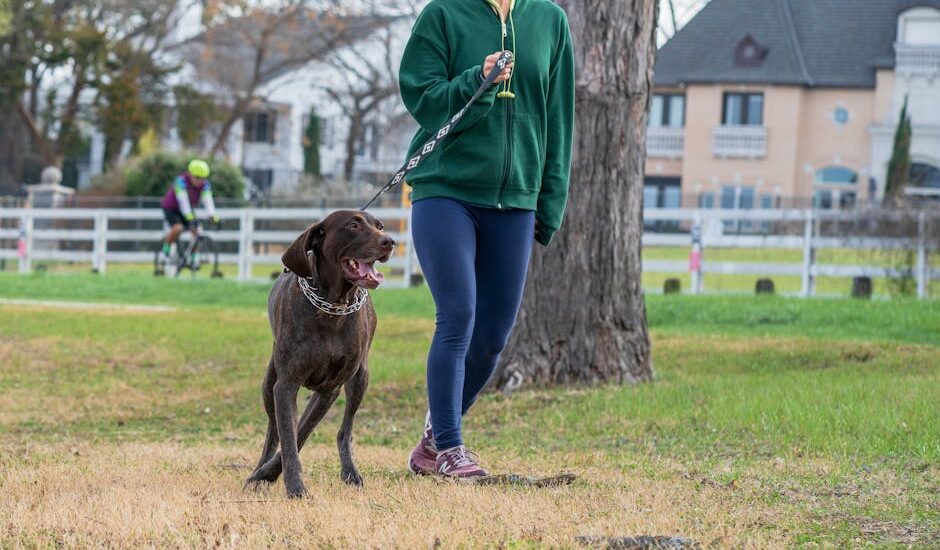
Teaching a dog to heel isn’t just about obedience — it’s about safety, control, and building a relationship where walks feel effortless instead of stressful. Whether you’re wrangling a 70-pound adolescent who drags you toward every squirrel, or guiding a small, reactive rescue who spins circles at the end of the leash, “heel” means something different for every dog and owner. Some need strict competition-style precision; others just want their dog to stop pulling and walk calmly by their side. The best approach depends on your dog’s breed, age, and temperament — and on what “heel” actually needs to look like for your real life.
What most heel-training guides get wrong
Many heel-training instructions assume your dog is food-motivated, distraction-free, and genetically inclined to focus. In reality, breeds bred for independence (think Huskies, Beagles, or Shibas) will test your patience. Herding breeds may “heel” so closely they trip you. Puppies have a five-second attention span. Seniors may lag or lose interest. If you want real-world results, you need to adapt your technique — and your expectations — to your dog’s specific traits, not just follow a one-size-fits-all script.
Which “heel” style fits your needs? (Comparison table)
| Approach | Best For | Typical Leash Length | Precision Level | Training Time (weeks) |
|---|---|---|---|---|
| Formal/Competition Heel | Obedience sports, working breeds | 1-1.5 meters | Very high (dog’s shoulder aligned with knee, close attention) | 8-12+ |
| Loose-Leash Heel | Everyday walks, most family dogs | 1.2-2 meters | Moderate (dog walks at side, mild slack allowed) | 2-6 |
| Urban/Close Control | City walking, reactive dogs | 0.8-1.2 meters | High (tight to side, minimal lead space) | 4-8 |
| Hands-Free Heel | Jogging, multitasking owners | 0.8-1.5 meters (waist leash) | Moderate (dog stays within arm’s reach) | 4-10 |
| Puppy Foundation Heel | Puppies under 6 months | 1-1.5 meters (lightweight leash) | Low (basic position, focus on engagement) | 1-4 |
How to teach dogs to heel: step-by-step process
- Pick the right environment. Start indoors or in a quiet, fenced yard with minimal distractions. This sets your dog up for success before you add the chaos of the real world.
- Prepare high-value rewards. Use pea-sized treats with a strong smell, or a favorite toy if your dog is not food-driven. Keep at least 20 rewards per session in a treat pouch or pocket.
- Position your dog at your side. Most dogs heel on the left, but consistency matters more than side. Hold the leash in your right hand, reward hand by your left knee.
- Mark and reward eye contact. Say your dog’s name. When they glance up, immediately mark (“yes” or click) and give a treat at your knee. Repeat until your dog reliably looks up expecting a reward.
- Take one step, then mark and reward. With your dog’s attention, step forward. As soon as your dog moves with you in position, mark and reward. Build up to 3-5 steps before each reward.
- Add the “heel” cue. Once your dog is consistently moving with you at your side, say “heel” just as you step off. Mark and reward for correct position. Repeat, gradually increasing the number of steps before rewarding.
- Increase difficulty gradually. Add distractions one at a time: new rooms, backyard, then quiet sidewalks. Keep sessions short (5-10 minutes) and end on a success.
- Phase out treats slowly. Once your dog can heel in low-distraction settings, start rewarding every other step, then every third, then randomly. Always praise verbally.
Compare today’s deals on training tools to support your sessions — from treat pouches to hands-free leashes built for urban walks.
Breed quirks that change the game
Not all dogs learn “heel” at the same pace. Retrievers and herding breeds often pick up heel quickly, especially if you make it a game. Sighthounds may lag behind, preferring to explore. Brachycephalic breeds (like French Bulldogs or Pugs) tire easily and may struggle on long walks. Giant breeds are physically strong but often mentally slow to mature, so expect a longer training window. For scent hounds, expect to reinforce “heel” around every bush — their noses will override training unless you make yourself more interesting than the environment.
Toy breeds, on the other hand, may walk behind you or dart in front, making traditional heel less natural. Adjust your expectations: for some, a “close walk” is more realistic than a textbook heel. Consider leash width (under 1cm for dogs under 4kg, 1.5-2cm for dogs up to 15kg, 2cm+ for larger dogs) and handle comfort for extended sessions.
See what’s available in leash and harness options designed for specific breed sizes and strengths.
Common mistakes that sabotage heel training
- Starting outdoors too soon: Most dogs will fail if you begin on a busy street. Master the skill indoors first.
- Using low-value treats: Kibble rarely motivates a distracted dog. Opt for cooked chicken, cheese, or a favorite toy for best results.
- Inconsistent leash handling: Switching hands, letting the leash tighten, or allowing the dog to cross in front confuses your dog about where “heel” actually is.
- Too-long training sessions: Most dogs lose focus after 5-10 minutes. Multiple short sessions beat one marathon walk.
- Not rewarding enough early on: You should be delivering a treat every 2-3 steps when starting out — up to 30 treats in a 10-minute session is normal for beginners.
View available options for reward pouches and high-value treat storage to streamline your practice.
Related Guides
- Our guide to A No-Nonsense Guide to the Best Flea Collars for Dogs
- Dewormers for Dogs 2026: Tried, Tested and Reviewed
- Best ID Tags for Dogs 2026: Our Top Picks
- Best Joint Care Supplements for Dogs 2026: Our Top Picks
- Our guide to Dental Chews for Dogs, Reviewed
- What Type of Brush Is Best for Shedding Dogs?
- Browse all Training & Behaviour →
Total cost of ownership
Teaching “heel” isn’t just a one-time investment in a leash. Expect ongoing costs:
- High-value treats: Training-grade treats can run $60-$150 per year, depending on frequency and dog size.
- Replacement leashes: Active training (especially with chewers or pullers) often wears out 1-2 leashes annually, at $15-$40 each.
- Harnesses or specialty collars: Dogs prone to pulling or with breed-specific needs may require upgraded gear every 1-2 years, costing $25-$60 per replacement.
- Professional trainer sessions: If you need outside help, group classes range from $100-$300 per course, with private sessions running higher.
- Enrichment toys: To reinforce calm walking, budget $30-$80 yearly for puzzle toys or chews that keep your dog engaged between walks.
FAQ: Real-world questions about heel training
How long does it take to teach a dog to heel?
For most dogs, expect 2-6 weeks of consistent daily training for a reliable loose-leash heel in low-distraction areas. Formal, competition-level heeling can take several months or longer. Puppies and highly independent breeds may need extra time.
Loose-leash walking vs. formal heel — which is better for family dogs?
Loose-leash walking is usually sufficient for everyday life. It allows your dog moderate freedom while preventing pulling. Formal heel is only necessary for competition or high-control situations. Most owners find loose-leash heel easier and more sustainable.
What if my dog ignores treats during walks?
If your dog won’t take treats outside, your distractions are too high or your treats aren’t valuable enough. Try training indoors, then gradually increase difficulty. Experiment with higher-value rewards or use short play sessions as incentives.
Can I teach heel with a retractable leash?
Retractable leashes are not recommended for heel training. They encourage pulling and inconsistent positioning. Use a fixed-length leash (1-2 meters) to give clear, repeatable feedback during training.
Is heel training safe for puppies and seniors?
Yes, but adjust your sessions. Puppies under 6 months should practice heel for only a few minutes at a time to avoid frustration. Seniors may need shorter walks and more frequent breaks, especially if mobility is an issue. Always monitor for signs of fatigue or stress.
What should I do if my dog lunges or barks at other dogs during heel?
Reactivity complicates heel training. Use distance to manage triggers and reward calm behavior at your side. For persistent issues, consult a professional trainer experienced with reactivity — some dogs need a tailored desensitization plan.
Are there warranties or guarantees on training gear?
Most basic leashes and harnesses have limited warranties, typically covering manufacturing defects for 6-12 months. Chew damage or wear-and-tear is rarely covered. Always check the seller’s return policy, especially for harnesses, as fit issues are common.
The spec almost nobody talks about: handler consistency
No amount of specialized gear or expensive treats can compensate for inconsistent cues from the person on the other end of the leash. Dogs thrive on predictability: same word, same hand, same pace, every time. If multiple family members walk your dog, agree on a single cue (“heel” or “with me”), side preference, and reward schedule. Inconsistency is the #1 reason heel training fails, regardless of breed or age.
For further reading on evidence-based dog training methods, see the New Zealand Association of Professional Dog Trainers, which offers robust resources on humane, science-backed approaches.
Bottom line: your heel, your rules
The best “heel” is the one that fits your life, your dog, and your environment. Don’t chase competition-level precision unless you need it. For most owners, a loose leash, a happy dog, and a stress-free walk beat textbook perfection every time. Invest in the right tools, respect your dog’s breed and energy level, and above all, stay consistent. That’s how you turn “heel” from a chore into a shared language.
Last updated: July 2026 · About our research