8 min read
Disclosure: As an Amazon Associate and eBay Partner Network publisher, we earn from qualifying purchases. This doesn’t affect what we recommend or how we describe it.
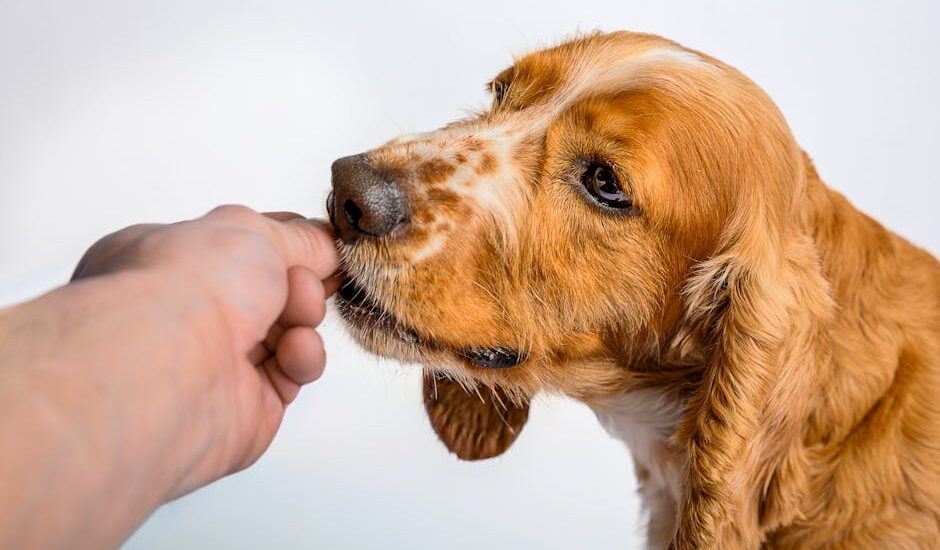
Hide a small pill in a soft treat, or gently insert it at the back of your dog’s tongue and follow with praise and a treat. These are the two fastest, most reliable ways to give oral medication to dogs—but the right approach depends on your dog’s size, breed, temperament, and the specific medication prescribed. This guide breaks down practical methods, real-world trade-offs, and common mistakes, so you can get the medicine in without stress (for either of you).
Choose the right delivery method for your dog
Not all dogs—or medications—respond to the same tricks. Some dogs will swallow anything wrapped in a bit of cheese, while others are champion pill detectors. The physical form of the medication (tablet, capsule, liquid, chewable) and your dog’s willingness to eat unfamiliar foods both affect your odds of success. For small breeds, even the size of the pill can be a barrier, while some large breeds can gulp a hidden pill in one bite.
Veterinarians often recommend “pill pockets” or hiding medication in high-value food, but these options aren’t always possible: some pills can’t be given with food, and some dogs are on restricted diets. For stubborn cases, direct administration by hand may be required. Below, you’ll find a detailed comparison of the main approaches, with specifics that actually matter when you’re standing in your kitchen at 7 a.m. with a skeptical dog and a pill bottle.
Compare the main ways to give oral medication to dogs
| Approach | Best for | Works with | Success rate | Time required |
|---|---|---|---|---|
| Food wrap (treat, cheese, etc.) | Food-motivated dogs | Tablets, capsules | 70-90% | 30-60 sec |
| Pill pocket treat | Picky eaters, restricted diets | Tablets, capsules | 60-85% | 30-60 sec |
| Hand administration (pilling) | Dogs that spit out treats | Tablets, capsules | 80-95% (with practice) | 30-90 sec |
| Pill gun/piller tool | Uncooperative or large dogs | Tablets, capsules | 85-98% | 30-60 sec |
| Liquid syringe | Small dogs, puppies, liquids | Liquid meds | 80-95% | 30-60 sec |
| Crushed in food (vet-approved only) | Dogs refusing pills, non-coated meds | Crushable tablets | Varies (50-80%) | 60-120 sec |
How to give a dog oral medication: step-by-step
- Check medication instructions. Confirm if the pill can be given with food or must be administered on an empty stomach. Some medications lose effectiveness if split, crushed, or combined with dairy or certain treats.
- Prepare your supplies. Gather the pill, a treat or pill pocket (if using), a small syringe of water (optional), and a towel for restraint if needed. Wash your hands to avoid transferring odors.
- Choose your method. For food-motivated dogs and food-safe pills, hide the pill in a soft treat or specially designed pill pocket. For direct administration, hold the pill between your thumb and index finger.
- Position your dog securely. For small dogs, place them on a non-slip surface. For large dogs, have them sit or stand with their back against a wall. Calmly hold their upper jaw with one hand and gently tilt the head upward.
- Administer the medication. For the treat method, offer a “blank” treat first, then the treat with the pill, followed by another “blank” treat. For hand pilling, open your dog’s mouth, place the pill as far back on the tongue as possible, release the jaw, and gently hold the mouth closed while stroking the throat or blowing on the nose to encourage swallowing.
- Reward and observe. Immediately reward your dog with praise or a favorite treat. Watch for a few minutes to ensure the pill isn’t spit out. Offer a sip of water if appropriate.
Spot the difference between pill forms and their challenges
Tablets and capsules are the most common oral medications, but their size, coating, and taste can vary dramatically. Chewable medications are specifically flavored to encourage voluntary eating, but not all dogs are fooled. Liquid medications, often prescribed for puppies or very small breeds, require careful dosing—usually 0.1–5 mL per dose—using a syringe. Always confirm with your vet whether a medication can be split, crushed, or hidden in food, as some (like certain antibiotics or time-release pills) must remain intact to work safely.
For dogs that refuse everything, compounding pharmacies can sometimes provide flavored liquid or chewable versions. However, these are more expensive and may not be available for every medication.
Check current prices for pill pockets, pilling devices, and other dog medication tools.Breed, age, and personality: what makes giving medication easier or harder?
Breed size and mouth shape affect your technique. Brachycephalic breeds (like Bulldogs and Pugs) can be harder to “pill” by hand due to short muzzles and tight lips. Toy breeds often require smaller pill sizes or liquid forms, as even standard pills can risk choking. Large breeds generally tolerate hand administration but may need firmer restraint if they’re resistant.
Age matters, too. Puppies and seniors can have more sensitive mouths or missing teeth, which may make chewable or liquid forms preferable. Seniors, especially those with cognitive decline, may become suspicious of new foods or routines, requiring more patience and creativity.
Personality is the wild card. Food-motivated dogs are often the easiest to medicate, while anxious or suspicious dogs may require extra time and positive reinforcement. If your dog has a history of resource guarding, avoid food-based tricks and consult a professional for safe handling tips.
Related Guides
- Our guide to How to Give Oral Medication to Dogs: A Practical Guide
- Our guide to Dental Chews for Dogs, Reviewed
- What Type of Brush Is Best for Shedding Dogs?
- Our guide to What Are Dew Claws in Dogs and Why Do They Matter?
- Why Do Dogs Eat Grass? Understanding This Common Canine Behavior
- Our guide to Why Do Dogs Get the Zoomies After a Bath?
Common mistakes—and how to avoid them
- Crushing pills without veterinary approval: Some tablets are coated or time-released for a reason. Crushing can render them ineffective or even dangerous.
- Using inappropriate foods: Cheese, peanut butter, or other fatty treats can interfere with certain medications. Always check for contraindications, especially with heart or thyroid meds.
- Rushing the process: Dogs sense stress. Take your time, use a calm voice, and prepare treats or tools in advance.
- Not confirming the swallow: Some dogs are experts at hiding pills in their cheek or spitting them out later. Watch your dog for at least a minute after administration.
- Skipping doses after a failed attempt: Missing a dose can affect treatment. If you have trouble, call your vet for alternatives or compounding options.
Specifications that actually matter
Pill size and shape
Tablets over 10 mm can be difficult for small breeds to swallow, while capsules may stick to the tongue if not coated. Always ask your vet if a smaller or scored version is available for easier dosing.
Palatability (flavoring)
Chewable or flavored medications can increase voluntary intake rates up to 90%, but some dogs remain suspicious. Look for flavor profiles (beef, chicken, fish) that match your dog’s preferences.
Administration tool length
Pill guns or pillers are typically 5–6 inches long. This is sufficient for larger breeds, but for smaller breeds, a shorter tool may be safer to avoid gagging or injury.
Syringe volume for liquids
Liquid medications should be dosed with a syringe appropriate to the volume—never use a 10 mL syringe for a 0.5 mL dose, as accuracy suffers. For tiny dogs, 1 mL syringes give better control.
Food compatibility
Some medications must be given on an empty stomach, while others require food to prevent nausea. Always check the “with or without food” specification before hiding a pill in a treat.
FAQ: What real dog owners ask about medicating dogs
How long does it take for a dog to swallow a pill after giving it?
Most dogs will swallow a pill within 10–30 seconds of administration, especially if followed by a treat or a sip of water. Always watch for at least a minute to ensure the pill isn’t spit out later.
Is it better to use a pill pocket or hide a pill in regular food?
Pill pockets are designed to mask the taste and texture of medication, which can improve acceptance, especially for bitter pills. However, some dogs do just as well with a small piece of cheese or meat, provided the medication is food-compatible.
Can I crush my dog’s medication and mix it with food?
Only crush a pill if your veterinarian confirms it’s safe—many tablets are coated for stomach protection or timed release. Crushing can change how the medication is absorbed or cause stomach upset.
What should I do if my dog keeps spitting out the pill?
If your dog repeatedly spits out pills, try a different method: use a pill gun, switch to a liquid form if available, or ask your vet about compounded flavors. Sometimes changing the treat or using positive reinforcement training can help.
Are pillers (pill guns) safe for all dogs?
Pillers are generally safe when used correctly, especially for medium and large breeds. For very small dogs or brachycephalic breeds, use extra care to avoid injury, and never force the tool if your dog resists violently.
How do I know if the medication can be given with food?
The prescription label or accompanying instruction sheet should state if the medication must be given with or without food. When in doubt, call your vet or check reputable sources like the FDA for medication-specific guidance.
What if I miss a dose—should I double up next time?
Never double up a missed dose unless your veterinarian instructs you to do so. For most medications, you should give the next dose at the scheduled time and note the missed dose for your vet’s records.
Why getting medication in matters more than the method
At the end of the day, the best method is the one that gets the full dose into your dog with the least stress for both of you. Some dogs will always need creative tricks or special tools, and that’s perfectly normal. Consistency, patience, and a willingness to adapt your approach are what matter most. If you run into trouble, ask your vet for alternatives—there’s almost always another way to get your dog the care they need.


Last updated: July 2026 · How we put guides together