Disclosure: As an Amazon Associate and eBay Partner Network publisher, we earn from qualifying purchases. This doesn’t affect what we recommend or how we describe it.
8 min read
What most dog owners don’t realise until they try one: not every dog activity tracker is a good fit for every dog. Some are too bulky for small breeds, others can’t handle the battering from high-energy working dogs, and a surprising number struggle with accuracy if your dog spends half his day napping on the couch. The best dog activity tracker is the one that fits your dog’s size, lifestyle, and your own goals—whether that’s managing a senior’s weight, tracking a puppy’s wild energy, or keeping tabs on an escape artist’s location. But with dozens of trackers promising everything from GPS to sleep analytics, it’s easy to get lost in marketing claims. Here’s what actually matters when comparing your options—and how to find the tracker that’ll work for your real-world needs. For more detail, see FDA animal veterinary section.
What Sets Dog Activity Trackers Apart: Not Just Step Counters
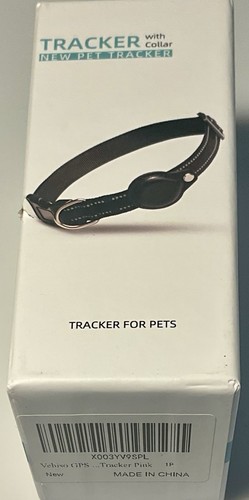
The most important distinction is that not all trackers serve the same purpose. Some are true fitness monitors, logging steps, calories burned, and rest periods. Others double as GPS devices, able to pinpoint your dog’s location if they slip the leash. A few offer health trend tracking—think sleep quality, scratching frequency, or even heart rate, though this last feature is rarely reliable on furrier or smaller dogs. Before you even look at models, decide: do you want a fitness tracker, a GPS locator, health analytics, or a mix? It’s rare to find one device that does everything well, especially below $100. For more detail, see Consumer Product Safety Commission homepage.
When you want a brand-new unit with the full warranty, Amazon’s catalogue is usually the deepest.
Find on Amazon →The Comparison Table: Dog Activity Trackers by Real-World Needs
| Buying Profile | Best for Breed/Size | Tracking Capabilities | Battery Life (days) | Water Resistance | Monthly Fees | Notable Limitations |
|---|---|---|---|---|---|---|
| Lightweight fitness tracker | Dogs under 20 lbs, toy/small breeds | Steps, calories, rest | 20-30 | IPX7 (submersible) | No | No GPS, limited data for long-haired coats |
| Rugged GPS + activity combo | Active, medium-large breeds (25-90 lbs) | GPS, steps, distance, sleep | 10-14 | IP68 (dustproof, submersible) | Yes ($5-10/mo) | Bulky for necks under 13″ |
| Budget step counter | Any breed, casual tracking | Steps, activity time | 30+ | Water-resistant (splash only) | No | No GPS, basic app, unreliable on fluffy coats |
| Escape artist GPS tracker | Hounds, Huskies, outdoor dogs | Live GPS, geofence alerts | 2-5 | IP67 (rain, accidental submersion) | Yes ($7-15/mo) | Short battery, requires cell coverage |
| Health trend tracker | Senior dogs, breeds prone to joint/skin issues | Sleep, scratching, licking, rest | 7-10 | IPX6 (heavy rain) | No | No GPS, limited fitness data |
| Puppy-safe soft tracker | Puppies 8+ weeks, toy breeds | Basic steps, play time | 14-21 | IPX5 (water jets) | No | Not chew-proof, small range |
How to Match Tracker Features to Your Dog’s Real Needs
Choosing the right tracker isn’t about picking the one with the most features—it’s about matching features to your dog’s breed, age, and lifestyle. For example, a GPS tracker with real-time location updates is invaluable for off-leash explorers and escape-prone breeds like Huskies or Beagles, but overkill for a city-dwelling senior pug. Conversely, a senior Labrador with mobility issues benefits far more from a tracker that logs sleep interruptions and daily activity trends, helping you spot subtle declines in health.
For toy breeds and puppies, weight matters: anything above 25 grams (0.9 oz) can feel cumbersome, and a tracker wider than 2.5cm (1″) may rub against their neck. For large, rough-and-tumble breeds, prioritize IP68 water resistance and a minimum drop rating of 1.2 meters—otherwise, expect to replace your tracker after the first muddy romp.
Breed and Life-Stage: What Actually Matters
Trackers are not one-size-fits-all. Here’s how breed and age should shape your decision:
- Toy & Small Breeds (under 15 lbs): Avoid bulky units. Look for trackers under 25 grams and less than 2.5cm wide. Too large, and they’ll interfere with play and sleep.
- Active/Working Breeds: Prioritise ruggedness—IP68 water resistance, secure attachment (double-locking or screw-on), and battery life of 10+ days. GPS is useful if your dog is off-leash regularly.
- Puppies: Choose flexible, lightweight trackers with rounded edges. Avoid anything with a hard clasp or parts that could be chewed off.
- Seniors: Look for trackers with sleep and inactivity monitoring. Step counts matter less than trends in restlessness or changing activity patterns.
- Thick-Coated Breeds: Opt for trackers that sit flush against the collar and use three-axis accelerometers—these are more accurate through thick fur than older, single-axis step counters.
GPS Tracking: When Is It Worth the Ongoing Cost?
Real-time GPS trackers require a monthly subscription because they use cellular networks. For most suburban or urban dogs, this is overkill unless you have a true escape risk. But for rural properties, hiking, or breeds known for wandering (think Scent Hounds, Huskies, or any dog that’s bolted after a squirrel), GPS can be a literal lifesaver.
That said, GPS models are heavier (typically 35-50 grams), require charging every 2-10 days, and may not work in remote areas with poor cell coverage. The best use is for dogs over 20 lbs who genuinely roam or for peace-of-mind if your property isn’t fenced. For strictly indoor or leashed dogs, stick to Bluetooth or WiFi-based trackers—no monthly fees, and much better battery life.
What Most Owners Get Wrong About Activity Data
The biggest mistake: treating daily step counts as gospel. Unlike human pedometers, dog trackers estimate steps and calories based on general algorithms that can overcount with scratching, rolling, or even vigorous tail wagging. Accuracy is best when the tracker is snug against the collar (two fingers’ width is ideal) and worn consistently. For thick-coated dogs, expect a 10-20% margin of error—track trends, not exact numbers.
Another common error is expecting a tracker to diagnose health issues. While changes in activity or sleep can be early warning signs, no consumer-grade tracker replaces veterinary insight. Use the data as a conversation starter, not a substitute for hands-on checks.
Safety and Comfort: Avoiding the Most Common Pitfalls
Any tracker should be both chew-proof and water-resistant, but these are not universal. For dogs under 15 lbs, avoid trackers with sharp or protruding charging ports. For outdoor dogs, IP67 or higher water resistance is a must—anything less means the tracker won’t survive puddles or rainstorms. Check attachment style: double-locking clips or screw-on mechanisms are less likely to pop off in play. Lastly, for night walks, look for trackers with integrated LED lights or reflective elements—some models offer up to 200 meters of nighttime visibility.
Owner Experience: App Quality and Data Access
It’s not just about the hardware. The difference between a tracker you’ll use and one that collects dust is the app. Look for activity trackers with data that’s easy to export (CSV or PDF), customisable daily goals, and the option to share reports with your vet. Bluetooth syncing range should be at least 10 meters (33 feet), and GPS trackers should offer live map updates within 30 seconds. Beware trackers that lock data behind paywalls or require premium subscriptions for basic features.
Affiliate Decision Points: Where to Compare or Buy
- Ready to see which lightweight tracker fits your small dog? Check current prices.
- Need a rugged, GPS-enabled tracker for your off-leash explorer? View available options.
- Looking for a health trend tracker for your senior? Compare today’s deals.
When you want a brand-new unit with the full warranty, Amazon’s catalogue is usually the deepest.
Compare Options on Amazon →Frequently Asked Questions About Dog Activity Trackers
How accurate are dog activity trackers compared to human fitness trackers?
Dog activity trackers use accelerometers similar to human fitness devices, but canine movement is more variable. Expect a 10-20% margin of error, especially for breeds with unusual gaits or thick coats. They’re best used to monitor trends over time, not precise step counts.
Can an activity tracker help me manage my dog’s weight?
Yes, but only as part of a bigger picture. Trackers can show daily movement and calories burned (rough estimates), which helps set exercise goals. For weight loss, combine tracker data with portion control and regular weigh-ins—always consult your vet before making major diet changes.
Do all dog activity trackers need a monthly subscription?
No. Fitness-only trackers and Bluetooth-based models usually have no ongoing fees. Real-time GPS trackers almost always require a subscription, which covers cellular data costs for live location tracking.
Are dog activity trackers safe for puppies?
Most are safe from 8 weeks onward, provided they’re lightweight (under 25 grams), have rounded edges, and attach securely. Avoid trackers with small detachable parts or charging ports that a puppy could chew off.
How often do I need to charge a dog activity tracker?
Battery life varies widely. Simple step counters may last 20-30 days between charges, while GPS trackers often need charging every 2-10 days. Frequent syncing or live tracking will drain batteries faster.
Can I use the same tracker for multiple dogs?
Not simultaneously—most trackers link to a single dog profile. Some apps allow you to manage multiple dogs by purchasing additional trackers, but each device tracks only one pet at a time for accurate data.
Bottom Line: The Best Tracker Is the One That Fits Your Reality
Don’t be swayed by flashy features you’ll never use. The best dog activity tracker is the one matched to your dog’s size, lifestyle, and your actual needs—whether that’s GPS for the escape artist, a featherlight tracker for your toy breed, or health insights for your senior. Prioritise fit, comfort, and meaningful data over bells and whistles. When in doubt, start simple: a tracker you’ll actually use beats a “smart” device that ends up in the drawer.
Related Guides
- Our guide to Is Diarrhea a Sign of Dehydration in Dogs? What Owners Should Know
- Our guide to How to Help Your Dog Relax Around Your Cat: A Step-by-Step Guide
- Our guide to Slow Feeders vs Puzzle Feeders: Which Is Better for Your Dog?
- Tips for Managing a 1-Year-Old, 8-Month-Old Dog’s Behavior and Training
- What Are Dew Claws in Dogs and Why Do They Matter?
- Browse all Buying Guides →