8 min read
Disclosure: As an Amazon Associate and eBay Partner Network publisher, we earn from qualifying purchases. This doesn’t affect what we recommend or how we describe it.
Most dog shedding brushes look similar, but the difference between a tool that simply moves hair around and one that actually gets to the undercoat is night and day. The best shedding brush for your dog isn’t just about pulling out loose fur—it’s about getting the right tool for your dog’s coat type, grooming tolerance, and even your own comfort level. Use the wrong brush, and you risk irritating your dog’s skin, missing huge amounts of undercoat, or spending twice as long on a task that should take five minutes. Here’s how to cut through the hype and find the brush that will actually make a difference for both you and your dog. For more detail, see Dog coat types and structure.
Which Shedding Brush Design Works for Your Dog’s Coat?
Shedding brushes aren’t one-size-fits-all. The right design depends on whether your dog has a double coat, a wiry topcoat, short sleek fur, or long feathering. For example, a double-coated breed like a Husky or Golden Retriever sheds from the undercoat, so you need a tool that can reach beneath the top layer without scratching the skin. In contrast, a smooth-coated dog like a Boxer or Whippet will benefit from a brush that lifts loose hair without much resistance. Here’s how the main brush types break down:
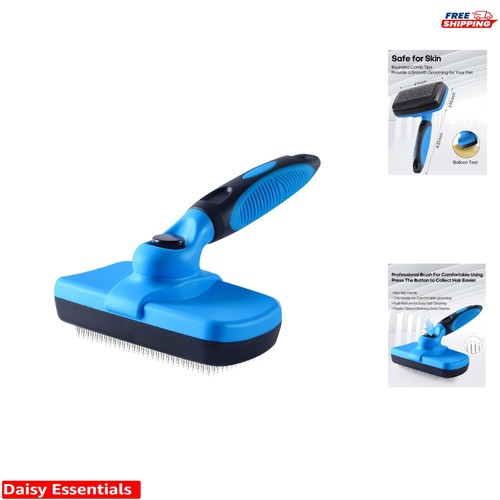
- Slicker brushes: Fine wire bristles on a flat or curved base. Great for long-haired or curly breeds, but can irritate sensitive skin if used with too much pressure.
- Deshedding rakes: Wide-toothed metal combs that reach into thick undercoat. Essential for double-coated breeds, but too aggressive for short or delicate coats.
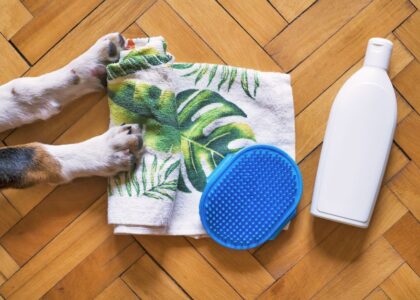
- Rubber curry brushes: Soft, flexible nubs. Ideal for short-haired dogs and sensitive skin. Also work well in the bath to massage and lift out dead fur.
- Pin brushes: Rounded pins set in a cushion. More for finishing and fluffing than serious deshedding, but helpful for longer coats that tangle easily.
Choosing the right type is the foundation for effective grooming. Using a rake on a smooth-coated dog can scratch their skin, while a curry brush won’t do much for a dense undercoat.
When you want a brand-new unit with the full warranty, Amazon’s catalogue is usually the deepest.
Find on Amazon →Comparison Table: Shedding Brush Options by Dog Type and Owner Needs
| Buying Profile | Best Brush Type | Coat Length/Type | Skin Sensitivity | Time to Groom (per session) | Ideal For |
|---|---|---|---|---|---|
| Double-Coated Heavy Shedder | Deshedding rake | Medium/long, dense undercoat | Moderate (avoid sharp teeth) | 10–20 min | Husky, Golden Retriever, German Shepherd |
| Short-Haired Sensitive Skin | Rubber curry brush | Short, single coat | High (gentle nubs) | 3–7 min | Boxer, French Bulldog, Pit Bull |
| Long-Haired Tangle-Prone | Slicker brush | Long, fine, or curly | Medium (avoid pressing hard) | 10–15 min | Poodle, Collie, Maltese |
| Budget-Friendly All-Rounder | Basic pin brush | Medium/long, straight | Low/medium | 7–12 min | Spaniel, Setter, mixed breeds |
| Puppy or Elderly Dog | Soft-bristle brush | Any, but delicate skin | Very high (ultra-soft) | 3–5 min | All breeds (young or senior) |
| Travel or Quick Clean-Up | Palm mitt or glove | Short to medium, low tangle | High (gentle massaging) | 2–5 min | On-the-go, nervous dogs |
Breed-Specific Shedding: Why Huskies and Labs Aren’t the Same
Not all “shedding” is created equal. A Labrador Retriever blows coat twice a year, dropping clumps of dense undercoat, while a Pug sheds small hairs year-round. Double-coated northern breeds (think Malamute, Akita) need a deshedding rake with teeth spaced 1–2mm apart and at least 2cm long to reach through thick topcoat. For breeds with feathered legs and tails (like Setters), a slicker brush with fine, flexible wires is less likely to snag and hurt sensitive areas.
Short-haired breeds with single coats (Dachshund, Greyhound) often resent metal tools—here, a rubber curry brush with nubs at least 5mm tall does the job. For breeds with wiry or curly fur (Terriers, Poodles), regular brushing with a slicker (with bent wire pins) helps prevent matting and keeps shedding manageable.
Know your dog’s coat structure before choosing a brush. Using a heavy-duty rake on a smooth-coated breed is not just ineffective—it can cause micro-abrasions and make grooming a battle.
How to Tell If a Shedding Brush Is Actually Working
The real test: after a five-minute session, you should see a visible reduction in loose fur on your dog and less hair on your furniture the following day. For double-coated breeds, you’ll pull out tufts of undercoat, not just surface fuzz. For short-haired breeds, you’ll see fine hair collected on the brush or glove, but the skin should never look red or irritated. If your dog flinches, avoids the brush, or if you need to “dig” to get results, something’s wrong—either the brush type, technique, or frequency.
Well-designed brushes have bristles or teeth long enough to reach the undercoat (at least 10–20mm for big shedders), with rounded tips or smooth nubs to prevent scratching. If your brush clogs instantly, it’s likely too fine for your dog’s coat. If it barely picks up hair, it’s not making contact with the shedding layer.
See what’s availableCommon Owner Mistakes When Brushing Shedding Dogs
- Using a people hairbrush: These don’t reach the undercoat or grip short fur, so you’ll miss most of the shed hair.
- Brushing too infrequently: For heavy shedders, once a week isn’t enough—daily or every other day is standard during peak shedding season.
- Pressing too hard: Excess pressure leads to skin irritation, especially with slickers and rakes. Always let the bristles or teeth do the work.
- Ignoring sensitive areas: Behind the ears, belly, and tail base collect shed fur and mat quickly. Use a softer tool or your fingers in these spots.
- Skipping brush cleaning: Dirty, clogged brushes don’t work. Remove hair after each session and wash the brush regularly (many can be rinsed with mild soap and water).
Safety Considerations: Preventing Brush Burn and Skin Irritation
Even the best shedding brush can cause problems if used incorrectly. Avoid tools with sharp, unrounded metal edges—look for rakes and slickers with protective tips. For puppies, seniors, or dogs with thin skin, always start with the gentlest brush (soft bristle or rubber curry) and work up as tolerated. Never use a deshedding rake on the face, ears, or belly—these areas are too delicate.
Limit sessions to 10–15 minutes for most dogs, and check the skin every few strokes. Any sign of redness, flaking, or discomfort means it’s time to stop. If your dog has hot spots, wounds, or skin conditions, consult your vet before brushing—some tools can aggravate these issues. And always supervise children using grooming tools to prevent accidental injury.
Shedding Brush Sizing and Handle Ergonomics: What Actually Matters
Brushes for large breeds should have a brushing surface at least 8cm wide to cover more area, while small-breed brushes should be 4–6cm for better control. For thick-coated breeds, choose teeth or bristles at least 15mm long. Handles with non-slip grips and a length of 10–13cm reduce hand fatigue during longer sessions. If you have arthritis or limited grip strength, look for palm-style mitts or brushes with wide, easy-to-hold handles.
For multi-dog households, consider a set with different brush types and sizes—one size rarely fits all, especially if you have both a double-coated and a smooth-coated dog.
View available optionsPuppies, Seniors, and Dogs Who Hate Being Brushed
Young puppies and senior dogs often have more sensitive skin, so a soft-bristle or rubber curry brush is safest. For dogs who squirm or try to escape, grooming gloves or mitts (with flexible rubber nubs) can feel like petting rather than brushing. For anxious dogs, start with short sessions—just a minute or two—and reward with treats.
If your dog has a negative association with brushing (hides, growls, or nips), try switching brush types. Sometimes the tool, not the dog, is the problem. Introduce the brush gently, and never force a session—building positive associations is key to long-term success.
When you want a brand-new unit with the full warranty, Amazon’s catalogue is usually the deepest.
Compare Options on Amazon →FAQs: Shedding Brushes for Dogs
How often should I use a shedding brush on my dog?
Frequency depends on breed and season. Double-coated breeds typically need brushing every other day during peak shedding, while short-haired breeds may only need weekly sessions. Heavy shedders can benefit from daily grooming in spring and fall.
Can I use a shedding brush on a puppy?
Yes, but choose a soft-bristle or rubber curry brush to avoid irritating delicate puppy skin. Keep sessions short and gentle to build a positive association with grooming.
Why does my dog’s skin get red after brushing?
Redness usually means too much pressure or using the wrong tool. Switch to a gentler brush, use lighter strokes, and avoid brushing over the same spot repeatedly. If redness persists, stop and consult your vet.
Are deshedding rakes safe for all breeds?
No—deshedding rakes are best for double-coated breeds with thick undercoats. They can be too harsh for short-haired or thin-skinned dogs, causing irritation or injury.
What’s the difference between a slicker brush and a pin brush?
Slicker brushes have fine, bent wires for removing tangles and loose undercoat, while pin brushes have rounded pins and are better for finishing and fluffing long coats. Slickers are more effective for serious deshedding.
Can I use a shedding brush on a wet dog?
Some brushes, like rubber curry brushes, work well on wet fur and help massage shampoo into the coat. Metal rakes and slickers can tug on wet fur, so use them only on dry coats to avoid discomfort and breakage.
Bottom Line: Pick the Brush That Matches Your Dog’s Coat and Tolerance
The best dog shedding brush is the one that fits your dog’s coat type, size, and skin sensitivity—no single tool works for every dog. For thick double coats, a deshedding rake with rounded tips is essential. For smooth-coated or sensitive dogs, stick to rubber curries or soft bristles. Always watch your dog’s reaction and adjust your technique or tool as needed. Invest in a well-designed brush and regular grooming becomes faster, more effective, and far more pleasant for both of you.
Related Guides
- Top Dog GPS Collars That Actually Work
- Dog Toothbrushes and Toothpastes That Actually Work
- Dog Cooling Mats That Actually Work: Top Picks for Hot Weather Relief
- Dog Car Barriers That Actually Work: Our Top Picks for Safe Travels
- Dog Cooling Vests That Actually Work: Our Honest Reviews
- Browse all Buying Guides →