8 min read
Disclosure: As an Amazon Associate and eBay Partner Network publisher, we earn from qualifying purchases. This doesn’t affect what we recommend or how we describe it.
Dental disease is the most common health issue in adult dogs, affecting over 80% by age three—yet most toothbrushes and toothpastes marketed for dogs aren’t designed for real-world use or canine behaviour. The right combination isn’t just about “pet-safe” ingredients or bristle softness: it’s about finding tools that actually work for your dog’s jaw shape, mouth size, and temperament. Skip the wrong fit, and you’ll struggle to reach the back teeth or end up with a toothpaste your dog refuses to tolerate. Here’s what experienced owners and veterinary dental techs know about choosing the best dog toothbrush and toothpaste—plus how to match them to your dog’s breed, age, and routine. For more detail, see Dog dental care basics.
Comparing Top Dog Toothbrush and Toothpaste Profiles
| Profile | Best For | Brush Size/Shape | Toothpaste Texture | Ingredient Safety | Ease of Use | Price Range |
|---|---|---|---|---|---|---|
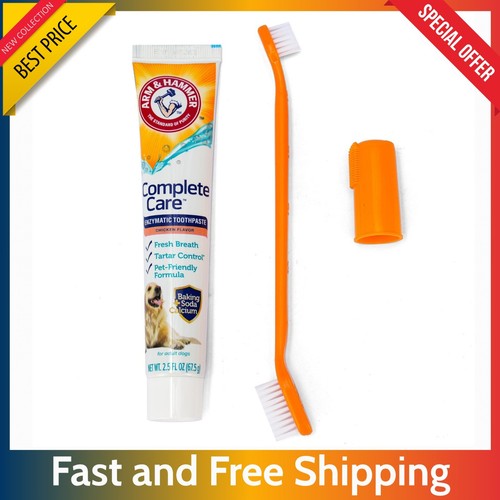
| Finger Brush & Enzyme Paste Combo | Puppies, toy breeds, dogs new to brushing | Short, flexible silicone tip (fits fingers 16–24 mm diameter) | Gel, low-foam | Free of xylitol, alcohol, artificial dyes | Very high for small mouths; less effective for large breeds | $8–$15 |
| Dual-Head Angled Brush & Poultry-Flavour Paste | Medium/large breeds, adult dogs with established routine | Two heads: 1.5 cm and 2.2 cm, angled for molars | Pasty, moderate foam | Edible, grain-free, often with mild abrasives | Good for most adult mouths; some resistance to strong flavours | $12–$20 |
| Ultra-Soft Triple Head & Hypoallergenic Paste | Senior dogs, brachycephalic breeds, sensitive gums | Triple head, 1.8 cm each, wraps around tooth | Non-foaming, smooth cream | No poultry/beef, minimal additives, vet-formulated | Excellent for dogs with dental pain; may be bulky for toy breeds | $15–$28 |
| One-Handed Handle Brush & Water-Additive Paste | Owners with dexterity issues, dogs who resist brushing | Long handle (15–18 cm), ergonomic grip | Liquid or spray, no-rinse | Generally safe but check for zinc or chlorhexidine | Quickest for uncooperative dogs; less thorough clean | $10–$22 |
| Budget Flat Brush & Basic Paste | Multi-dog households, budget-conscious buyers | Flat head, 1.2–2 cm, basic bristles | Pasty, basic flavour | Simple formulas, sometimes include artificial sweeteners | Good for easygoing dogs; may miss back molars | $5–$10 |
Amazon tends to carry the widest range of new models with same-week delivery — useful when you’ve already picked your shortlist.
Compare on Amazon →Why Toothbrush Fit and Head Shape Matter for Different Breeds
One-size-fits-all dog toothbrushes simply don’t exist. A brush that works for a Border Collie’s long jaw will feel like a broomstick in a French Bulldog’s mouth. For small breeds under 10 lbs, a finger brush with a silicone tip (typically 1.2–1.5 cm long) allows you to reach tight spaces without hurting delicate gums. For large breeds (think Labradors, German Shepherds), you’ll need a brush with a head at least 2 cm long and preferably angled—straight brushes rarely reach the back molars, which are most prone to tartar buildup.
Brachycephalic (flat-faced) breeds like Pugs and Bulldogs present a unique challenge: their crowded mouths mean a triple-head brush (with heads that wrap around the tooth) can clean more surface area in one pass, reducing stress for dogs who dislike handling. For dogs with long muzzles (Collies, Greyhounds), a longer handle (16–18 cm) gives you the reach to get to the last molars without straining your wrist.
What Actually Makes a Dog Toothpaste Safe?
Not all “pet-safe” claims are equal. The single most important rule: never use human toothpaste, which almost always contains xylitol (toxic even in small doses), sodium lauryl sulfate, and fluoride. A genuinely safe dog toothpaste should clearly state it’s xylitol-free, alcohol-free, and free of artificial dyes—read the ingredient list, don’t trust front-of-tube marketing.
Look for enzymatic formulas, which use enzymes like glucose oxidase or lactoperoxidase to break down plaque—these are widely recommended by veterinary dentists and are safe for dogs to swallow. Hypoallergenic pastes are best for dogs with food allergies or sensitive stomachs; these typically skip poultry, beef, and common grain fillers. If your dog has a history of pancreatitis or GI upset, prioritise pastes with short ingredient lists and no added fats.
Matching Toothbrush and Toothpaste to Your Dog’s Age and Temperament
Puppies (under 6 months) have sensitive gums and small mouths, so a soft silicone finger brush paired with a mild, non-foaming gel is ideal. Most puppies tolerate gentle mint or chicken flavours, but avoid strong scents or abrasive pastes. For senior dogs, especially those with missing teeth or gum disease, an ultra-soft triple-head brush reduces pressure points and cleans around irregular tooth lines. Pair it with a hypoallergenic, non-foaming cream to avoid mouth irritation.
For adult dogs with established routines, a dual-head angled brush (with head sizes around 1.5–2.2 cm) and a poultry- or beef-flavoured enzymatic paste usually provide the best plaque removal. If your dog hates brushing, consider a handle brush that accepts liquid or spray pastes—while not as thorough, this allows for quick swipes on resistant dogs. Always tailor your brush/paste combo to your dog’s tolerance: the best tool is the one you can use consistently.
Common Owner Mistakes: What to Avoid with Dog Dental Care
Two errors crop up more than any other: using human toothpaste (which can be acutely toxic) and using the wrong brush size. A brush head that’s too large can bruise gums or miss crevices; too small, and you’ll spend twice as long brushing. Another frequent mistake is skipping daily brushing in favour of dental chews—chews help, but even the best can’t replace mechanical brushing, especially for dogs prone to tartar.
Many owners also misunderstand “edible” toothpastes: these are safe to swallow, but if your dog eats half a tube, GI upset is likely. Always supervise, and store toothpaste out of reach. Finally, watch for ingredient creep—some budget pastes now include artificial sweeteners or zinc, which can accumulate and cause toxicity in sensitive dogs.
How Often Should You Replace Your Dog’s Toothbrush?
Plan to replace your dog’s toothbrush every 3–4 weeks for finger and flat brushes, or sooner if the bristles show fraying or discolouration. For triple-head and angled brushes, inspect monthly—if the heads lose shape or the handle cracks, swap it out. Using a worn brush risks gum injury and reduces cleaning efficacy. For multi-dog households, never share brushes between dogs (bacteria transfer is real).
Practical Tips for Brushing Uncooperative Dogs
For dogs who hate brushing, start by letting them lick the toothpaste off the brush for several days before attempting to brush. Use a finger brush for the first week, then graduate to a handle brush if tolerated. Keep sessions under 60 seconds, and always end with a high-value treat. If your dog snaps or panics, use a water-additive paste and aim for 2–3 swipes per session—partial brushing is better than none.
Some owners find success by brushing after exercise, when the dog is tired and less reactive. For toy and brachycephalic breeds, consider brushing in a well-lit area with a second person gently restraining the dog’s chest—not the neck—to reduce stress.
Amazon tends to carry the widest range of new models with same-week delivery — useful when you’ve already picked your shortlist.
Compare Options on Amazon →FAQ: Real Owner Questions about Dog Toothbrushes and Toothpaste
Can I use baking soda to brush my dog’s teeth?
While baking soda is sometimes suggested as a DIY solution, it’s not recommended for dogs. It tastes unpleasant, can irritate the mouth, and is not safe to swallow in quantity. Stick to enzymatic dog toothpastes designed for canine digestion.
How do I introduce tooth brushing to a puppy?
Start by letting your puppy sniff and lick the brush and paste for a few days. Then, gently rub the gums with your finger before progressing to a soft finger brush. Keep sessions very short (30–45 seconds), and reward with treats after each attempt.
What if my dog swallows the toothpaste?
Dog-formulated toothpastes are made to be swallowed in small amounts during brushing. However, eating large amounts (such as chewing up the tube) can cause mild stomach upset. Always supervise and store toothpaste out of reach.
How often should I brush my dog’s teeth for best results?
Daily brushing is ideal, but 3–4 times per week is the minimum to see meaningful reduction in plaque and tartar. Consistency matters more than perfection—pick a routine you can stick to long term.
Can I use a child’s toothbrush on my dog?
In a pinch, a soft-bristled child’s brush (under 2 cm head) can work for some dogs, but the bristle shape and handle angle aren’t optimised for canine mouths. Dedicated dog brushes are safer and more effective for reaching molars and gum lines.
Is it safe to use human toothpaste if it says “natural”?
No—many human toothpastes, even “natural” ones, contain xylitol or other unsafe ingredients for dogs. Always use toothpaste specifically formulated for dogs, regardless of labelling claims on human products.
When to Seek Professional Dental Cleaning Instead
Even with the best brush and paste, some dogs accumulate tartar faster than you can remove it at home. If you notice persistent bad breath, visible brown tartar, or gum redness, it’s time to consult your vet for a professional cleaning. Home care is preventive—not a substitute for veterinary dental exams, especially for senior dogs or breeds prone to dental disease (like Dachshunds, Yorkies, and Poodles).
For dogs with advanced dental issues or those who resist all attempts at home brushing, your vet may recommend periodic cleanings under anaesthesia. This isn’t ideal for every dog, but for some, it’s the only way to prevent pain and tooth loss.
Choosing the Right Combo: My No-Nonsense Recommendation
If you want the best results with the least hassle, match your dog’s mouth size and temperament to your tools: finger brush and mild gel for puppies and toys, angled handle and enzymatic paste for adults, triple-head and hypoallergenic cream for seniors and sensitive breeds. Prioritise ingredient transparency and brush fit over flashy packaging. The best toothbrush and toothpaste are the ones you’ll actually use—consistently, safely, and with minimal stress for both of you. Check current prices on top-rated combos, view available options for your dog’s size, or compare today’s deals before you buy. Your dog’s teeth—and their long-term health—are worth the extra five minutes a day.
Related Guides
- Top Dog GPS Collars That Actually Work
- Shedding Brushes That Actually Work: Top Picks for Every Dog Coat
- Dog Cooling Mats That Actually Work: Top Picks for Hot Weather Relief
- Dog Car Barriers That Actually Work: Our Top Picks for Safe Travels
- Dog Cooling Vests That Actually Work: Our Honest Reviews
- Browse all Buying Guides →