Disclosure: As an Amazon Associate and eBay Partner Network publisher, we earn from qualifying purchases. This doesn’t affect what we recommend or how we describe it.
Most dog owners swap out plastic bowls for stainless steel or ceramic, but the differences go far beyond looks. The right choice can impact your dog’s health, safety, and even daily behavior—especially if you have a messy eater, a flat-faced breed, or a dog with allergies. So which is really better for your dog: stainless steel or ceramic? The answer isn’t one-size-fits-all, and the wrong pick can cost you in vet bills, frustration, or even your dog’s long-term wellbeing.
Stainless Steel vs Ceramic Dog Bowls: How They Actually Compare
| Decision Factor | Stainless Steel | Ceramic |
|---|---|---|
| Bacterial Resistance | Non-porous, resists bacteria; easy to sanitize (dishwasher safe at 160°F+) | Glazed surface resists bacteria if undamaged; chips/cracks can harbor pathogens |
| Durability | Virtually unbreakable, dent-resistant; lasts 5-10+ years | Breakable if dropped; lifespan depends on care—chips can appear within months |
| Weight & Stability | Lightweight (6–12 oz for 2-qt bowl); slides unless rubber-bottomed | Heavy (2–3 lbs for 2-qt bowl); less likely to tip or slide |
| Safety for Allergies | Nickel content can cause reactions in rare cases; hypoallergenic grades available | Lead-free glazes needed for safety; always check certification |
| Ease of Cleaning | Dishwasher safe; dries quickly, resists stains | Dishwasher safe if undamaged; hand-wash if chipped to prevent bacteria |
| Style & Customization | Functional, minimal designs; limited color/pattern options | Wide range of colors, patterns, custom prints; fits home décor |
| Price Range (typical 2-qt bowl) | $10–$25; premium options reach $40+ | $15–$45; hand-crafted or designer bowls can exceed $75 |
| Best for Power Chewers | Yes—cannot be destroyed by chewing | No—can crack or shatter if mouthed or dropped |
| Travel-Friendly | Yes—lightweight, won’t break in a bag | No—fragile and heavy for travel |
| Common Owner Mistake | Forgetting to check for rust spots or cheap welds | Using bowls with invisible hairline cracks or unverified glazes |
Shopping new with fast Prime shipping? Amazon usually has the best stock.
Shop on Amazon →When Stainless Steel Dog Bowls Win Out
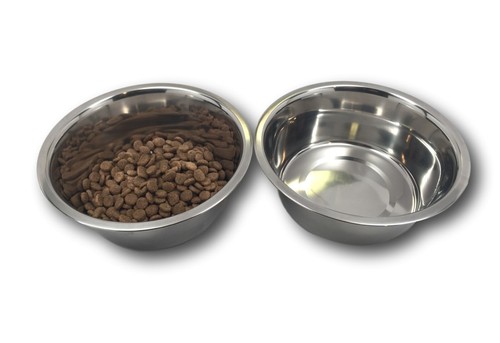
Stainless steel is the veterinary clinic standard for a reason: it’s safe, durable, and hygienic even with daily use. If your dog is a power chewer, a bowl flipper, or you have multiple dogs sharing bowls, stainless steel is nearly impossible to destroy. Look for bowls stamped as “304” or “18/8” stainless for the best corrosion resistance—these grades contain at least 18% chromium and 8% nickel, which prevents rust and pitting even after years of washing.
For households with immunocompromised dogs or puppies, the non-porous surface makes it simple to sanitize: a dishwasher cycle at 160°F or a quick bleach soak (1:32 dilution, then rinse) knocks out bacteria and viruses. Stainless steel bowls are also the top pick for travel—lightweight, shatterproof, and easy to toss in a bag without worry.
- Chewers and destructive dogs: Stainless steel stands up to teeth, claws, and rough play.
- Allergy-prone dogs: Most grades are hypoallergenic, but if your dog has a nickel sensitivity (rare), seek “nickel-free” or “surgical” stainless options.
- Multi-dog homes: Durable enough for rough-and-tumble mealtime dynamics.
- Outdoor use: Resists sun, rain, and freezing—though it may heat up in direct sun.
Ready to upgrade? Check current prices on high-grade stainless steel bowls for your dog’s size and needs.
Where Ceramic Dog Bowls Offer Real Advantages
Ceramic dog bowls are the go-to for owners who prioritize aesthetics or need extra stability. Their weight—often 2–3 pounds for a standard 2-quart bowl—makes it far harder for a dog to tip, push, or carry the bowl around the house. This is especially helpful for flat-faced breeds (like Bulldogs, Boxers, or Pugs) who benefit from wide, shallow bowls that don’t slide away during messy meals.
Ceramic bowls also shine in the design department. Whether you want a bowl that matches your kitchen, features your dog’s name, or simply looks less clinical than stainless, ceramics offer near-infinite options. Just make sure any ceramic bowl is certified lead-free and food-safe—look for documentation from the manufacturer, not just a “microwave safe” sticker.
- Flat-faced and short-nosed breeds: Heavy, wide bowls help prevent whisker fatigue and spillage.
- Messy eaters: Weight and non-slip bottoms keep bowls anchored, reducing cleanup.
- Style-focused owners: Custom designs, colors, and prints to fit any home.
- Temperature-sensitive dogs: Ceramics retain coolness longer, which can keep water fresher in summer.
Curious about options that match your décor? View available ceramic dog bowls and see which sizes fit your space and dog’s eating style.
Breed and Life Stage: What Matters Most for Your Dog
Choosing between stainless steel and ceramic isn’t just about aesthetics or price. The right pick depends on your dog’s size, breed, age, and eating habits:
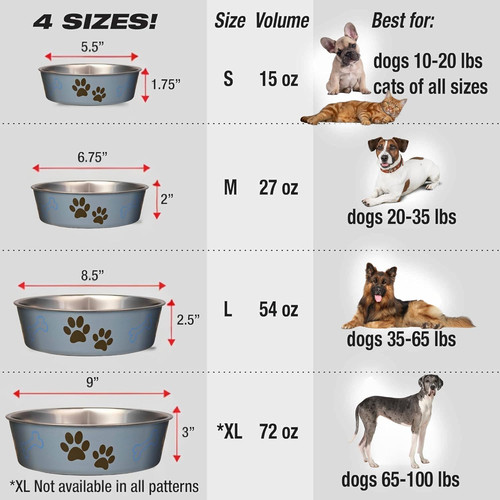
- Large and giant breeds (60+ lbs): Stainless steel bowls with a 2–4 quart capacity prevent spillage and withstand rough feeding. Heavy ceramic bowls (2.5+ lbs) are a safer ceramic pick for stability, but monitor for chipping.
- Small breeds (under 20 lbs): Both materials work, but ceramic bowls under 1 pound are less likely to overwhelm tiny dogs. Stainless steel is easier for daily cleaning if you’re managing multiple small bowls.
- Puppies: Go stainless—puppies chew, tip, and toss bowls. A shallow, wide stainless bowl (height under 2.5″) supports easy access and growth.
- Seniors and dogs with arthritis: Elevated bowls (available in both materials) can ease neck and joint strain. Ceramic’s weight can help if paw strength is weak, but inspect daily for chips.
- Brachycephalic (flat-faced) breeds: Ceramic bowls with a broad, shallow design minimize mess and whisker stress—but only if you’re diligent about checking for cracks.
Uncertain which size or shape best fits your dog’s breed? See what’s available in both categories, filtered by bowl diameter and capacity.
Common Owner Mistakes That Undermine Bowl Safety
Even the best dog bowl can become unsafe if misused or neglected. Owners often assume ceramic bowls are safe if they look intact, but hairline cracks—especially near the rim or base—can harbor bacteria invisible to the naked eye. Always run a finger along the inside and outside of ceramic bowls weekly; any roughness, chip, or visible line means it’s time to replace.
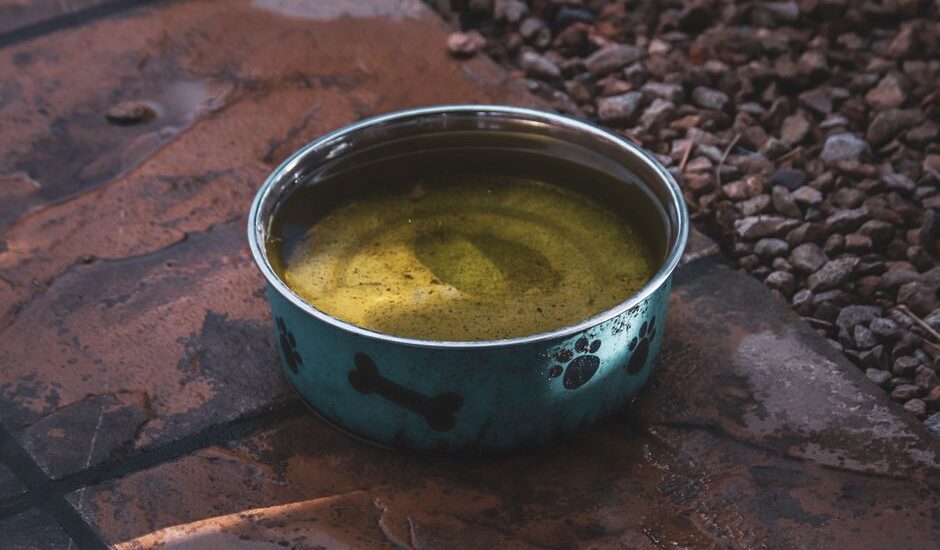
With stainless steel, the most common mistake is buying bargain-grade bowls that rust or pit after a few months. These can leach metals (including nickel or iron) into food and water. Always check for a stamp or label indicating “18/8,” “304,” or “food grade.” If you see reddish rust spots or black pitting—often appearing after dishwasher cycles—replace the bowl immediately.
Don’t overlook cleaning: even stainless bowls can develop biofilm (a slimy residue) if not washed daily, and ceramic glazes can absorb odors if scratched. Both types should be washed with hot, soapy water and dried thoroughly. For multi-pet homes, assign each dog their own bowl to avoid cross-contamination.
Safety Red Flags: When to Replace Your Dog’s Bowl
Dog bowls are not lifetime purchases. No matter the material, there are clear signs it’s time for a replacement:
- Ceramic: Any chip, crack, or worn glaze—even if small—can harbor bacteria or expose your dog to dangerous materials. Discard immediately.
- Stainless steel: Rust spots, pitting, or significant dents mean the protective chromium layer is compromised. Replace at the first sign.
- Both: Persistent odors, slimy residue that doesn’t wash off, or visible stains suggest the bowl is no longer safe.
Don’t gamble on your dog’s health to save a few dollars—replace suspect bowls promptly for peace of mind.
Shopping new with fast Prime shipping? Amazon usually has the best stock.
Compare Options on Amazon →FAQs: Stainless Steel vs Ceramic Dog Bowls
Are stainless steel bowls safer than ceramic for dogs?
Stainless steel bowls are generally safer because they’re non-porous, hard to damage, and easy to sanitize. However, high-quality, lead-free ceramic bowls are also safe if inspected regularly for chips or cracks. The key is consistent cleaning and replacing bowls at the first sign of damage.
Can ceramic bowls give dogs lead poisoning?
Only if the glaze contains lead or other heavy metals. Always choose ceramic bowls labeled as “lead-free” and “food safe”—never use decorative or unverified ceramics. Ask the manufacturer for safety certification if it’s not clearly stated.
Do stainless steel bowls cause dog acne or chin pimples?
Stainless steel is less likely to cause chin acne than plastic or damaged ceramic, since it doesn’t harbor bacteria. However, infrequent cleaning or using rusty bowls can still lead to skin irritation. Daily washing helps prevent this issue.
Which type is better for messy eaters?
Ceramic bowls are heavier and less likely to slide or tip, making them ideal for messy eaters or enthusiastic puppies. Some stainless steel bowls include rubber bases for stability, but lightweight models can move around easily.
Is dishwasher cleaning enough for both types?
Yes, if the bowls are undamaged and labeled as dishwasher safe. For best results, use the hottest setting (at least 160°F) and inspect ceramic bowls for chips before every wash. Hand-wash any bowl with visible damage to avoid spreading bacteria.
How often should I replace my dog’s bowl?
Replace ceramic bowls at the first sign of a chip or crack. Stainless steel bowls typically last 5–10 years, but swap them out immediately if you notice rust, pitting, or persistent stains. Regular inspection is more important than a set schedule.
The Bottom Line: Which Is Right for Your Dog?
If you want the most hygienic, damage-proof bowl, stainless steel is the clear winner—especially for power chewers, puppies, or multi-dog homes. For style, stability, and picky eaters, a certified lead-free ceramic bowl can be a great fit, provided you’re diligent about inspection and cleaning. Don’t compromise on safety: whichever you choose, make sure the bowl is the right size, grade, and design for your dog’s breed and habits. Your dog’s health—and your peace of mind—are worth the investment.