Disclosure: As an Amazon Associate and eBay Partner Network publisher, we earn from qualifying purchases. This doesn’t affect what we recommend or how we describe it.
Most dog toothbrushes and toothpastes are designed for “all dogs,” but the reality is that what works for a 6-pound Chihuahua puppy is rarely ideal for a 90-pound senior Lab. The single most important thing to know before buying: not all dental products are equally safe, effective, or accepted by dogs — and the wrong fit can turn brushing into a battle, or worse, damage sensitive gums. Here’s how to cut through the noise and pick the right brush and paste for your individual dog, with hands-on details that matter for real-world use.
What Actually Matters When Choosing a Dog Toothbrush and Toothpaste
Dog dental care isn’t just about fresh breath. Poor brushing technique, the wrong brush size, or harsh ingredients can actually make things worse — from bleeding gums to a dog who hides at the sight of the tube. The biggest factors to get right:
- Brush head size and bristle firmness: Too large or stiff can injure small mouths or sensitive gums; too soft or tiny may be useless on big teeth.
- Toothpaste ingredients: Only dog-specific pastes are safe (never use human toothpaste). Enzymatic formulas break down plaque, while flavors matter for cooperation.
- Handle design and grip: Long handles for larger breeds, finger brushes for puppies and toy breeds, angled heads for reaching molars.
- Dog’s age and dental history: Puppies and seniors need gentler options; dogs with dental disease require extra care.
Let’s break down the top options by these real-world criteria.
Comparison Table: Dog Toothbrush and Toothpaste Buying Profiles
| Buying Profile | Best For | Brush Head Size | Bristle Firmness | Paste Type | Special Features | Price Range |
|---|---|---|---|---|---|---|
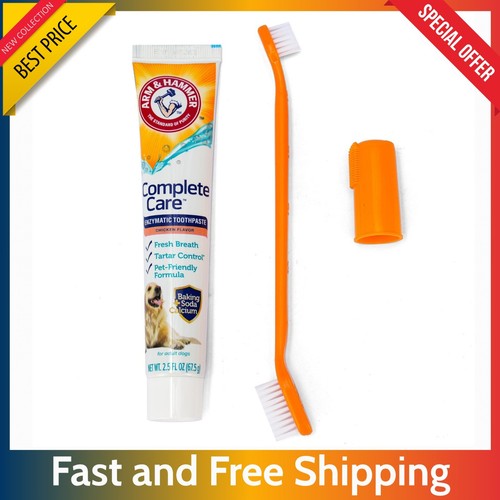
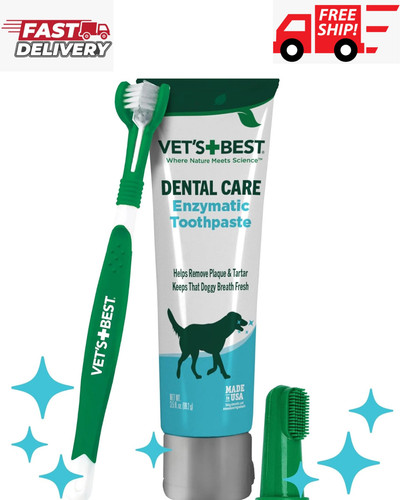
| Puppy-Safe Starter Kit | Puppies under 6 months, toy breeds | 8–12mm | Ultra-soft | Mild enzymatic, poultry flavor | Finger brush, small tube | $8–$14 |
| Large Breed Deep Clean | Dogs 50+ lbs, adult/senior | 20–25mm | Medium-soft | Dual-enzyme, beef or vanilla flavor | Long angled handle, extra bristles | $12–$20 |
| Senior Sensitive Mouth | Senior dogs, receding gums | 15–18mm | Extra-soft | Non-foaming, mild flavor | Cushioned grip, tapered head | $10–$18 |
| Multi-Dog Household Value Pack | 2+ dogs, mixed sizes | 2–3 head sizes included | Soft/medium | Assorted flavors | Color-coded brushes, 2+ tubes | $16–$28 |
| Travel-Friendly Compact Set | On-the-go brushing, hiking/camping | 10–15mm | Soft | Waterless gel, chicken or mint | Snap-on cap, leakproof tube | $7–$13 |
| Budget Everyday Option | Most adult dogs, easy maintenance | 15–20mm | Soft | Basic enzymatic, peanut flavor | Standard handle, 60g+ tube | $6–$10 |
How Brush Shape, Size, and Bristles Affect Real-World Use
Most dental care fails because the brush is the wrong size or shape for the dog’s mouth. For example, a 22mm head is perfect for a German Shepherd’s molars, but it won’t fit a Yorkie’s teeth without jabbing the gums. Puppies and toy breeds do best with heads in the 8–12mm range and ultra-soft bristles, while large breeds need a minimum 18–25mm head and a long, angled handle (over 18cm) for leverage and reach.
Finger brushes work well for first introductions or for dogs who panic at a regular brush, but they’re not ideal for cleaning big teeth or reaching back molars in larger dogs. For seniors or dogs with sensitive mouths, extra-soft bristles (less than 0.15mm in diameter) and a cushioned grip reduce discomfort and risk of gum abrasion.
It’s worth noting that some dogs—especially brachycephalic breeds like Bulldogs and Pugs—may need a slimmer or more angled brush to access crowded teeth. If you have a dog with a very small or unusually shaped mouth, prioritize smaller or adjustable heads.
Why Toothpaste Ingredients (and Flavors) Make or Break the Experience
Never use human toothpaste: ingredients like xylitol and fluoride are toxic to dogs. Dog toothpastes rely on enzymatic formulas (usually glucose oxidase or lactoperoxidase) to break down plaque without harsh scrubbing. Look for enzyme concentrations in the 0.2–0.5% range for real efficacy—some budget pastes skip this entirely, making them little more than flavored gels.
Flavor is not just a gimmick. Poultry, beef, and peanut are generally most accepted, while mint is hit-or-miss. For picky dogs, a flavor they love can turn brushing from a wrestling match into a treat. For multi-dog households, having two flavors can help prevent resource-guarding or rivalry at brush time.
If your dog has a history of allergies, stick to hypoallergenic formulas free from artificial dyes and with limited ingredient lists (under 8 ingredients is ideal). For seniors or dogs with tender mouths, non-foaming, alcohol-free pastes are safest.
See what’s available for your dog’s flavor and ingredient needs.Breed, Age, and Dental Health: What Changes the Game
Dental needs shift dramatically with age and breed. Puppies under six months need gentle brushes and minimal paste, as their gums and teeth are still developing. Large breeds are prone to tartar buildup on molars and need bigger, angled heads and more abrasive enzymatic pastes. Toy breeds, especially those under 10 lbs, are at high risk for periodontal disease—daily brushing with ultra-soft brushes and gentle pastes is critical.
Senior dogs often have receding gums or missing teeth. For them, a smaller, extra-soft head and a soothing, mild-flavored paste are kinder. Dogs with existing dental disease may need a vet-approved regimen, but for general maintenance, stick to gentle, non-irritating products and avoid anything with baking soda or strong abrasives.
Brachycephalic breeds (French Bulldogs, Pugs) have crowded teeth, so look for thin, flexible heads and pastes that can reach into tight spaces. Hounds and retrievers, with deep jaws, benefit from long-handled, medium-head brushes and pastes with strong enzymatic action.
Compare today’s deals on breed-appropriate options.Common Mistakes: What Actually Goes Wrong with Dog Dental Care
The most frequent error is choosing a brush that’s too large or stiff, leading to gum injury and a dog who resists brushing. Second is using human toothpaste, which can cause toxicity. A less obvious mistake: skipping flavor, which can make a dog clamp their jaws and turn every session into a struggle.
Rushing the brushing process—especially with new or nervous dogs—backfires. Start with finger brushes and a dab of paste as a treat, then graduate to a regular brush once your dog is comfortable. Always replace brushes every 2–3 months (or sooner if bristles fray) for hygiene and effectiveness.
Check current prices on replacement heads and starter kits.FAQ: Real Dog Toothbrush and Toothpaste Questions Answered
How often should I brush my dog’s teeth with these products?
Daily brushing is ideal for preventing plaque and tartar buildup, but even 3–4 times a week can make a significant difference. Consistency matters more than perfection—pick a routine you can realistically stick to.
Are finger brushes as effective as regular dog toothbrushes?
Finger brushes are useful for small breeds, puppies, or dogs fearful of traditional brushes, but they don’t clean as thoroughly, especially on large teeth or back molars. For long-term dental health, a regular brush with the correct head size is more effective.
Can I use baking soda or coconut oil as dog toothpaste?
Baking soda is not recommended—it can upset your dog’s stomach and is abrasive on gums. Coconut oil may be safe in tiny amounts, but it lacks the enzymatic action necessary to break down plaque, so it’s not a substitute for proper dog toothpaste.
What if my dog hates the taste of toothpaste?
Try different flavors—poultry, beef, and peanut are usually best received. Some dogs dislike mint or vanilla. If your dog consistently refuses, try a flavorless enzymatic gel or use the paste as a treat before brushing to build positive associations.
How do I know if the brush is too hard for my dog?
If you notice bleeding, redness, or your dog pulling away in discomfort, the bristles are likely too stiff. Choose extra-soft or soft brushes (bristle diameter under 0.15mm) for sensitive mouths, and always err on the side of gentleness, especially with seniors or small breeds.
Is it okay to use the same toothbrush and toothpaste for multiple dogs?
It’s best to have separate brushes (and ideally pastes) for each dog, especially if one has dental disease, to prevent cross-contamination. Value packs often include color-coded brushes for this reason.
How long does a tube of dog toothpaste last?
A standard 60g tube lasts about 1–2 months for a single medium-sized dog with daily use. Multi-dog households or large breeds will go through it faster, so consider larger tubes or multipacks to save on cost and avoid running out.
My Take: The Best Dog Dental Care Is the One Your Dog Accepts
There’s no “one size fits all” when it comes to dog toothbrushes and toothpastes. The right choice depends on your dog’s breed, age, mouth size, and taste preferences—plus your own routine. The best brush is one you can use gently and consistently, with a paste your dog actually enjoys. Prioritize fit, safety, and flavor, and you’ll set your dog up for healthier teeth and easier vet visits for years to come.