9 min read
Most guides treat reverse sneezing in dogs as a harmless quirk — something to shrug off and forget. But is it always benign? The reality is more nuanced: while reverse sneezing is usually not dangerous, there are important exceptions, especially for certain breeds, puppies, and seniors. Understanding when it’s just a noisy nuisance and when it could signal something serious is key to keeping your dog safe and comfortable.
Reverse Sneezing: Annoying Habit or Hidden Problem?
Reverse sneezing (technically called “mechanosensitive aspiration reflex”) is a rapid, forceful inhalation through the nose, often accompanied by loud snorting or honking. It looks and sounds alarming — the dog stands rigid, extends their neck, and makes repeated gasping noises. Episodes typically last between 10 and 30 seconds, though some can stretch to a minute. Most dogs recover quickly and act normal right after.
Despite its dramatic presentation, reverse sneezing is usually not a sign of illness. It’s a reflex triggered by irritation in the throat, nasopharynx, or soft palate — think of it as your dog’s way of clearing an itch or tickle in the back of their throat. Common triggers include dust, pollen, excitement, pulling on the leash, or even drinking water too quickly. But sometimes, what looks like reverse sneezing can mask more serious problems.
When Reverse Sneezing Becomes a Concern
It’s easy to dismiss reverse sneezing as “just something dogs do,” but there are situations where it deserves closer attention. The following red flags mean you should consult your vet:
- Episodes last longer than 1-2 minutes or occur in clusters several times a day.
- Your dog shows other symptoms — nasal discharge, coughing, lethargy, loss of appetite, or difficulty breathing between episodes.
- Reverse sneezing begins suddenly in an adult dog with no prior history, especially if there’s recent exposure to irritants or illness.
- Breed-specific risks: Short-nosed (brachycephalic) breeds, like Pugs and Bulldogs, are prone to airway issues that can be mistaken for reverse sneezing but are potentially life-threatening.
- Puppies or seniors: Young puppies and older dogs are less resilient to airway irritation and more vulnerable to underlying infections or anatomical problems.
For the majority of healthy adult dogs, occasional reverse sneezing is not dangerous. But knowing when to worry — and how to tell reverse sneezing apart from choking, asthma, or tracheal collapse — is crucial.
Comparing Reverse Sneezing to Other Noisy Breathing Episodes
| Episode Type | Typical Duration | Key Sounds | Associated Symptoms | Risk Level | Price (Vet Visit/Diagnostics) |
|---|---|---|---|---|---|
| Reverse Sneezing | 10–30 sec | Snorting, honking, rapid inhalation | Normal between episodes | Usually low | $ |
| Choking/Gagging | Ongoing until cleared | Retching, gagging, silence if airway blocked | Pawing at mouth, panic, cyanosis | High — emergency | $$$ |
| Tracheal Collapse | Seconds to minutes, may recur | Goose-honk cough, wheezing | Labored breathing, worsens with excitement | Moderate to high | $$ |
| Allergic Sneezing | Seconds per episode, seasonal | Sneezing, snorting | Itchy eyes, runny nose | Low to moderate | $ |
| Upper Respiratory Infection | Persistent (days) | Congested breathing, coughing | Fever, nasal discharge, lethargy | Moderate | $$ |
Breed and Age: Who Needs Extra Caution?
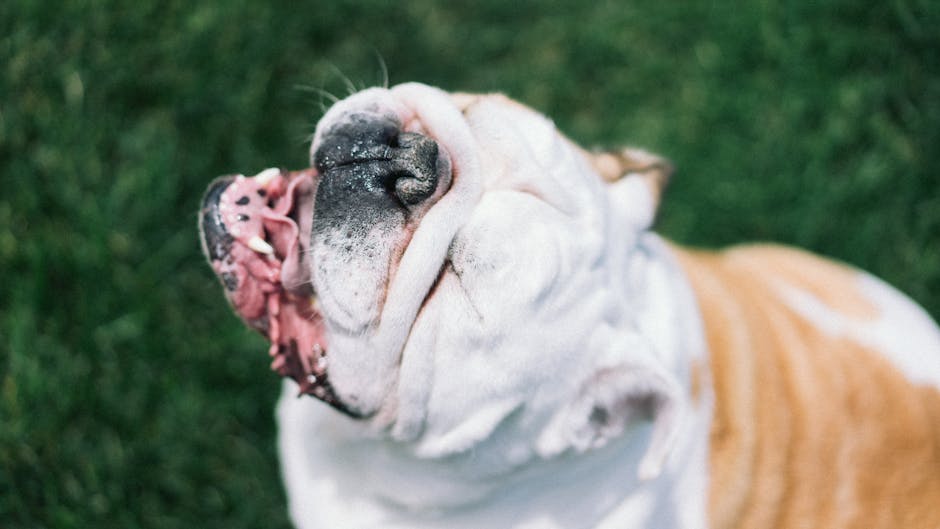
Brachycephalic breeds — those with short noses and flat faces — are notorious for noisy breathing. For Pugs, Bulldogs, Shih Tzus, and Boston Terriers, what looks like reverse sneezing might actually be partial airway obstruction or even the early stages of brachycephalic airway syndrome. In these dogs, snorting episodes can escalate quickly to respiratory distress. For them, any increase in frequency, duration, or severity should be checked by a vet.
Young puppies are also at heightened risk. Their airways are smaller and more easily irritated, and reverse sneezing in a puppy may point to an infection (like kennel cough), nasal mites, or a congenital abnormality. Seniors can develop reverse sneezing due to age-related tissue changes, polyps, or even tumors. In both age groups, new or worsening episodes warrant prompt evaluation.
How to Tell Reverse Sneezing from Choking or Coughing
Reverse sneezing is dramatic, but dogs usually remain alert and responsive throughout. Contrast this with choking: a choking dog may paw frantically at their mouth, panic, drool, or even collapse. There’s often little to no sound — a blocked airway is silent. If you ever see blue gums (cyanosis), collapse, or unproductive retching, treat it as an emergency.
Coughing, on the other hand, is usually a forceful exhalation (not inhalation), often accompanied by a hacking or honking sound. Coughing may be persistent and is often linked to respiratory infection, collapsing trachea, or heart disease. Reverse sneezing is always an inward gasp, not a cough.
When in doubt, video your dog’s episode and show it to your vet. This is often the fastest way to get a clear answer.
Related Guides
- Our guide to A No-Nonsense Guide to the Best Flea Collars for Dogs
- Best Dewormers for Dogs 2026: Tried, Tested and Reviewed
- ID Tags for Dogs 2026: Our Top Picks
- Joint Care Supplements for Dogs 2026: Our Top Picks
- Dental Chews for Dogs, Reviewed
- What Type of Brush Is Best for Shedding Dogs?
- Browse all Health & Wellness →
Beginner’s pre-purchase checklist
- Record the duration of your dog’s typical reverse sneezing episode (in seconds) to compare with normal ranges.
- Check if your dog’s breed is brachycephalic — these dogs need extra caution with any noisy breathing.
- Note any recent changes in environment (new cleaning products, dust, pollen) that could trigger irritation.
- Observe if episodes occur after specific activities (drinking, pulling on leash, excitement).
- Monitor for additional symptoms — nasal discharge, coughing, lethargy — and document their frequency.
- For puppies and seniors, track whether reverse sneezing is a new development or a chronic issue.
- Have your vet’s contact info and a recent video of an episode ready in case symptoms worsen.
Practical Tips for Managing Reverse Sneezing at Home
Most reverse sneezing episodes resolve on their own. You can often help your dog by gently massaging their throat or briefly covering their nostrils (for just a second) to prompt swallowing. Calm, reassuring words and a soothing touch reduce anxiety — both yours and your dog’s. Avoid using harsh cleaning chemicals, air fresheners, or dusty bedding, as these are frequent irritants.
If reverse sneezing is frequent, keep a log: note the time, duration, suspected trigger, and any associated symptoms. This information is invaluable for your vet if you need to escalate care. And if you’re shopping for air purifiers, hypoallergenic bedding, or harnesses that avoid throat pressure,
Common Owner Mistakes With Reverse Sneezing
Misinterpreting reverse sneezing as choking is a frequent panic trigger for new dog owners. Rushing to perform the Heimlich maneuver on a dog who’s actually reverse sneezing can cause injury. Another mistake: ignoring frequent or severe episodes in breeds at risk for airway disease. For Bulldogs, Frenchies, and similar dogs, what seems like “just snorting” may be a red flag for a much bigger issue.
Don’t fall into the trap of using over-the-counter decongestants or home remedies without veterinary input. These can be dangerous, especially for small breeds and puppies. Instead, focus on prevention: use harnesses (not collars) for leash walks, minimize dust and scents, and keep your dog’s weight in a healthy range. You can
When a Vet Visit Is Non-Negotiable
Reverse sneezing rarely requires emergency care, but these signs mean it’s time to call your vet:
- Episodes last more than two minutes or cluster repeatedly in a short period.
- Your dog is lethargic, has trouble breathing between episodes, or shows blue-tinged gums.
- There’s blood, yellow-green discharge, or severe coughing along with reverse sneezing.
- The problem starts suddenly in a dog with no history of reverse sneezing.
- Your dog belongs to a high-risk breed or is a puppy/senior with new or worsening symptoms.
Early intervention is especially important in brachycephalic breeds and young puppies, who can deteriorate quickly. For mild, occasional episodes in healthy adults, reassurance and minor lifestyle tweaks are usually enough — but always err on the side of caution if anything feels off.
For more on canine respiratory health, the Dog Health site offers practical, vet-reviewed resources.
FAQ: Reverse Sneezing in Dogs
How long do normal reverse sneezing episodes last?
Most episodes last 10–30 seconds, with some stretching up to a minute. If your dog’s reverse sneezing continues for longer than two minutes or happens in rapid succession, consult your veterinarian.
Is reverse sneezing more common in small breeds or large breeds?
Reverse sneezing is seen across all sizes, but small and toy breeds tend to experience it more frequently. Brachycephalic (short-nosed) breeds are also at higher risk due to their unique airway anatomy.
Can reverse sneezing be dangerous for puppies?
While most puppies recover quickly, reverse sneezing in very young dogs can sometimes signal infection or anatomical issues. Puppies have smaller, more sensitive airways, so persistent or severe episodes should always be evaluated by a vet.
How can I tell if my dog is reverse sneezing or choking?
During reverse sneezing, dogs remain alert, and the episode resolves on its own with noisy inhalations. Choking is an emergency — the dog may panic, paw at their mouth, and struggle to breathe with little or no sound. Always seek immediate help if you suspect choking.
Reverse sneezing vs tracheal collapse — how do I tell the difference?
Reverse sneezing is characterized by rapid, noisy inhalations and is usually brief. Tracheal collapse causes a goose-honk cough, wheezing, and can lead to labored breathing, especially during excitement or exertion. If symptoms are frequent or worsen over time, a vet exam is needed for diagnosis.
Do I need to buy any special products to manage reverse sneezing?
No products are required for occasional, mild reverse sneezing. However, air purifiers, hypoallergenic bedding, and harnesses (instead of collars) can help reduce triggers for sensitive dogs.
Is there a warranty or return policy concern with products marketed for reverse sneezing?
For general wellness products like air purifiers or harnesses, most reputable retailers offer 30-day returns and at least a 1-year warranty. Always verify the specifics before buying, especially if your dog has a history of chewing or destructive behavior.
Bottom Line: Reverse Sneezing Is Usually Harmless, But Don’t Ignore the Exceptions
For most healthy adult dogs, reverse sneezing is a benign, if noisy, reflex — no treatment or special products required. But don’t let that lull you into ignoring warning signs, especially if you have a flat-faced breed, a puppy, or a senior. Trust your instincts: if episodes change, last longer, or come with other symptoms, get your vet involved. And if you want to minimize triggers, choosing the right air purifiers, harnesses, or allergy-friendly bedding can make a real difference.
Last updated: July 2026 · How we put guides together