
9 min read
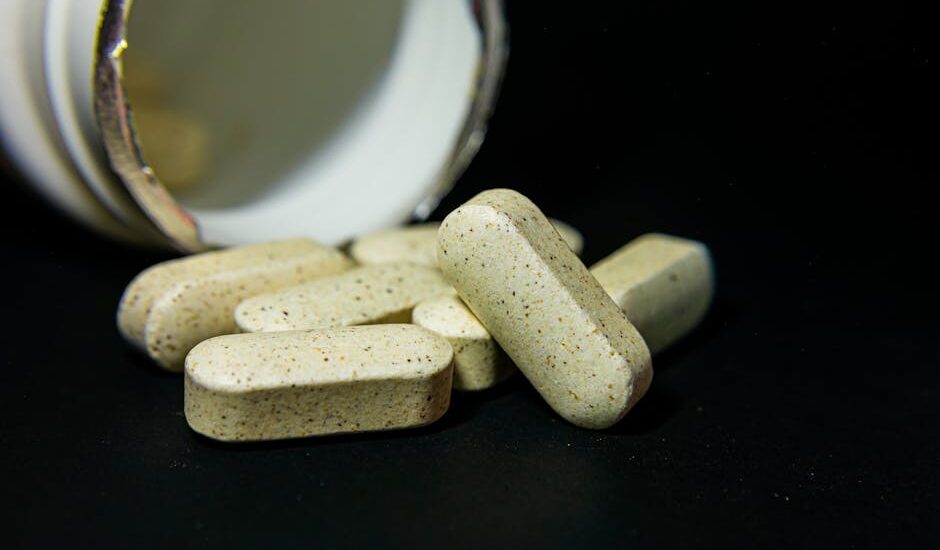
Yes, dogs can overdose on dog vitamins—sometimes with serious or even life-threatening consequences. Vitamin supplements aren’t inherently dangerous, but the margin for error is much smaller than most owners realise. Overdosing doesn’t always look dramatic either; chronic excess of certain vitamins can quietly damage organs before you spot any signs. This guide explains exactly how vitamin overdoses happen in dogs, which nutrients pose the highest risk, what symptoms to watch for, and how to keep your dog safe if you use supplements.
Why vitamin overdoses in dogs are more common than you think
Most owners assume dog vitamins are harmless “just in case” add-ons, especially with so many treats and foods now advertising added nutrients. But the reality is that dogs eating a complete commercial diet rarely need extra vitamins—and adding more can tip the balance into dangerous territory. Unlike water-soluble vitamins (like C and most Bs), which the body can usually flush out, fat-soluble vitamins (A, D, E, K) build up in body fat and can cause toxicity at surprisingly low multiples of the recommended dose.
Overdoses most often occur when:
- Owners double-dose, thinking “more is better”
- Supplements are given on top of fortified foods
- Multiple products with overlapping nutrients are used
- Children or curious dogs access vitamin bottles
Breed, age, and health status all affect risk. Puppies, seniors, and small breeds are especially vulnerable, as their bodies handle excess nutrients less efficiently. And the symptoms aren’t always obvious—chronic overdoses can look like digestive upset or joint pain, easily mistaken for unrelated problems.
Which vitamins are most dangerous in excess?
Not all vitamins carry the same overdose risk. Here’s where the real dangers lie:
- Vitamin D: Even small overdoses can cause kidney failure, abnormal heart rhythms, and death. Toxicity may occur at just 10x the recommended daily amount, and symptoms can develop slowly. Many “joint” and “skin” supplements contain added D.
- Vitamin A: Chronic excess leads to joint stiffness, bone changes, and liver damage. Large-breed puppies are especially at risk if they get adult-formulated supplements.
- Calcium: Often paired with vitamins in “all-in-one” chews, too much calcium can cause skeletal deformities in growing dogs and kidney stones in adults.
- Iron: Iron toxicity can cause severe abdominal pain, vomiting, and collapse. Watch for iron in multivitamins and “energy” chews.
Other nutrients can cause problems too, but these are the most common culprits in veterinary toxicology reports. For a deeper dive into the risks and symptoms, see the Pet Poison Helpline’s vitamin toxicity page.
Comparison table: Vitamin supplement setups and their overdose risk
| Approach | Best For | Overdose Risk | Typical Dose Range | Monitoring Required |
|---|---|---|---|---|
| Daily Multivitamin Chew | Dogs on homemade diets | High (fat-soluble vitamins) | 1-2 chews/day (per 20 lbs) | Quarterly bloodwork |
| Single-Nutrient Tablet | Clinically diagnosed deficiency | Moderate (depends on nutrient) | 5-50 mg/tablet | Prescription and monitoring |
| “Functional” Treat (e.g. skin/joint) | Older dogs with specific needs | Moderate to high (combos common) | 1-3 treats/day | Owner vigilance |
| Fortified Kibble | Most healthy adult dogs | Low (balanced by manufacturer) | Varies by brand | Annual vet check |
| Homemade Diet + Custom Supplement | Allergy management, unique medical needs | Very high (owner error common) | Custom, based on recipe | Frequent vet oversight |
What most guides miss about breed and age risk
Breed and life stage dramatically affect a dog’s risk of vitamin overdose. Large-breed puppies are especially sensitive to excess calcium and vitamin D, which can cause lifelong joint and bone problems. Toy breeds, with their low body weight, can reach toxic levels with just a single extra chew or pill. Senior dogs with reduced kidney or liver function may not clear excess vitamins efficiently, making even moderate over-supplementation risky.
Working breeds—especially those on high-calorie foods—can also be at risk if owners add “performance” supplements on top of already-fortified diets. Always adjust any supplement plan for your dog’s size, breed, and age, and never dose based on casual online advice.
For dogs on homemade or raw diets, professional guidance is essential. It’s easy to overcompensate for perceived deficiencies and end up with a dangerous excess, especially with fat-soluble vitamins. Always consult a board-certified veterinary nutritionist if you’re considering supplements outside a standard commercial diet.
How to spot (and avoid) vitamin overdose symptoms in your dog
Symptoms of vitamin overdose range from subtle to severe, and they often mimic other health issues. Here’s what to watch for with the most common culprits:
- Vitamin D: Increased thirst, vomiting, loss of appetite, muscle tremors, and in severe cases, seizures or collapse.
- Vitamin A: Lethargy, joint pain, constipation, and abnormal bone growth—especially in puppies.
- Iron: Vomiting, abdominal pain, bloody diarrhea, and rapid heart rate.
- Calcium: Weakness, constipation, urinary issues, and in puppies, limb deformities.
Symptoms can develop slowly over weeks or months, especially with chronic overdoses. If you notice any of these signs and your dog is receiving supplements, contact your veterinarian immediately. Never attempt to “flush out” vitamins at home—professional intervention is necessary.
Routine bloodwork can catch developing problems before symptoms appear, especially in dogs on long-term supplements or homemade diets. Ask your vet about annual or biannual screenings if you use these products regularly.
Specifications that actually matter
Per-dose vitamin content
The actual milligram (mg) or International Unit (IU) amount of each vitamin per dose is the most critical number to check. For example, vitamin D should not exceed 500 IU per day for a 30-lb dog unless prescribed; excess is toxic. Always compare the per-dose content to the safe daily allowance for your dog’s weight and age.
Fat-soluble vs. water-soluble formulation
Fat-soluble vitamins (A, D, E, K) are stored in the body and accumulate over time, making them riskier in excess. Water-soluble vitamins (B, C) are less likely to cause overdose but can still stress the kidneys at high doses. Check the supplement label’s breakdown before purchasing.
Combination formulas vs. single-nutrient
Products that bundle multiple vitamins and minerals increase the risk of accidental overdose, especially if your dog eats fortified food. Single-nutrient supplements are safer for correcting diagnosed deficiencies but should only be used under veterinary supervision.
Palatability and packaging security
Chewable or flavored supplements are high-risk if left within a dog’s reach. Look for childproof bottles and keep all supplements stored securely. A single bottle raid can deliver a deadly dose, especially for small dogs.
Batch testing and third-party verification
Supplements are not regulated as tightly as prescription medications. Look for products with documented batch testing and independent verification of content—this helps avoid accidental high-dose batches, which have caused recalls in the past. The FDA’s animal supplement page provides more details on current standards and known risks.
Related Guides
- A No-Nonsense Guide to the Best Flea Collars for Dogs
- Our guide to Dewormers for Dogs 2026: Tried, Tested and Reviewed
- ID Tags for Dogs 2026: Our Top Picks
- Joint Care Supplements for Dogs 2026: Our Top Picks
- Dental Chews for Dogs, Reviewed
- Our guide to What Type of Brush Is Best for Shedding Dogs?
- Browse all Health & Wellness →
- Can Anxiety in Dogs Cause Diarrhea? What Owners Should Know
Owner mistakes that increase overdose risk
Some of the most common mistakes include:
- Giving both a “daily vitamin” and a “joint support” chew without checking for overlapping nutrients, especially vitamin D and calcium.
- Assuming human supplements are safe for dogs—doses and formulations are rarely appropriate.
- Not adjusting doses for a dog’s weight, especially in multi-dog households with different-sized pets.
- Leaving flavored chews accessible, leading to accidental ingestion of an entire bottle.
- Using supplements on top of already-fortified commercial foods without consulting a vet.
Before adding any supplement, read all ingredient labels and calculate total daily intake for each vitamin and mineral. If in doubt, skip the supplement and ask your veterinarian or a certified nutritionist for guidance. For those seeking a safe daily supplement, compare today’s deals on formulations specifically designed for your dog’s breed and size.
FAQ: Can dogs overdose on dog vitamins?
How much vitamin D is toxic to dogs?
Toxicity can occur at doses as low as 0.1 mg/kg (about 100 IU/kg) of vitamin D. For a 10-kg (22-lb) dog, as little as 1 mg (1,000 IU) can be dangerous if ingested at once or over time. Always check the per-dose label and consult your vet before supplementing.
Are multivitamin chews safer than tablets for dogs?
Not necessarily. Chews may be more palatable, increasing the risk of accidental overdose if a dog eats the whole container. Tablets can allow for more precise dosing but are less appealing to most dogs. Choose the format that’s easiest to control and store securely.
What should I do if my dog eats too many vitamin chews?
Contact your veterinarian or an emergency animal poison control line immediately, even if your dog seems fine. Bring the product packaging to the vet, as they’ll need to know the exact nutrients and doses involved. Do not try to induce vomiting unless instructed by a professional.
Can puppies and senior dogs take the same vitamin supplements?
No—puppies and seniors have very different nutritional needs and tolerances. Supplements formulated for adult dogs may overdose a puppy or stress a senior’s organs. Always choose products matched to your dog’s life stage and weight.
How long does it take for vitamin overdose symptoms to appear?
Some symptoms (like vomiting from iron toxicity) can appear within hours. Others, such as bone changes from vitamin A or kidney damage from vitamin D, may take weeks to months of chronic over-supplementation to show up. Ongoing bloodwork can help catch problems early.
Daily supplement vs. fortified food—which is safer?
For most healthy dogs, a complete fortified food is much safer than adding supplements, as commercial diets are balanced to avoid excesses. Supplements should only be added if a specific deficiency is diagnosed or if your dog eats a homemade or prescription diet.
Can dogs take human vitamins if the dose is adjusted?
Generally, no. Human vitamins often contain doses and forms inappropriate for dogs, and some (like xylitol or certain iron compounds) can be toxic. Always use supplements formulated specifically for dogs and check with your vet.
So—should you give your dog vitamin supplements?
If your dog eats a complete commercial diet and has no diagnosed deficiencies, extra vitamins are usually unnecessary and can be dangerous. The exception: dogs on homemade diets, with medical conditions, or under veterinary guidance. When in doubt, less is more—overdosing is far easier than most owners realise. For dogs who genuinely need supplementation, choose formulas with clear per-dose labeling, secure packaging, and batch testing—never guess.
Last updated: July 2026 · How we put guides together