
Disclosure: As an Amazon Associate and eBay Partner Network publisher, we earn from qualifying purchases. This doesn’t affect what we recommend or how we describe it.
Most dog gates look similar at first glance, but the difference between a gate that quietly protects your dog and one that causes daily frustration comes down to details most buyers overlook: bar spacing, latch strength, fixed vs. pressure-mount, and — perhaps most crucially — how your dog’s breed, age, and motivation interact with those features. The wrong gate can be a minor nuisance for a Yorkie but a real safety risk for a determined adolescent Husky. Before you choose, it’s worth getting clear about what actually matters when separating flimsy barriers from true canine-proof solutions.
Which Dog Gate Design Actually Works for Your Situation?
The “best” dog gate isn’t universal — it’s about finding the right match for your dog’s size, temperament, and your home’s layout. While most gates fall into one of three categories (pressure-mounted, hardware-mounted, or freestanding), there’s huge variation in how well each serves different needs.
- Pressure-mounted gates use tension to stay in place, sparing your walls or door frames. They’re quick to install and ideal for temporary setups, but can be easily toppled by dogs over 50 lbs or those who lean or jump.
- Hardware-mounted gates screw directly into studs or door frames. These are the only safe option for blocking stairs or containing powerful breeds. Installation takes longer, but you gain serious security.
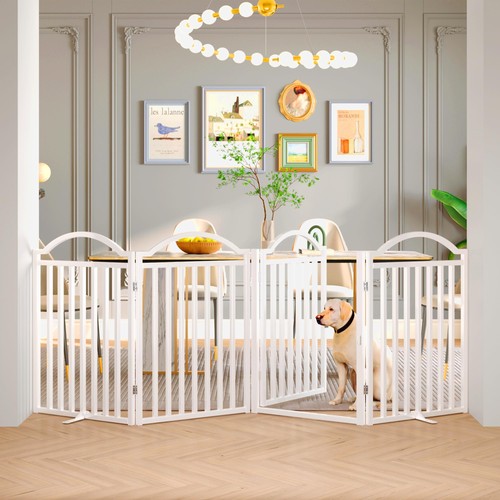
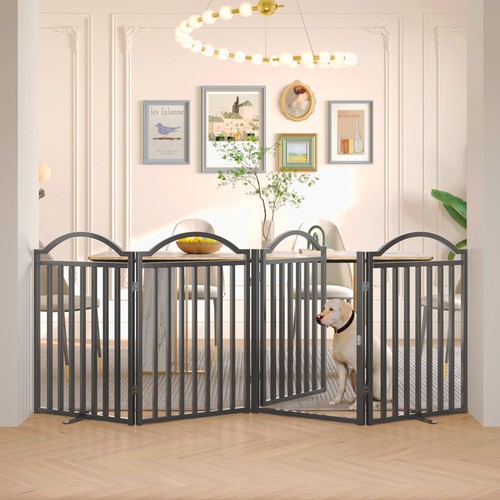
- Freestanding gates are the most flexible and decorative, but unless they weigh over 15 lbs and have a wide base, they’re no match for a curious or rambunctious dog.
Beyond mounting style, pay attention to gate height (28–41” is the practical range; aim for 36”+ for large or athletic dogs), bar spacing (no more than 2.5” to prevent head entrapment), and latch complexity (simple for humans, baffling for paws and noses).
Comparison Table: Dog Gate Profiles for Different Needs
| Profile | Best For | Height Range | Mounting Style | Bar Spacing | Notable Strength | Potential Drawback |
|---|---|---|---|---|---|---|
| The Escape-Artist Blocker | Large, athletic, or clever breeds (e.g., Huskies, Border Collies) | 36–41” | Hardware-mounted | <2.5” | Reinforced frame, dual-action latch | Permanent installation required |
| The Gentle Divider | Small breeds, seniors, or low-energy dogs | 28–30” | Pressure-mounted or freestanding | 2–2.5” | Lightweight, easy to move | Not suitable for climbers or jumpers |
| The Puppy-Proof Pick | Puppies under 6 months, toy breeds | 28–32” | Pressure-mounted | <2” | Chew-resistant coating | May need replacing as dog grows |
| The Open Concept Solution | Wide doorways, open-plan homes | 30–36” | Hardware-mounted (extra-wide) | 2–2.5” | Spans up to 72” with extensions | Bulky; can’t move easily |
| The Travel-Friendly Option | Temporary use, rental homes, travel | 24–30” | Pressure-mounted | 2–2.5” | Folds flat, under 10 lbs | Easy for large dogs to defeat |
| The Low-Profile Barrier | Senior dogs, low mobility, cats sharing space | 20–24” | Freestanding | 2–2.5” | Step-over design | No deterrence for jumpers |
Breed and Behaviour: Why One Gate Doesn’t Fit All
Breed, age, and individual temperament drive your gate choice more than most people realise. For example, a 30” pressure-mounted gate is a strong barrier for a 15-lb Shih Tzu, but a 7-month-old Labrador will vault it by the end of the week. Herding breeds and terriers often treat gates as puzzles to solve, while brachycephalic or senior dogs may struggle with gates that require stepping over or squeezing through narrow openings.
If you have a power chewer, look for gates with steel frames and chew-proof powder coatings. For climbers, vertical bars (not mesh or horizontal rungs) prevent footholds. Multi-pet homes often need a gate with a built-in small pet door — but make sure its opening is under 8” x 8” to prevent small dogs from squeezing through.
Owners of giant breeds (over 90 lbs) should avoid freestanding gates entirely. For toy breeds, ensure bar spacing is under 2” — some toy Poodles and Chihuahuas have slipped through wider gaps.
Safety Details Most Dog Gate Reviews Skip
Not all “dog gates” are actually safe for dogs. Many models marketed for babies or generic pets are too short, have wide bar spacing, or use plastic latches that snap under pressure. Here’s what to check before you buy:
- Gate height: For medium and large breeds, 36” or higher is a must. Some dogs can clear 30” gates from a standstill.
- Bar spacing: Never exceed 2.5” for any dog; 2” is safer for small breeds. This prevents heads, paws, or collars from getting trapped.
- Latch mechanism: Look for dual-action or lift-and-slide designs. Simple push latches are easily opened by clever dogs or persistent noses.
- Mounting hardware: If blocking stairs, only hardware-mounted gates are safe. Pressure-mounts can be dislodged and cause falls.
- Materials: Avoid gates with exposed wood edges for teething puppies or habitual chewers. Metal with powder coating resists gnawing and drool corrosion.
Common Owner Mistakes That Undermine Gate Safety
Even the sturdiest dog gate can fail if not used correctly. The most frequent issues I see in real homes:
- Improper installation: Pressure-mounted gates on uneven surfaces or at the top of stairs are a recipe for disaster. Always check for wobble after setup.
- Choosing too short a gate: Many owners underestimate their dog’s athleticism — a 28” gate is no match for a motivated jumper or climber.
- Ignoring bar spacing: Small dogs, puppies, and even cats can slip through standard baby gates with 3”+ spacing.
- Not replacing gates as dogs grow: What works for a 12-week-old pup won’t hold a 6-month-old adolescent.
- Leaving gates unlatched: Smart dogs quickly learn to nose open a gate that isn’t fully secured.
How to Measure and Fit a Gate for Your Space
Take three measurements before you select a gate: width of the opening (at both floor and 30” height, as trim can change), height you need (based on your dog’s shoulder height plus at least 6”), and whether there’s a lip, molding, or baseboard that might interfere with mounting. Most pressure-mounted gates adjust from around 28” to 42” wide, but for spaces over 48”, look for extension kits or extra-wide profiles rated up to 72”.
If you’re blocking stairs, always install the gate on the flat section at the very top or bottom — never on the steps themselves. For open-plan homes, modular gates with pivoting panels offer flexibility but require careful setup to avoid tipping.
Practical Trade-Offs: Security vs. Convenience
Some gates are a breeze for humans but useless against determined dogs; others could hold a wolf but require two hands and a PhD to open. If you’re blocking high-traffic areas, a one-handed latch and walk-through door (at least 18” wide) makes life easier. For less-used rooms, a fixed gate that you step over might suffice.
Freestanding gates work for calm, older dogs or quick barriers during cleaning, but never trust them for unsupervised containment. Hardware-mounted gates are the gold standard for safety and durability but leave screw holes in your walls or banisters.
Ready to find your best fit? See what’s available for each buying profile — you’ll save yourself hours of returns and repairs.
FAQs: Real Questions About Choosing the Best Dog Gate
Can I use a baby gate for my dog?
Some baby gates work for small, calm dogs, but most are too short and have wide bar spacing that’s unsafe for dogs, especially puppies or small breeds. Dog-specific gates are taller, stronger, and designed for canine behavior.
What’s the safest gate for blocking stairs?
Only hardware-mounted gates should ever be used at the top of stairs. Pressure-mounted and freestanding models can be pushed loose, risking falls and injuries.
How high should my dog gate be?
The gate should be at least 6 inches taller than your dog’s shoulder height. For most medium and large breeds, a 36” or higher gate is necessary to prevent jumping or climbing.
Do any gates work for extra-wide spaces?
Yes, look for modular or expandable gates that can span up to 72” or more. These often require hardware mounting and may include multiple panels or extension kits.
How do I stop my dog from chewing the gate?
Choose gates made from metal with a powder-coated finish or hard plastic. Avoid exposed wood or soft plastic, and provide chew toys to redirect your dog’s energy.
Is it better to get a gate with a small pet door?
If you have cats or very small dogs who need to pass through, a built-in pet door can help — but make sure the opening is small enough (ideally under 8” x 8”) so your main dog can’t squeeze through.
Choosing the Right Gate: My Strongest Recommendation
If your goal is true peace of mind — no escapes, no injuries, no daily annoyance — match your gate to your dog’s size, drive, and your home’s unique layout. For strong or clever breeds, always go hardware-mounted, with a height of at least 36” and bar spacing under 2.5”. Small or senior dogs may do fine with pressure-mounted or step-over gates, but don’t cut corners on bar spacing or latch quality. If you’re ready to make a safe, frustration-free choice, compare today’s deals on the gate profile that fits your dog’s real needs. Your walls, your nerves, and your dog will thank you.