8 min read
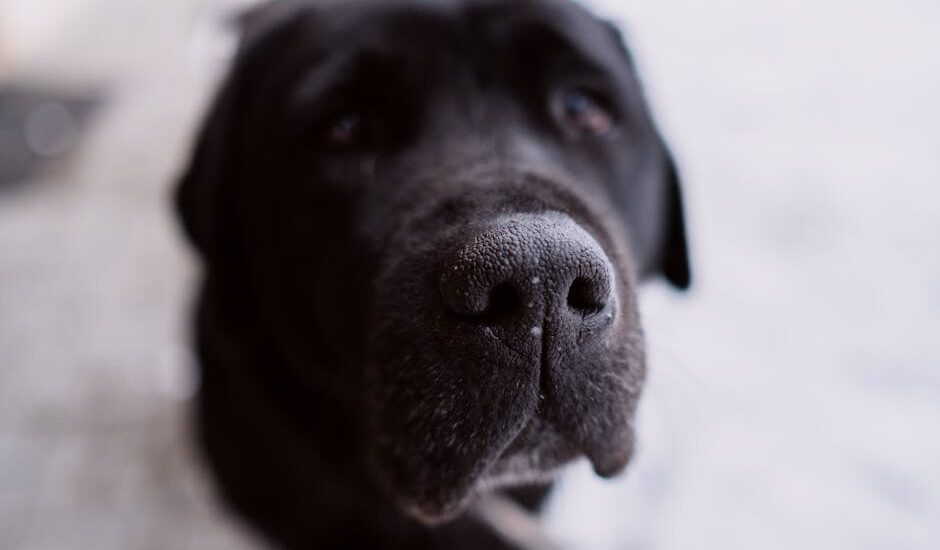
A dry nose in dogs is so common that it’s often dismissed as harmless—but it can also be one of the most confusing signals for owners. You might hear that a dog’s nose should always be cold and wet, but that’s not the whole story. In reality, a dry nose isn’t always a sign of illness, but there are cases where it signals something you shouldn’t ignore. The difference comes down to your dog’s breed, age, environment, and even their daily activities.
What Actually Causes a Dog’s Nose to Be Dry?
Several factors can lead to a dry nose in dogs, and most are completely normal. The most common reason is simply evaporation—dogs lose moisture from their noses while sleeping, especially if they’re curled up or lying near a heat source. Sun exposure is another culprit; even a short nap in a sunbeam can dry out a nose. Dehydration, allergies, and certain medical conditions may also play a role, but it’s important to look at the bigger picture before jumping to conclusions.
Normal vs. Concerning: When a Dry Nose Means More
Not every dry nose needs a vet visit, but context matters. If your dog’s nose is dry but they’re alert, eating, drinking, and behaving as usual, it’s probably nothing to worry about. However, a dry nose combined with lethargy, vomiting, loss of appetite, or a cracked, bleeding surface can signal trouble. Persistent dryness—lasting more than a day or coming with other symptoms—warrants a closer look. This is especially important for puppies and seniors, who are more vulnerable to dehydration and immune issues.
Breed-Specific Patterns: Why Some Dogs Have Drier Noses
Flat-faced (brachycephalic) breeds like Bulldogs, Pugs, and Shih Tzus are notorious for dry noses. Their unique facial structure can make it harder for them to lick their noses and keep them moist. Conversely, working breeds with longer snouts—like Retrievers and Collies—tend to have wetter noses, as their anatomy makes licking easier. Some breeds are also prone to immune-mediated conditions (like pemphigus or lupus) that can cause persistent nose dryness and crusting. Knowing your dog’s breed tendencies helps you calibrate your concern: what’s abnormal for a Labrador might be standard for a French Bulldog.
Age and Life Stage: Puppies, Adults, and Seniors
Puppies often have drier noses, especially during long naps or while teething. Their sleep cycles and developing immune systems mean a dry nose isn’t unusual—unless it’s paired with signs of dehydration or illness. Adult dogs generally have more stable hydration, but environmental factors (like a heated home in winter) can still cause dryness. Senior dogs, on the other hand, may experience persistent dryness due to age-related changes in their skin and immune function. For seniors, chronic dryness can also indicate underlying health problems, such as kidney or liver issues, so it’s worth monitoring closely.
Environmental and Lifestyle Factors That Dry Out a Dog’s Nose
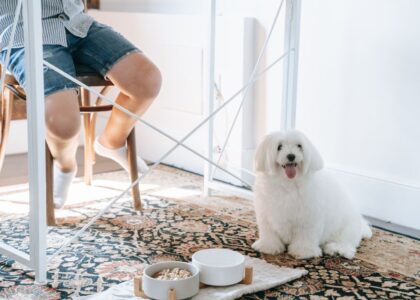
Central heating, air conditioning, and low humidity can all strip moisture from a dog’s nose. Dogs that spend a lot of time outdoors—especially in wind or sun—are also more prone to dryness. Even plastic food and water bowls can contribute; some dogs develop contact allergies to certain plastics, which can lead to a dry, irritated nose. Switching to stainless steel or ceramic bowls can help. If your dog loves sunbathing, be aware that prolonged exposure can cause not just dryness but also sunburn, particularly in light-colored or thin-coated breeds.
Related Guides
Comparison Table: Common Causes and Solutions for Dry Noses in Dogs
| Cause/Approach | Typical Duration | Risk Level | Best For | Intervention Needed? |
|---|---|---|---|---|
| Normal Sleep/Wake Cycle | 1–3 hours | Low | All breeds, all ages | No |
| Environmental Exposure | Up to 12 hours | Low–Medium | Outdoor dogs, sunbathers | Optional (hydration, shade) |
| Breed-Specific Anatomy | Ongoing | Medium | Brachycephalic breeds | Occasional moisturizing |
| Allergic Reaction | Variable (days–weeks) | Medium | Dogs with skin sensitivities | Yes (remove triggers) |
| Medical Condition | Persistent | High | Seniors, immune-prone breeds | Yes (veterinary care) |
Pricing context: $, $$, and $$$ are relative ratings against the other products listed above, not absolute dollar ranges. Live current prices follow below.
Common Mistakes: What Not to Do When Your Dog’s Nose Is Dry
One of the most frequent errors is overreacting to a dry nose alone. Rushing to apply petroleum jelly or human moisturizers can actually make things worse—many contain ingredients that are unsafe for dogs to ingest. Likewise, ignoring accompanying symptoms (like cracking, bleeding, or behavioral changes) can delay needed medical care. Another common mistake is attributing every dry nose to dehydration and overwatering your dog, which can stress their kidneys. Always look at the full picture—nose condition, behavior, hydration, and overall health—before acting.
When Should You Be Concerned Enough to Call the Vet?
Any dry nose that’s persistent (24+ hours), cracked, bleeding, or accompanied by other symptoms (fever, lethargy, vomiting, diarrhea, loss of appetite) should be checked by a veterinarian. For puppies and seniors, act sooner—these age groups are less resilient to dehydration and illness. Dogs with known autoimmune or skin conditions require special vigilance, as changes in nose texture or color can signal flare-ups. If you’re ever unsure, err on the side of caution and consult a professional. For more on canine health standards, see the American Kennel Club’s guidelines.
Safe Ways to Soothe a Dry Dog Nose
If your dog’s dry nose isn’t linked to illness, you can help with a few simple steps. Encourage regular water breaks (most adult dogs need at least 1 ounce of water per pound of body weight daily). Use a humidifier in dry environments—aim for 40–60% humidity indoors. For breeds with chronic dryness, consider a dog-safe balm (free from zinc oxide, parabens, and artificial fragrances). Never use human sunscreen or lotion unless specifically approved for canine use. Switching to stainless steel or ceramic bowls can also help, especially for dogs with contact allergies. Compare today’s dog-safe balm options.
Breed and Coat Color: Special Considerations for Sun and Weather
Light-coated or hairless breeds, such as Chinese Cresteds or Dalmatians, are more susceptible to sunburned noses. These dogs may need extra protection during outdoor activities—dog-safe sunscreen (not human formulas) is a must if you live in a sunny climate. On the other hand, thick-coated breeds may develop dry noses in winter, when forced-air heating dries out the air. For these dogs, a combination of indoor humidity control and periodic moisturizing is often the best strategy. See what’s available for breed-specific nose care.
Why the Wet Nose Myth Persists—and Why It’s Not the Whole Truth
The idea that a wet nose always signals health dates back to early veterinary medicine, but it’s an oversimplification. While a moist nose can help dogs with scent detection and temperature regulation, it’s not a reliable health indicator on its own. Healthy dogs can have dry noses after sleeping, during hot or cold weather, or just from licking less frequently. The key is to look for patterns and changes over time, not just a snapshot. For a deeper dive into canine nose health, the Wikipedia entry on the dog nose is a useful resource.
FAQ: Dry Nose Dog Questions Answered
How long is it normal for a dog’s nose to stay dry after sleeping?
It’s common for a dog’s nose to be dry for 1–3 hours after waking from a nap. As your dog becomes more active and starts sniffing, their nose typically regains moisture naturally. If dryness persists beyond half a day, check for other signs of illness.
Is a dry nose or warm nose more concerning for puppies?
Puppies often have warm, dry noses after sleeping or during teething. This alone isn’t cause for concern unless it’s paired with lethargy, refusal to eat or drink, or other symptoms like vomiting. Always monitor for rapid changes in behavior.
Dry nose vs. cracked nose—when should you worry?
Dryness alone is usually benign, but a cracked, bleeding, or scabbed nose can indicate a deeper problem, such as infection or an autoimmune disorder. Persistent cracks (lasting more than 24–48 hours) should always be evaluated by a veterinarian.
Can allergies cause a dog’s nose to dry out for days?
Yes, environmental or contact allergies can cause a dog’s nose to be dry, irritated, or even crusty for several days. Identifying and removing the allergen—such as switching food bowls or avoiding certain plants—can help, but ongoing symptoms need professional attention.
What’s the best way to moisturize a dog’s dry nose safely?
Use a balm specifically formulated for dogs, as these are made to be safe if licked. Avoid human lotions and petroleum jelly, which can be harmful if ingested. Apply a thin layer as needed, and monitor for improvement within 1–2 days.
Is a wet nose really a sign of a healthy dog, or is that a myth?
A wet nose can aid scent detection and cooling, but it’s not a foolproof health indicator. Many healthy dogs have dry noses at various times, and some sick dogs have wet noses. Always consider the overall context and behavior, not just nose moisture.
Are some breeds more prone to chronic nose dryness?
Yes, brachycephalic (flat-faced) breeds and dogs with autoimmune skin conditions are more likely to have persistently dry noses. Owners of these breeds should watch for additional symptoms and consider regular, breed-appropriate nose care.
Takeaway: Context, Not Just Texture, Tells the Story
A dry nose in your dog is rarely an emergency, but it’s never something to ignore completely. What matters most is the context—duration, accompanying symptoms, your dog’s breed, and their behavior. Most dry noses resolve with simple tweaks, but persistent, cracked, or painful noses deserve a professional look. When in doubt, trust your instincts and consult a vet. And remember: a healthy dog’s nose is defined by much more than just moisture.
Last updated: July 2026 · How we put guides together