Disclosure: As an Amazon Associate and eBay Partner Network publisher, we earn from qualifying purchases. This doesn’t affect what we recommend or how we describe it.
7 min read
Most harness reviews leave out the real reason dogs escape, pull, or hate harnesses: fit and function matter far more than flashy features. The best harness for a broad-chested Staffie isn’t the best for a whippet, and what keeps a 90-pound adolescent from lunging might chafe a senior’s shoulders raw. Before you buy, focus on your dog’s body type, behaviour, and real-world needs—not just what’s trending or highly rated.
Harness Types That Actually Solve Real-World Problems
Dog harnesses aren’t one-size-fits-all, and the differences aren’t just cosmetic. Here’s how the main harness designs address specific issues:
- Front-clip harnesses redirect pulling by attaching the leash at the chest, making them a go-to for leash manners training. They’re rarely escape-proof for Houdini hounds, though.
- Back-clip harnesses offer comfort and freedom of movement—ideal for calm walkers and small breeds—but give determined pullers leverage to drag you down the block.
- Dual-clip harnesses combine both, letting you switch leash position depending on context: front for control, back for casual strolls. Look for models with reinforced front D-rings if your dog is strong.
- Step-in harnesses are easiest for dogs who hate things going over their head. They’re popular for toy breeds but can gape on deep-chested dogs.
- Escape-proof harnesses add a third strap behind the ribcage. These are essential for sighthounds, anxious rescues, or any dog with a history of slipping out on walks.
For most owners, the right type depends on your dog’s pulling habits, neck-to-chest ratio, and security needs. Don’t be swayed by “no-pull” claims unless the harness’s actual structure matches your dog’s behaviour.
When you want a brand-new unit with the full warranty, Amazon’s catalogue is usually the deepest.
Find on Amazon →Real-World Harness Comparison: What Matters Most
This table breaks down key harness profiles against the criteria that actually change daily walks—not just marketing buzzwords.
| Harness Profile | Best For | Chest Girth Range | Leash Clip(s) | Escape-Proof? | Padding/Chafe Protection | Reflective/Visibility | Machine Washable? | Price Range |
|---|---|---|---|---|---|---|---|---|
| Front-clip training harness | Pullers, leash training | 35–98 cm (S–XL) | Front + Back | No | Neoprene chest pad | Yes (strips) | Yes | Mid |
| Escape-proof 3-strap harness | Houdini dogs, sighthounds | 40–110 cm (M–XXL) | Back only | Yes | Fleece lining | Limited | No (hand wash) | Mid–High |
| Step-in mesh harness | Toy/small breeds, seniors | 28–58 cm (XS–M) | Back only | No | Soft mesh | No | Yes | Low |
| Heavy-duty padded harness | Large breeds, power pullers | 55–120 cm (L–XXL) | Front + Back + Handle | Some models | Wide foam padding | Yes (full body) | Partial | High |
| Minimalist hiking harness | Active dogs, sport use | 40–100 cm (M–XL) | Back only | No | Breathable mesh | Yes (piping) | Yes | Mid |
Getting the Fit Right: Where Most Owners Go Wrong
The most common reason harnesses fail isn’t poor quality—it’s sizing mistakes. Measure your dog’s chest girth at its widest point (just behind the front legs) with a flexible tape. Compare to the harness’s actual adjustment range, not just the “breed suggestion” on the tag. For deep-chested breeds (greyhounds, whippets, pointers), choose harnesses with a longer body panel or an extra belly strap to prevent slipping out backwards.
Don’t rely on weight alone. For example, a 12 kg Frenchie has a very different shape than a 12 kg cocker spaniel. Always check for at least 2 cm of adjustability in both directions to accommodate fur thickness and seasonal weight changes.
Breed and Life Stage: Which Harness for Which Dog?
Breed structure and age dramatically affect harness choice. Here’s what to watch for:
- Sighthounds (whippets, greyhounds): Need escape-resistant, three-strap designs. Their deep chests and narrow waists make standard harnesses easy to back out of.
- Brachycephalic breeds (pugs, bulldogs): Opt for wide, padded chest panels to avoid airway pressure. Step-in mesh harnesses are often most comfortable.
- Puppies: Look for lightweight, highly adjustable harnesses. Puppies outgrow sizes fast—models with 10 cm+ of adjustment are practical. Avoid heavy-duty options until growth slows.
- Senior dogs: Soft mesh or fleece-lined harnesses minimize chafing. Easy step-in or overhead styles reduce joint strain. For mobility issues, consider a harness with a sturdy lift handle.
- Large, muscular breeds: Reinforced harnesses with wide straps (minimum 2.5 cm) and padded panels distribute force. A handle on the back can help with control in crowds or at the vet.
Why Safety Ratings and Materials Matter—Beyond the Marketing
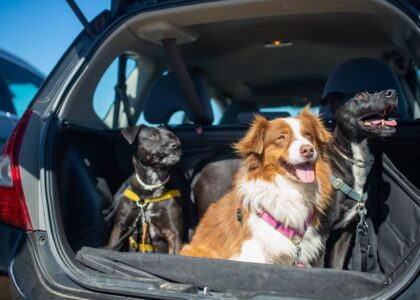
Not all harnesses are crash-tested or escape-proof, but some features do make a difference. For car travel, look for harnesses with metal hardware and crash-test certification (usually tested for dogs up to a certain weight, e.g., 30 kg). For daily walking, double-stitching, reinforced webbing (rated to at least 200 kg breaking strength), and rust-proof buckles are worth paying for—especially if you have a strong or reactive dog.
Reflective material isn’t just a bonus: strips at least 10 mm wide on the chest and sides make a real difference for pre-dawn or evening walks. Machine washing is a must for muddy adventurers; check that the harness won’t degrade after repeated cycles.
Common Mistakes: What Most Reviews Don’t Tell You
- Ignoring buckles: Quick-release plastic buckles can be a weak point for powerful dogs. If your dog has ever broken a collar, opt for metal hardware.
- Assuming “no-pull” means instant results: No harness will train leash manners on its own. Expect to pair it with consistent training.
- Overlooking chafing risk: Harnesses with exposed seams or rough edges can cause sores, especially behind the elbows. Look for models with smooth, padded edges if your dog has short fur.
- Misjudging escape risk: Dogs with flexible shoulders or anxiety can back out of almost any two-strap harness. For high-risk dogs, three-strap models are essential.
When you want a brand-new unit with the full warranty, Amazon’s catalogue is usually the deepest.
Compare Options on Amazon →FAQ: Real Owner Questions About Dog Harnesses
How do I know if my dog’s harness fits properly?
A well-fitting harness sits snugly against the chest and ribs without pinching or gaping. You should be able to fit two fingers between the harness and your dog’s body at all points. Watch for rubbing behind the front legs after walks, which signals a poor fit or rough seams.
Can a harness stop my dog from pulling?
A front-clip harness can help reduce pulling by redirecting force, but it’s not a cure-all. Consistent leash training is still necessary. For severe pullers, combine a front-clip design with positive reinforcement training for best results.
What’s the safest harness style for car travel?
Look for harnesses specifically crash-tested for car use, usually rated for dogs up to 30 kg. These harnesses often use metal buckles and reinforced webbing. Never use a regular walking harness as a car restraint if it’s not crash-tested—failure can risk serious injury.
Which harness works best for small dogs?
Soft mesh step-in harnesses are usually most comfortable and secure for small breeds. Look for models with chest girth adjustability between 28–50 cm and lightweight buckles. Avoid bulky, heavy-duty styles that can impede movement or cause chafing.
How can I prevent my dog from escaping their harness?
Choose a three-strap “escape-proof” harness, especially for sighthounds or anxious rescues. Secure all buckles, and check the fit around the narrowest part of your dog’s ribcage—if you can pull it over the shoulders when fastened, it’s too loose or the wrong style.
Is it safe for my dog to wear a harness all day?
Continuous wear can cause rubbing and pressure sores, especially in hot weather or on short-coated dogs. Remove the harness when indoors or unsupervised to prevent discomfort and skin issues. Regularly check for signs of chafing or hair loss.
Finding the Best Value for Your Dog—And Your Routine
Don’t buy a harness based solely on price or popularity. A $20 step-in mesh harness is fine for a calm Maltese, but will fail a 40 kg German shepherd with a prey drive. Prioritize the right shape, adjustment range, and safety features for your dog’s needs. For most owners, a dual-clip harness with at least 8–10 cm of girth adjustment and reinforced seams strikes the best balance between comfort and control. View available options
When to Upgrade—And When to Stick With What Works
If your harness leaves marks, your dog slips out, or you’re still struggling with pulling after weeks of training, it’s time to try a new profile. Don’t be afraid to adjust fit seasonally, or to own more than one harness for different activities (e.g., hiking vs. city walks). Check current prices
Bottom Line: Fit and Function Over Hype
The right harness isn’t about the most features or the highest price—it’s about what keeps your dog safe, comfortable, and under control on your real walks. Measure carefully, match the harness profile to your dog’s body and behaviour, and don’t settle for a generic fit. Your dog will thank you—and your shoulders might, too.
Related Guides
- Step-In Dog Harnesses Reviewed: Which Ones Are Worth It?
- Is Diarrhea a Sign of Dehydration in Dogs? What Owners Should Know
- Our guide to How to Help Your Dog Relax Around Your Cat: A Step-by-Step Guide
- Slow Feeders vs Puzzle Feeders: Which Is Better for Your Dog?
- Our guide to Tips for Managing a 1-Year-Old, 8-Month-Old Dog’s Behavior and Training
- Browse all Buying Guides →
- Dewormers for Dogs 2026: Tried, Tested and Reviewed