8 min read
Disclosure: As an Amazon Associate and eBay Partner Network publisher, we earn from qualifying purchases. This doesn’t affect what we recommend or how we describe it.
There’s a reason so many dog owners dread the words “soft poop in the grass.” Firm stools are easy: a quick bag grab and you’re done. But when your dog leaves behind a pile of pudding-like mess—especially nestled in long grass—scooping turns into an exercise in frustration, embarrassment, and sometimes, futility. The most important thing to know? There are specific tools, tricks, and strategies that can make this less of a disaster. The difference between smearing poop deeper into the lawn and actually removing it comes down to your technique, your gear, and a little bit of science. For more detail, see Dog care basics from AVMA.
Why Soft Poop Is So Difficult to Pick Up (and What Actually Helps)
Soft dog poop isn’t just unpleasant—it’s a practical challenge. Unlike firm stools, loose or mushy poop clings to blades of grass, collapses under pressure, and often breaks apart when you try to scoop it. The moisture content (often above 75%) means it spreads easily and sticks to surfaces. Standard poop bags, which work by enveloping and lifting, simply aren’t designed for this scenario. Even most pooper scoopers struggle, especially if the grass is long (over 3 inches) or wet. For more detail, see Overview of dog feces.
The right approach depends on understanding what you’re dealing with: how soft is the poop? How tall is the grass? Is the area dry or muddy? Matching your method to the mess is key. Let’s break down your real-world options.
Looking to compare current options? Take a look →
Comparison Table: Soft Poop Pickup Methods for Grass
| Method/Tool Profile | Best For | Mess Containment | Grass Height Suitability | Environmental Impact | Ease of Use | Reusable? |
|---|---|---|---|---|---|---|
| Disposable glove + paper towel | Quick cleanup, small areas | Very high | Short to medium (up to 3″) | Low (single-use waste) | Simple, but hand exposure risk | No |
| Stiff cardboard or spatula scoop | Large or runny spots | Moderate (risk of smearing) | Medium to tall (3-6″) | Moderate (can reuse tool) | Requires bending, some skill | Yes (if cleaned) |
| Dog-safe absorbent powder | Watery or diarrhea cleanup | Very high (solidifies mess) | Any height | Moderate (biodegradable options exist) | Easy, but wait time needed | No (powder is single-use) |
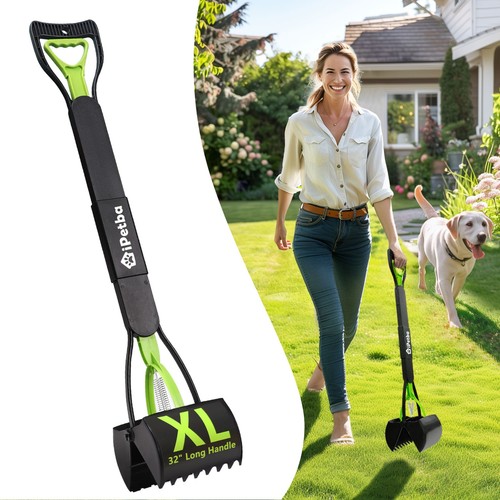
| Pooper scooper with rake/trowel | Soft but not runny poop | Moderate (not for diarrhea) | Short to medium grass | High (reusable) | Easy for most users | Yes |
| Old towel or rag “lift & drag” | Last resort for extreme mess | High (removes residue) | Any, especially long grass | Low (creates laundry waste) | Messy, but thorough | Yes (if washed) |
| High-pressure water (hose) | At home, not public spaces | Removes residue, not pickup | Any | Depends (water runoff) | Easy, but only for private yards | Yes |
Choosing the Right Method for Your Situation
Not all soft poop is created equal, and neither are your cleanup options. Here’s how to match your approach to the reality on the ground—literally.
- For slightly soft, shapeless stools: A high-quality poop bag with a reinforced base (thicker than 20 microns) can sometimes work if you gently scoop from the side, using the bag as a glove. For grass under 2″, this is often sufficient.
- For messy, pudding-consistency poop: Disposable gloves plus several layers of paper towel let you gently press down and lift the bulk without pushing it deeper into the grass. Fold and pinch the towel around the mess, then invert the glove over the whole package. This is most effective in grass 1-4″ tall.
- For true diarrhea or liquid mess: Absorbent dog-safe powders (often made from cellulose or clay, with a recommended use of 2-3 tablespoons per spot) can turn liquid into a gel within 60-120 seconds. You then lift the gelled mass with a scoop or towel. This minimizes smearing and is especially helpful for tall or damp grass.
- For at-home cleanup: When you’re not in public, a dedicated spatula or flat garden trowel (at least 3″ wide) lets you slide under the mess, lifting both poop and a thin layer of grass. Rinse with a hose afterward. For residue, a quick blast from a high-pressure nozzle finishes the job.
- For stuck-on residue: An old towel or rag, used to blot and wipe, can help lift what’s left. Use disposable if you don’t want to launder after.
Need to stock up for your next walk or yard patrol? Compare today’s deals on absorbent powders, gloves, and scooping tools designed for tough messes.
Breed, Size, and Age: When Soft Poop Cleanup Gets Trickier
Your dog’s breed and life stage can make a big difference. Large breeds (over 60 lbs) produce more volume, and their poop tends to spread wider—meaning you may need more absorbent material or a wider scoop. Puppies and seniors, who often have sensitive stomachs, are more prone to loose stool. Their messes are usually smaller in volume but can be even softer, especially during dietary transitions or illness.
Long-haired breeds may also leave more residue behind, as fur can drag poop into the grass. For these dogs, using an absorbent powder and a wide, flat tool helps minimize what gets left behind. If your dog is on a prescription diet or has chronic digestive issues, expect to deal with soft poop more often—invest in a reusable scooper and keep a stash of gloves and towels handy.
Safety and Hygiene: What You Must Not Overlook
Soft stool carries a higher risk of spreading bacteria and parasites—not just to other dogs, but to people and wildlife. Always use gloves or a bag barrier (minimum 15 micron thickness for leak protection). After cleanup, wash your hands with soap and water, even if you wore gloves. When using absorbent powders, check that they’re labeled as non-toxic and safe for pets and lawns. Never use household cleaning powders not intended for animal waste—they often contain chemicals or fragrances that can harm your dog or damage grass.
For public spaces, always remove as much residue as possible. Leaving soft poop behind isn’t just unsightly—it can spread pathogens like Giardia or parvovirus. Some municipalities require you to remove all visible waste, regardless of consistency.
For at-home yards, rinsing with water after picking up can help dilute and disperse any remaining bacteria. Avoid using bleach or harsh chemicals on grass, as these can burn lawns and pose risks to pets.
Related Guides
- Our guide to Dog Poop Scoopers, Reviewed for Cleaner Walks
- Our guide to Is Diarrhea a Sign of Dehydration in Dogs? What Owners Should Know
- How to Help Your Dog Relax Around Your Cat: A Step-by-Step Guide
- Our guide to Slow Feeders vs Puzzle Feeders: Which Is Better for Your Dog?
- Tips for Managing a 1-Year-Old, 8-Month-Old Dog’s Behavior and Training
- Browse all Care Guides →
- Dog Whistles That Actually Work: A Practical Buyer’s Guide
- Dog Grooming Gloves That Really Work: Hands-On Reviews
Common Mistakes That Make Cleanup Harder
- Pushing instead of lifting: Trying to scoop soft poop by pushing a bag or tool into it usually just spreads it wider. Always approach from the side and lift up, cradling the mess.
- Using thin bags or single-layer paper: Thin bags (under 10 microns) tear easily and offer zero leak protection. Use at least two layers of paper towel or a reinforced bag.
- Waiting too long: Soft poop dries quickly at the edges and sticks more firmly to grass, making removal harder. Clean up as soon as possible for best results.
- Skipping gloves: Even if you’re careful, soft stool can seep through bags or towels. Gloves provide a crucial barrier, especially if your dog has had digestive issues.
- Improper disposal: Never leave soiled towels, wipes, or gloves on site. Double-bag waste and dispose of it in a sealed trash container.
Looking for heavy-duty gloves or biodegradable absorbent powders? See what’s available for your next yard patrol.
Environmental Impact: Reducing Waste and Lawn Damage
Single-use wipes, plastic gloves, and bags add up quickly. If you deal with soft poop often, consider reusable options: a dedicated silicone spatula (dishwasher safe, 3-4″ wide), washable cloths, and compostable bags (certified to ASTM D6400 or EN 13432 standards). For absorbent powders, look for biodegradable formulas free from artificial scents or dyes. Never use cat litter, as most types contain clumping agents or perfumes unsafe for dogs and lawns.
When rinsing residue from grass, use just enough water to disperse bacteria—overwatering can cause runoff issues. Never wash poop into storm drains or public waterways.
FAQ: Real Answers to “How Do You Pick Up Soft Poop in the Grass?”
What’s the easiest way to pick up loose dog poop on grass?
The fastest and least messy method is to use a dog-safe absorbent powder to solidify the mess, then lift it with a sturdy scoop or several layers of paper towel. For firmer soft poop, a reinforced bag or glove works if you scoop gently from the side.
Can I use household cleaning powders or cat litter for dog poop cleanup?
It’s not recommended. Most household powders and cat litters contain chemicals, fragrances, or clumping agents unsafe for pets and lawns. Always use a product labeled as pet-safe and biodegradable.
How do I clean up diarrhea or liquid messes in public parks?
First, blot up as much as possible with paper towels or a disposable rag. Apply a dog-safe absorbent powder if available, then lift the solidified waste. Always carry extra gloves and towels for emergencies when walking in public spaces.
Is it okay to hose down soft poop in my own yard?
Yes, if you’re at home and the area is not near storm drains or waterways. Pick up as much as possible first, then use a hose with moderate pressure to rinse any residue. This helps protect your grass and reduces lingering odors.
Why does my dog keep having soft poop?
Occasional soft stools can result from diet changes, stress, or minor digestive upsets. If your dog has ongoing diarrhea or very loose stools, consult your veterinarian to rule out allergies, infections, or chronic conditions. Never diagnose or treat at home without professional guidance.
What should I do if soft poop gets stuck in my dog’s fur?
Use damp paper towels or pet-safe wipes to gently remove the residue. For long-haired breeds, trimming fur around the rear can help prevent future messes. Always clean the area promptly to avoid matting and skin irritation.
Are biodegradable bags strong enough for soft poop?
Only if they’re certified compostable and at least 15-20 microns thick. Some eco-friendly bags tear easily, so double-bagging or using a glove inside the bag is a smart backup for very loose messes.
When to Seek Veterinary Advice About Your Dog’s Stool
If your dog’s poop is consistently soft, watery, or contains blood or mucus, it’s time to call your vet. Occasional soft stools happen, but ongoing issues can signal food intolerance, parasites, or other health problems that need professional attention. Never attempt to treat chronic diarrhea with over-the-counter remedies without veterinary input.
My Take: The Best Strategy for Soft Poop in Grass
Soft poop in grass will never be fun, but it doesn’t have to be a disaster. For most situations, a combination of gloves, absorbent powder, and a sturdy scoop is your best bet for clean, quick removal—without ruining your lawn or your day. Keep a cleanup kit ready, act fast, and always prioritize hygiene. Your shoes, your neighbors, and your dog will thank you. Ready to upgrade your cleanup game? Check current prices on the most effective tools for the job.