Disclosure: As an Amazon Associate and eBay Partner Network publisher, we earn from qualifying purchases. This doesn’t affect what we recommend or how we describe it.
7 min read
One in three dogs will get lost at some point in their lives, and while microchips help, most dogs are returned home thanks to a simple ID tag. But not all tags are created equal—between breakaway clasps, worn text, jingly noise, and the challenge of fitting crucial info on a tiny piece of metal or silicone, the best ID tag for your dog depends on their size, lifestyle, and even their chewing habits. Before you pick the first cute tag you see, it’s worth digging into what actually keeps your dog safe and easy to identify—especially when seconds count.
What Matters Most in a Dog ID Tag: Durability, Readability, and Safety
The best ID tag is the one that stays with your dog, stays legible, and doesn’t pose a risk. For a tag to actually help in an emergency, it must survive rough play, water, mud, and years of jingling against a collar. Laser-engraved stainless steel remains the gold standard for longevity—look for tags at least 1.5mm thick, with deep engraving rather than surface etching. For dogs who play rough or swim often, silicone and polymer tags offer quieter, rust-proof alternatives, but not all stand up to gnawing or UV exposure.
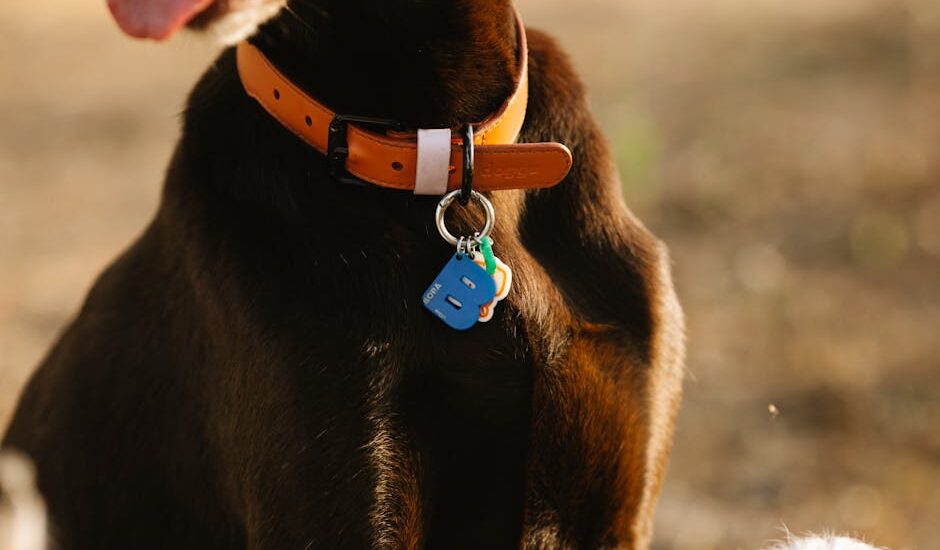
Font size is critical. If you have a toy breed, you’ll need a tag no larger than 25mm diameter, but one that still fits at least your phone number in 12-point type or larger. For large breeds, a 30-35mm tag gives you room for two phone numbers and a medical alert if needed. Always check the maximum character count and ensure the tag’s hardware (split ring or S-hook) is rated for at least 30 lbs of pull—cheap rings are notorious for bending or breaking.
If you want the newest model, free returns, and quick shipping, Amazon is the easiest place to compare.
See on Amazon →Comparison Table: Best Dog ID Tag Profiles by Owner Need
| Buying Profile | Best For | Material & Size Range | Noise Level | Engraving Method | Attachment Type | Standout Feature |
|---|---|---|---|---|---|---|
| Heavy-duty, adventure-ready | Large/active dogs, water lovers | Stainless steel, 30–35mm | Moderate | Deep laser engraving | Welded split ring, rated 50+ lbs | Won’t rust or fade, survives mud & saltwater |
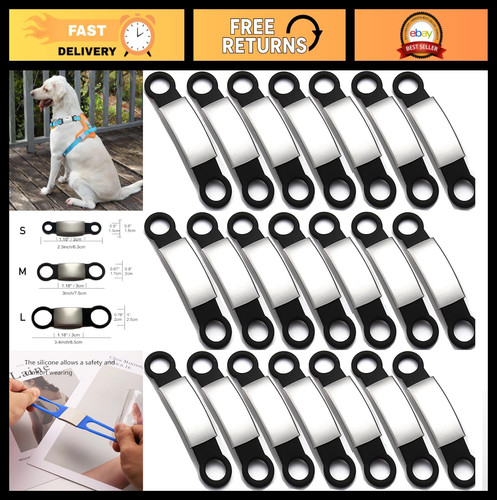
| Silent, chew-resistant | Noise-sensitive or mouthy dogs | Thick silicone, 28–32mm | Silent | Molded or laser-etched | Integrated collar slide | No jingle, resists chewing, flexible |
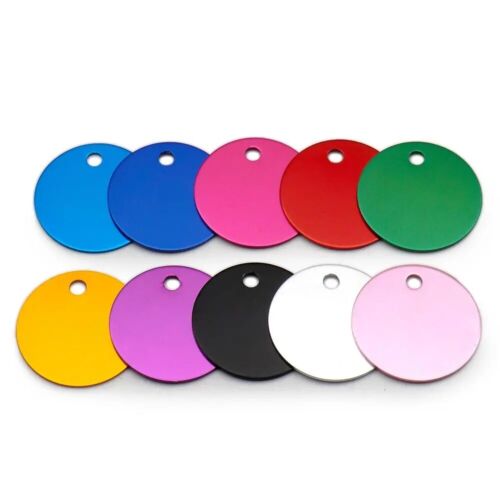
| Puppy-safe, lightweight | Small breeds, puppies under 10 lbs | Aluminum or polymer, 19–25mm | Low | Laser-engraved | S-hook or mini ring | Featherlight, safe for delicate necks |
| Budget, basic | Backup tags, foster dogs | Stamped aluminum, 25–30mm | Moderate | Stamped or surface-etched | Standard split ring | Cheap, easy to replace, short-term use |
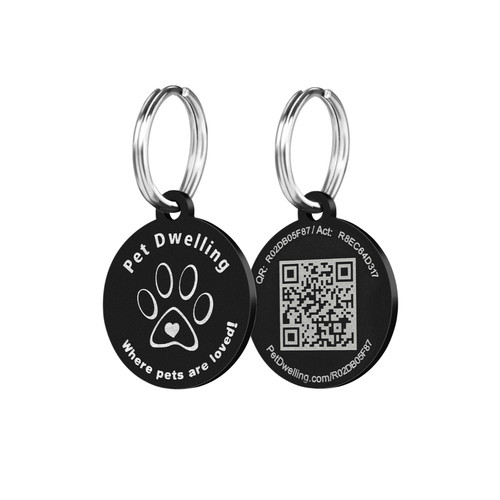
| Medical alert | Dogs with allergies, meds, or conditions | Stainless steel, 28–35mm | Moderate | Deep laser engraving, color fill | Heavy-duty ring | Customizable medical symbols, 3+ lines |
How to Choose the Right Tag for Your Dog’s Size and Lifestyle
Start by matching tag size to your dog’s breed and neck size. For Chihuahuas, Yorkies, or toy Poodles, anything over 25mm can be bulky and uncomfortable—look for tags weighing less than 8 grams. For Labs, Shepherds, or Huskies, a tag smaller than 28mm is easy to overlook or lose in thick fur. If your dog is a power chewer, avoid thin aluminum or soft silicone tags; instead, opt for stainless steel or dense, chew-resistant polymers.
Active dogs who swim, hike, or tumble at the dog park need corrosion-proof tags and reinforced hardware. For city dwellers or couch potatoes, noise may be a bigger concern, especially in apartments. In those cases, a silicone slide-on tag (which threads directly onto the collar) eliminates jingling entirely and can’t be snagged or chewed off as easily.
For escape artists or fence jumpers, consider doubling up: a primary tag with your number, plus a secondary tag with “Needs Meds” or “Microchipped” in large type. And if your dog wears a harness on walks, attach a backup tag there—collars can slip off, but harnesses usually stay put.
See what’s availableWhat Information Should You Put on a Dog ID Tag?
At minimum, include a phone number you always answer. If space allows, add your city and state—this helps local finders return your dog faster. For dogs with medical needs, “Needs Meds” or “Diabetic” in large type can be lifesaving. Avoid putting your dog’s name front and center; while it feels personal, it can make it easier for thieves to call your dog by name. Instead, use “Call My Family” or simply your last name.
For tags with space for three or more lines (typically 30mm+), consider:
- Your primary phone number
- Alternate number (partner, neighbor)
- City/state or “Microchipped”
- Any urgent medical alerts
Test your chosen tag by writing your info on a piece of paper cut to the tag’s shape—if you can’t read it at arm’s length, neither can a stranger.
Breed-Specific and Life-Stage Tag Considerations
Flat-faced breeds like French Bulldogs or Pugs often have short necks and extra skin folds, making large or heavy tags uncomfortable. Opt for a soft-edged, lightweight tag under 25mm. For breeds with long, dense coats (like Collies or Newfoundlands), tags can get buried in fur—choose a tag with a bright color or reflective surface, at least 30mm across, so it’s visible.
Puppies outgrow collars fast and often chew on anything dangling. Use a mini tag (under 22mm, under 6g) and check weekly for wear or chewing. For seniors, especially those with hearing or vision loss, a medical alert tag is a smart upgrade—add “Senior” or “Deaf” if relevant. If your dog has a history of seizures, allergies, or medication needs, prioritize a tag with a distinct medical symbol and at least 2mm-deep engraving for longevity.
Safety Hazards and Common Mistakes with Dog ID Tags
Loose or poorly attached tags are a leading cause of lost tags—and lost dogs. Always use a split ring or S-hook rated for at least your dog’s weight; avoid keychain rings, which deform easily. For dogs who wrestle or play rough, slide-on tags (which fit flat against the collar) are safest, as they can’t snag or get caught in crates, fences, or other dogs’ jaws.
Never use tags with sharp edges or corners; these can irritate skin or cause injury, especially on short-haired breeds. Check your dog’s tag monthly—engraving wears down, and hardware loosens over time. If your tag is unreadable at a glance, it’s time to replace it. And remember: microchips are not a substitute for a visible tag, since most finders can’t scan chips at home.
Compare today’s dealsIf you want the newest model, free returns, and quick shipping, Amazon is the easiest place to compare.
Compare Options on Amazon →FAQs About Dog ID Tags
How often should I replace my dog’s ID tag?
Replace your dog’s tag as soon as engraving becomes hard to read, or if hardware shows signs of bending, rust, or cracking. For active dogs, check every 6–12 months; for couch potatoes, every 1–2 years may suffice. Tags exposed to saltwater or teeth may need even more frequent replacement.
What’s the safest way to attach a dog ID tag?
A welded split ring or an S-hook (properly crimped closed) is the most secure. For dogs who play rough or chew, a slide-on tag that threads directly onto the collar is safest—no dangling parts to catch or break. Avoid keychain-style rings, which can stretch and open unexpectedly.
Should I include my dog’s name on the tag?
It’s safer to leave your dog’s name off, as it can make theft easier. Instead, use your last name, your phone number, and a phrase like “Call My Family” or “Needs Meds.” This keeps your dog more secure and still provides all the info a finder needs.
Can dog ID tags cause allergies or skin irritation?
Nickel is a common allergen—if your dog develops redness or hair loss under the tag, switch to hypoallergenic stainless steel, silicone, or polymer tags. Ensure tags are free of sharp edges and check for any signs of rubbing or irritation, especially on short-coated breeds.
Are silent (non-jingling) tags as durable as metal ones?
High-quality silicone and polymer tags can be nearly as durable as steel, but cheap versions often tear or fade. For heavy chewers or working dogs, metal tags (with deep engraving) still last longer. Always check the tag’s thickness and attachment method for durability.
What should I do if my dog loses their tag?
Have a backup tag ready, and update your microchip info immediately. If your dog is lost without a tag, notify local shelters, vets, and online lost pet groups right away. Consider adding a GPS tracker or embroidered collar as a secondary ID for escape-prone dogs.
View available optionsMy Take: The Right Tag Is a Lifesaver—Invest in One That Lasts
The best dog ID tag isn’t about the cutest design or the lowest price—it’s the one that stays readable, attached, and visible through every adventure. For most dogs, a 28–35mm stainless steel or thick silicone tag, with deep engraving and a welded ring, offers the best balance of safety and longevity. Take the time to check your dog’s tag monthly, and don’t hesitate to upgrade if you spot wear. It’s a tiny investment that can make all the difference when your dog needs you most.
Related Guides