8 min read
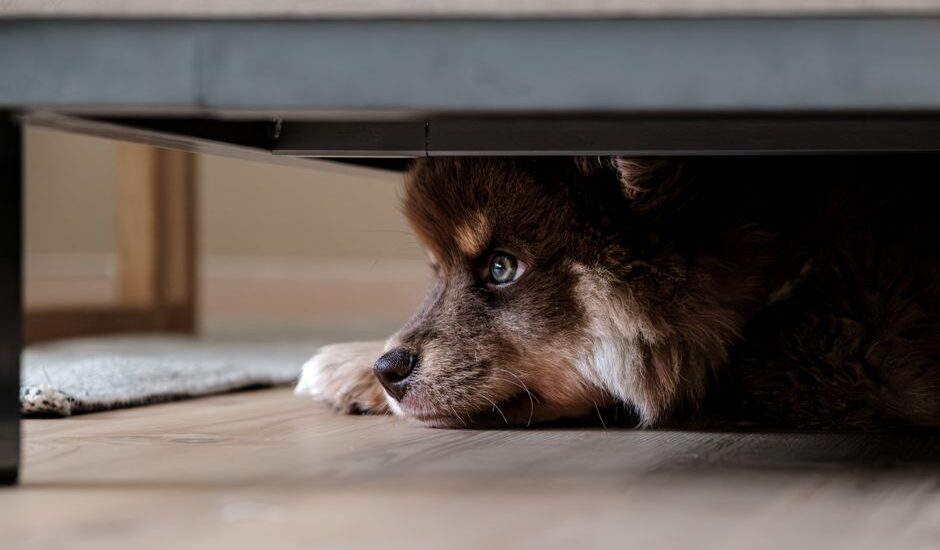
Up to 30% of dogs will seek out tight spaces like under beds for sleep or retreat, according to surveys by veterinary behaviorists. This isn’t just a quirky habit—it can be a window into your dog’s sense of safety, health, and even anxiety levels. If your dog has suddenly started sleeping under your bed, or you’re wondering if it’s safe to let them keep doing it, the answer isn’t one-size-fits-all. The “why” and “how” of this behaviour depend on breed, life stage, your home setup, and a few safety considerations most owners overlook.
Why dogs sleep under beds: comfort, security, or something else?
Dogs are den animals by instinct, but not all denning behaviours mean the same thing. A Labrador puppy might crawl under your bed for warmth and comfort, while a senior Chihuahua could be seeking relief from household chaos. Some dogs gravitate under beds because they’re anxious, ill, or overstimulated. Others just like the cool, dark, quiet spot. The key is context—what’s normal for your dog, and what’s changed?
- Puppies (2-6 months): Often seek small spaces for comfort and warmth, especially after leaving their litter.
- Adolescents (6-18 months): May use “hiding” as part of normal exploration or when overwhelmed by new environments.
- Adults (18 months–7 years): Preference for sleeping under beds can be habitual, or signal stress or boredom.
- Seniors (7+ years): Increasing time under beds may indicate pain, arthritis, or age-related anxiety—especially if this is a new behaviour.
If your dog has always chosen the under-bed spot and seems healthy and happy, it’s likely just a preference. Sudden changes, restlessness, or hiding paired with other symptoms (like appetite loss or limping) warrant a veterinary check.
Comparison table: under-bed sleep setups and their trade-offs
| Setup Type | Best For | Min. Clearance Needed | Ease of Cleaning | Safety Risk |
|---|---|---|---|---|
| Direct floor access | Small breeds, puppies | 15 cm (6″) | Low—hard to vacuum under | Moderate (dust, lost items) |
| Dedicated under-bed dog bed | Medium breeds, anxious dogs | 20–25 cm (8–10″) | Moderate—removable cover helps | Low (if sized correctly) |
| Portable crate under bed | Crate-trained dogs, travel | 30+ cm (12+”) | High—crates usually washable | Low (enclosed, secure) |
| DIY barrier to block access | Dogs with allergies, destructive habits | — | High—no access means easy cleaning | None |
| Low-profile platform bed | Large breeds, mobility issues | — | High—no under-bed space | None |
What most guides miss: breed and body shape matter more than you think
The size and shape of your dog are critical when it comes to under-bed sleeping. Many guides gloss over this, but a Dachshund’s long back or a Greyhound’s deep chest can make squeezing under a standard bed frame risky or uncomfortable. The minimum safe clearance for a dog to enter and exit comfortably is at least 1.5x their shoulder height. For example, a 30 cm (12″) tall Beagle needs at least 45 cm (18″) of clearance to avoid crouching or scraping their back.
- Short-legged breeds (Corgis, Dachshunds): Can often fit, but are prone to back injuries if forced to twist or duck. Avoid encouraging these breeds to use tight spaces.
- Large or giant breeds: Most can’t fit under beds without risk, and trying can cause joint strain or panic if stuck. For these dogs, consider a dedicated den-like bed instead.
- Brachycephalic breeds (Pugs, Bulldogs): Poor ventilation under beds can worsen breathing issues, especially in warm weather. Monitor closely or block access.
Always check for splinters, exposed staples, or sagging box springs—these hazards aren’t obvious until you get on the floor at dog level. If in doubt, measure your dog’s height and the bed’s clearance before deciding if under-bed access is safe.
Safety specifics: what to check before letting your dog sleep under the bed
Not every under-bed space is created equal. Here’s what to actually check, beyond the obvious:
- Clearance: Minimum 15 cm (6″) for toy breeds, 20–25 cm (8–10″) for medium, and 30+ cm (12+”) for large dogs. If your dog has to crawl, it’s too tight.
- Ventilation: Airflow under beds can be poor. In hot weather, the space can trap heat—especially with solid platform beds. Monitor temperature and humidity.
- Cleanliness: Dust, mould, and dropped items accumulate quickly. Plan to vacuum under the bed at least weekly if your dog sleeps there.
- Access to escape: Dogs need to exit easily in case of stress or emergency. Avoid blocking both sides of the bed with furniture or storage bins.
- Choking hazards: Check for lost socks, chargers, or toys that could be chewed or swallowed.
For dogs with allergies or chronic respiratory issues, sleeping under beds can make symptoms worse due to dust mites and poor airflow. If you notice sneezing, coughing, or skin irritation, reconsider letting your dog use this spot.
Red flags in listings to walk past
- No stated clearance or dimensions: If a bed or crate doesn’t specify height or width, it’s a gamble—many “fits under bed” products are too tall or too tight for real dogs.
- Stock photos only, no real dog shown: Listings that never show a dog using the product often hide scale problems. Look for user photos or explicit sizing charts.
- Non-removable covers: Under-bed dog beds or mats that can’t be machine-washed will quickly become allergen traps. Always check for “removable, washable cover” in the specs.
- Claims of “universal fit”: There’s no such thing for under-bed spaces—bed frame heights vary wildly. You need actual numbers, not vague promises.
- Assembly required but no tools included: If a barrier or platform bed requires assembly, make sure the listing specifies all hardware is included. Missing fasteners are a common frustration.
When “blocking access” is the better call
Sometimes the safest or healthiest option is to prevent under-bed access altogether. Common scenarios include:
- Dogs with severe allergies or asthma—dust and dander accumulate fast under beds.
- Senior dogs with arthritis or limited mobility—crawling in and out can worsen joint pain.
- Multi-dog households where one dog is resource-guarding the space.
- Persistent chewing or destructive behaviour—lost shoes and chewed wires are a genuine risk.
Simple solutions like foam pool noodles wedged under the bed, custom-cut plywood panels, or even commercial under-bed blockers can keep dogs out safely. For most homes, blocking access costs less than a new dog bed and makes cleaning easier.if you’re considering this route.
Related Guides
- Our guide to Do Dogs Dream While Sleeping? What Science Tells Us
- How to Apply Flea Treatment on Dogs: Step-by-Step Guide
- What Are Dew Claws in Dogs and Why Do They Matter?
- Why Do Dogs Eat Grass? Understanding This Common Canine Behavior
- Why Do Dogs Get the Zoomies After a Bath?
- Why Do Dogs Howl at Sirens? Unpacking the Science and Instincts
- Browse all Care Guides →
FAQs: Sleeping under beds—what owners really ask
Is it safe for my dog to sleep under the bed every night?
For most healthy dogs with sufficient clearance and good ventilation, sleeping under the bed is safe. However, monitor for signs of overheating, dust allergies, or difficulty entering/exiting. If your dog shows any distress or develops new symptoms, reassess the setup.
How much space does my dog need to fit comfortably under the bed?
A good rule is at least 1.5 times your dog’s shoulder height in clearance—typically 15 cm (6″) for small breeds, 20–25 cm (8–10″) for medium, and 30+ cm (12+”) for large dogs. This allows your dog to lie down and get up without crouching or scraping their back.
Should I be worried if my dog suddenly starts hiding under the bed?
A sudden change in behaviour—especially hiding or increased time under the bed—can signal anxiety, illness, or pain. If paired with other changes (appetite, energy, limping), consult your veterinarian. For some dogs, it’s just a phase, but persistent hiding deserves attention.
Crate under the bed vs open floor—what’s better for anxious dogs?
A crate under the bed can offer more security for anxious dogs, especially if they’re already crate-trained. It provides structure and safety, but be sure the crate fits comfortably with room for your dog to turn around. Open floor access is less confining but may not offer the same sense of safety for nervous dogs.
How often should I clean under the bed if my dog sleeps there?
Weekly vacuuming is recommended, especially if your dog has allergies or sheds heavily. Check for lost objects and wipe down surfaces every 2–4 weeks to prevent dust and mould build-up. Deep clean more often in allergy season or if you notice odours.
What if my dog gets stuck under the bed—how can I prevent this?
Stuck dogs are at risk for panic and injury. Ensure the space allows your dog to turn around fully and exit easily. Block access if the bed frame sags, has exposed springs, or the clearance is borderline. For peace of mind,on under-bed blockers or low-profile beds.
Real-world adjustments: tailoring the under-bed zone to your dog’s needs
Owners often overlook how simple tweaks can turn an under-bed space from a dust trap into a safe, cozy den. For anxious dogs, adding a washable mat or blanket can boost comfort—just make sure it’s thin enough not to reduce clearance below safe levels. For large breeds or seniors, a sturdy, low-profile bed placed next to (not under) your bed may offer the same sense of closeness without the awkward crawl.
If you travel often, a collapsible crate that fits under hotel beds can offer continuity and comfort for nervous dogs. Always double-check hotel bed clearance before relying on this setup. And for allergy-prone pups, a HEPA-filter air purifier near the bed can reduce dust exposure.
For more on canine sleep behaviours and denning instincts, the American Veterinary Society of Animal Behavior has helpful resources on what’s normal and when to seek help.
Ready to upgrade your dog’s under-bed setup or block access for safety?on dedicated under-bed beds, barriers, and washable mats designed for real-world use.
Opinion: Let your dog choose—within safe boundaries
There’s nothing wrong with a dog sleeping under the bed—as long as you’ve checked for safety, cleanliness, and fit. For some dogs, it’s the ultimate comfort zone; for others, it’s a warning sign of stress or discomfort. Let your dog’s health, size, and habits guide your decision, not just what’s convenient. A thoughtful setup—or a well-placed barrier—can make all the difference for both you and your dog.
Last updated: July 2026 · How we put guides together