8 min read
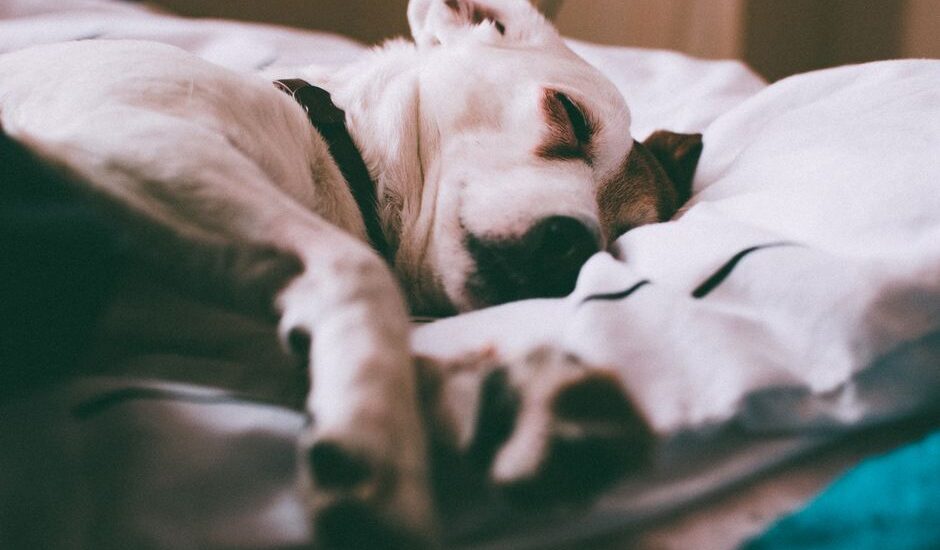
Most people assume dogs dream just like humans—twitching paws, soft whimpers, and rapid eye movements seem to prove it. But the reality is more nuanced. While research confirms that dogs do enter dream states, not every nap is filled with running in fields or chasing squirrels. The frequency, content, and even the function of canine dreams depend on a surprising mix of age, breed, and brain structure. Understanding what really happens in your dog’s sleeping mind can help you spot normal patterns, recognize signs of trouble, and appreciate just how different one dog’s dream life can be from another’s.
Spot the difference between canine and human dreaming
It’s tempting to project our own sleep experiences onto our dogs, especially when they seem so animated during naps. But the science shows canine sleep cycles are both similar and distinct from ours. Like humans, dogs experience rapid eye movement (REM) sleep—the phase most associated with vivid dreams. However, dogs reach REM much faster (about 20 minutes after falling asleep) and spend less total time there per cycle.
For example, a medium-sized adult dog may cycle through REM sleep every 20-30 minutes, with each REM phase lasting only 2-8 minutes. In contrast, adult humans typically reach REM after 90 minutes and stay in it for up to 30 minutes per cycle. This means dogs have shorter, more frequent opportunities to dream, but those dreams are likely briefer and more fragmented than ours.
Why does this matter? Dogs may appear to dream more often due to these frequent cycles, but the actual duration and complexity of their dreams may not match human experience. If your dog seems restless or vocal at night, it’s often just a normal part of their unique sleep-wake rhythm—not a sign of distress.
Choose the right sleep environment to support healthy dreaming
Dreaming in dogs isn’t just a curiosity—it’s a key part of healthy brain function. The right environment can help your dog transition smoothly between sleep stages, including REM. Overly bright rooms, frequent disturbances, or uncomfortable bedding can disrupt this process, leading to less restful sleep and potentially fewer or lower-quality dreams.
- Temperature: Most dogs prefer sleeping in rooms kept between 65-75°F (18-24°C). Overheated environments can shorten REM cycles.
- Bedding: Supportive beds sized to your dog’s length (measure nose to base of tail, add 8-12 inches) encourage deeper sleep.
- Noise: Consistent background noise (like a fan or white noise machine at 40-50 dB) can help mask disruptive sounds.
- Lighting: Dim lighting or blackout curtains promote melatonin production, making it easier for dogs to enter REM sleep.
Optimizing these factors won’t guarantee your dog has more entertaining dreams, but it will make their sleep more restorative—which matters for mood, learning, and even memory consolidation.
Comparison table: How different dog types experience sleep and dreams
| Dog Category | Typical REM Cycle Length | Dream Frequency (per night) | Common Dream Behaviours | Best Sleep Setup |
|---|---|---|---|---|
| Puppy (under 1 year) | 10-15 min | 15-20 | Full-body twitching, squeaks, paddling | Soft-sided crate, 2-3″ memory foam bed |
| Adult Small Breed | 15-20 min | 10-15 | Leg kicks, tail wags, muffled barks | Bolster bed, quiet corner, temp 70°F |
| Adult Large Breed | 20-25 min | 8-12 | Heavy breathing, deep vocalizations | Orthopedic bed, low-traffic area |
| Senior (over 7 years) | 20-30 min | 6-10 | Gentle twitches, occasional sighs | Low-entry bed, extra padding, 72°F |
| Anxious or Reactive Dog | Variable | 4-8 | Startling, whimpering, sudden waking | Enclosed den, calming scents, sound masking |
Beginner’s pre-purchase checklist
- Observe your dog’s sleep: Track how often and how long they nap—puppies and seniors may need 16-20 hours daily, adults 12-14 hours.
- Check for abnormal movements: Persistent, violent thrashing or waking with confusion may signal a medical issue—consult your vet before assuming “just dreaming.”
- Measure your dog’s sleeping space: For beds, add 8-12 inches to your dog’s length to ensure full stretch comfort during dream phases.
- Test sleep locations at different times: Note if your dog prefers quiet, darker spots, or needs white noise to settle into deep sleep.
- Review recent changes: Stress, diet, or new medications can alter sleep and dream patterns—note these before investing in new sleep gear.
- Research breed-specific quirks: Brachycephalic breeds (like bulldogs) may snore more and startle easily during REM, affecting dream behaviour.
See how age and breed shape your dog’s dream patterns
Not all dogs dream the same way—or with the same intensity. Puppies, for example, spend up to 75% of sleep in REM, compared to just 12-14% for mature adults. This means young dogs are much more likely to twitch, vocalize, or even paddle their legs as they process the avalanche of new experiences from each day.
Breed plays a role, too. Working and herding breeds often display more pronounced sleep movements, likely reflecting their active minds and physical routines. On the other hand, toy breeds may have briefer, quieter dream episodes. Brachycephalic breeds (those with short muzzles) are prone to sleep apnea, which can disrupt REM cycles and lead to more frequent waking—so their dreams may be shorter and less vivid.
Senior dogs, meanwhile, tend to sleep longer overall but experience less REM. Their dreams may be subtler—gentle twitches, soft sighs, or minor paw movements. If you notice your older dog becoming restless or confused upon waking, it’s worth discussing with your vet, as cognitive decline can change sleep architecture.
on beds and sleep aids tailored to your dog’s age and breed profile.
Why dogs twitch, bark, or run in their sleep (and when to worry)
It’s normal to see your dog’s paws flick, lips quiver, or hear muffled barks during sleep. These behaviors are most common during REM, when the brain is highly active but muscles are largely paralyzed (a state called atonia). However, the “paralysis” isn’t always complete—hence the visible twitches and sounds.
Occasional movement is healthy and expected. But if your dog thrashes violently, seems frightened, or wakes up disoriented, it could signal a problem such as REM Sleep Behavior Disorder (RSBD) or even a seizure. True RSBD is rare in dogs, but if you see repeated episodes of intense, coordinated movement (not just twitches), record a video and share it with your vet for further evaluation.
For most dogs, these nighttime antics are nothing to worry about. They’re likely “replaying” the day’s events or working through instinctual patterns—chasing, digging, or social interactions. Only intervene if your dog’s movements become dangerous (e.g., falling off furniture) or if you notice changes in their overall sleep quality.
for safe, supportive sleep setups that minimize injury risk during active dreaming.
Related Guides
- Our guide to How to Apply Flea Treatment on Dogs: Step-by-Step Guide
- What Are Dew Claws in Dogs and Why Do They Matter?
- What Is Dog Whisker Fatigue and How Does It Affect Your Pet?
- Why Do Dogs Eat Grass? Understanding This Common Canine Behavior
- Why Do Dogs Get the Zoomies After a Bath?
- Why Do Dogs Howl at Sirens? Unpacking the Science and Instincts
- Browse all Health & Wellness →
Learn from the science: What studies reveal about dog dreams
Decades of research on animal sleep, including landmark studies at MIT and the University of British Columbia, confirm that dogs not only enter REM but also likely “replay” waking experiences in their dreams. In one experiment, researchers monitored brain activity in rats learning a maze and found that the same neural patterns fired during REM sleep—strong evidence that animals consolidate memories and practice skills while dreaming. Dogs, with even more complex brains, are almost certainly doing the same.
But not all dreams are equal. The Psychology Today canine cognition section details how stress, trauma, or sudden changes in environment can alter dream content and frequency. Dogs with positive daytime experiences tend to have calmer, more predictable sleep patterns. Conversely, shelter dogs or those recently adopted may display more intense or disturbed dreaming as they process new routines.
Crucially, there’s no way to know exactly what your dog is “seeing” in their dreams. But the best evidence suggests it’s a mix of recent activities, instinctual behaviors, and social interactions—making your dog’s dream life as rich and varied as their waking one.
on calming aids and sleep products that support healthy canine dreaming.
FAQ: Real-world questions about dogs and dreaming
How long does a dog’s dream last?
Most canine dreams during REM sleep last between 2 and 8 minutes, depending on the dog’s size and age. Puppies and small breeds tend to have shorter but more frequent dream cycles, while large breeds experience fewer, slightly longer dreams per sleep session.
Do all dogs dream the same way?
No—dreaming varies by age, breed, and individual temperament. Puppies dream more often, working breeds may display more animated movement, and seniors tend to have subtler dream behaviors. Environmental factors and recent experiences also shape each dog’s dream patterns.
Dog dreaming vs. seizures: how can I tell the difference?
Dreaming usually involves gentle twitches, quiet vocalizations, and regular breathing. Seizures are marked by rigid or violent movements, loss of bladder control, and difficulty waking. If you’re unsure, record the episode and consult a veterinary neurologist for guidance.
Can a dog’s dreams reveal health problems?
Occasionally. Changes in sleep behavior—such as frequent waking, confusion, or sudden aggression—can signal underlying medical or cognitive issues. If your dog’s dream activity suddenly changes, especially in seniors, it’s worth bringing up with your veterinarian.
What’s the best sleeping arrangement for a dog who moves a lot in their sleep?
Choose a bed at least 8-12 inches longer than your dog’s body, with bolstered sides to prevent falls. Place the bed in a low-traffic area and consider a soft-sided crate for extra security, especially for dogs prone to thrashing or startling awake.
Is it safe to wake a dog during a dream?
Generally yes, but do so gently, as dogs may be disoriented or startled. Use a soft voice instead of touching, and avoid waking a dog from deep sleep unless necessary for safety or medical reasons.
So—do dogs really dream while sleeping?
The evidence is clear: dogs do dream, but the details are as individual as your dog’s personality. Age, breed, daily routine, and environment all shape what—and how often—your dog dreams. Most sleep-twitching, whimpering, and paw-paddling are normal signs of a healthy canine mind at work. By providing a supportive sleep setup and observing your dog’s unique habits, you’ll help them get the restful, dream-filled sleep they need—no matter what adventures their brains conjure up at night.
Last updated: July 2026 · How we put guides together