Disclosure: As an Amazon Associate and eBay Partner Network publisher, we earn from qualifying purchases. This doesn’t affect what we recommend or how we describe it.
8 min read
Most dog cooling mats promise instant relief, but the difference between a mat that actually keeps your dog cool during a heatwave and one that turns into a lukewarm disappointment comes down to three things: the cooling mechanism, weight rating, and real-world durability. If you’ve ever tried to coax a panting dog onto a slippery, undersized mat, you know how quickly the wrong choice can turn into a waste of money—or worse, a safety hazard. Here’s what really matters when choosing the best dog cooling mat for your breed, living situation, and climate. For more detail, see Preventing heatstroke in dogs.
How Cooling Mats Actually Work—and Why It Matters
Dog cooling mats use one of three primary mechanisms: pressure-activated gel, water-filled chambers, or phase change materials. Gel mats require no refrigeration, activating under your dog’s weight. Water mats need to be filled and sometimes chilled in the fridge. Phase change mats are rare and use advanced materials to absorb and release heat at specific temperatures, offering longer-lasting cooling but at a higher price point.
Most owners opt for gel-based mats because they’re maintenance-free and portable. However, not all gel mats are created equal—look for those with a cooling duration of at least 2-3 hours per session and a gel weight rating that matches your dog’s size. For large breeds (over 70 lbs), a mat rated for at least 80 lbs is crucial to avoid flattening and overheating. Water mats suit indoor use but can leak if chewed or punctured, making them less ideal for unsupervised use or determined chewers.
When you want a brand-new unit with the full warranty, Amazon’s catalogue is usually the deepest.
Find on Amazon →Comparison Table: Cooling Mats by Dog Profile, Cooling Type, Size, and Durability
| Profile | Best For | Cooling Mechanism | Max Dog Weight | Sizes (inches) | Cooling Duration | Chew Resistance | Portability | Typical Price Range |
|---|---|---|---|---|---|---|---|---|
| Heavy-duty gel mat | Giant breeds, power chewers | Pressure-activated gel | 100 lbs+ | 36×48, 40×60 | 3-4 hours | High (reinforced cover) | Folds, 5-7 lbs | $$$ |
| Puppy-safe soft mat | Small breeds, puppies | Water-filled | Up to 30 lbs | 18×22, 20×24 | 2 hours | Low (monitor use) | Rolls, 2 lbs | $ |
| Phase change premium | Long-duration, extreme heat | Phase change material | Up to 80 lbs | 32×44 | 4-6 hours | Medium | Folds, 6 lbs | $$$$ |
| Budget basic gel | Occasional use, crate lining | Pressure-activated gel | Up to 50 lbs | 24×36 | 1-2 hours | Low | Folds, 3 lbs | $ |
| Travel-friendly compact | Car rides, outdoor trips | Gel or water | Up to 40 lbs | 16×20, 18×22 | 1-2 hours | Low | Ultra-light, 1 lb | $ |
Matching a Cooling Mat to Your Dog’s Size, Age, and Behaviour
Cooling mats aren’t one-size-fits-all. A mat that works for a 12-lb Chihuahua can be a disaster for a 90-lb Labrador. Always check the manufacturer’s maximum weight rating—undersized mats flatten out and lose cooling efficiency, especially for dogs over 60 lbs. For puppies and toy breeds, softer water-filled mats are gentler on joints, but supervise closely: teething pups may puncture them, risking leaks and mess.
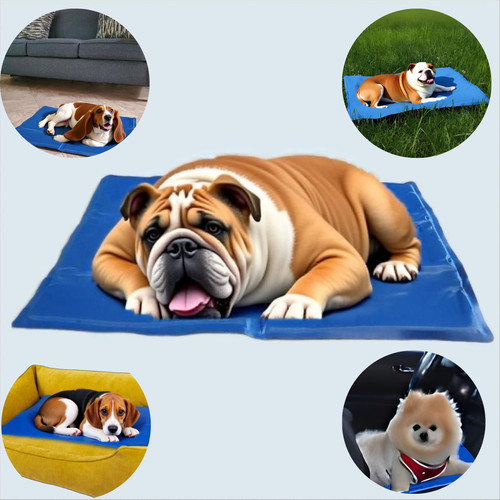
Senior dogs often need extra support. Gel mats with a minimum thickness of 1.2 inches can help cushion arthritic joints while providing relief from heat. For brachycephalic (short-nosed) breeds like Bulldogs or Pugs, prioritize mats with longer cooling durations (at least 3 hours) and large surface areas to encourage full-body contact, as these breeds overheat rapidly. For chewers and diggers, reinforced mats with a ballistic nylon cover and double-stitched seams extend lifespan and safety.
Where Cooling Mats Work Best—and Where They Fall Short
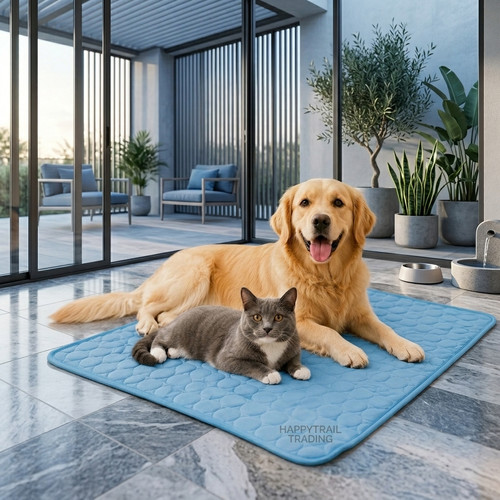
Cooling mats excel indoors on tile, wood, or shaded patio surfaces. Placing a mat in your dog’s favorite napping spot (or crate) can lower body temperature by up to 3-5°F, based on veterinary thermographic studies. Outdoors, expect diminished performance if the ground or ambient temperature exceeds 95°F—no passive mat can keep up in direct sun or on hot concrete. For travel, compact mats (under 2 lbs) fit in carriers or car seats, but check that the cooling duration covers your typical outing time.
Never use a cooling mat as a replacement for shade, water, or air conditioning in extreme heat. Mats are a supplement, not a substitute, for basic cooling measures—especially for elderly, flat-faced, or double-coated breeds prone to heatstroke.
Safety: What’s Inside Matters More Than You Think
Pressure-activated gel mats use proprietary cooling gels, some of which are non-toxic and others that can cause gastrointestinal upset if ingested. Check for explicit “non-toxic” labeling, and avoid mats with warning labels about ingestion risks—especially in multi-pet homes or with curious puppies. Water-filled mats are safer if punctured but can harbor mold if not emptied and dried between uses. Phase change mats are generally safe, but always inspect for leaks or damage after rough use.
For households with children or multiple pets, select mats with a minimum 0.5 mm cover thickness to resist tears, and routinely inspect seams for wear. Avoid mats with zippers or removable covers unless they’re reinforced, as these are common failure points. If your dog is a determined chewer, cooling mats may not be a safe unsupervised option at all—consider cooling vests or raised mesh beds instead.
Related Guides
Real-World Owner Mistakes: What to Avoid with Cooling Mats
One of the most common mistakes is choosing a mat that’s too small. Your dog should be able to lie fully stretched out—measure from nose to tail base and add at least 4 inches for wiggle room. Another error: expecting a mat to stay cold indefinitely. Most mats need at least 20-30 minutes of “rest” between sessions to recharge, especially on hot days.
Don’t use heavy blankets or beds on top of the mat—they trap heat and block the cooling effect. For crate use, ensure the mat is flat and covers the entire floor to prevent bunching and tripping. And finally, always introduce a new mat slowly. Some dogs are wary of new textures or cool sensations; encourage use with treats and praise, and never force your dog onto the mat.
When to Upgrade: Signs Your Cooling Mat Isn’t Working Anymore
Even the best cooling mats lose effectiveness over time. If you notice the mat no longer feels cool after a few minutes, the gel is unevenly distributed, or there are visible leaks or tears, it’s time for a replacement. For multi-dog households, expect to replace mats every 1-2 summers, especially with heavy daily use. If your dog refuses to use the mat, check for odors, warped surfaces, or slippery covers—these can all deter use.
Upgrading to a larger or more durable mat can make a big difference for growing dogs or if your climate becomes hotter. View available options for sizing up or switching cooling mechanisms as your needs change.
When you want a brand-new unit with the full warranty, Amazon’s catalogue is usually the deepest.
Compare Options on Amazon →FAQs: What Dog Owners Really Want to Know About Cooling Mats
How long do dog cooling mats actually stay cool?
Most pressure-activated gel mats provide 2-4 hours of cooling before needing a “rest” period to recharge. Water-filled mats generally stay cool for about 1-2 hours, depending on room temperature. Phase change mats can last up to 6 hours, but cost significantly more.
Are cooling mats safe for puppies?
Cooling mats are generally safe for puppies if they’re non-toxic and used under supervision. Avoid leaving a puppy unsupervised on a mat, as chewing or digging can lead to punctures and possible ingestion of gel or water. Always check the product’s safety certification before use.
Can a dog cooling mat help prevent heatstroke?
Cooling mats can lower your dog’s body temperature, but they’re not a substitute for shade, water, or air conditioning. For high-risk breeds or during extreme heat, use mats in combination with other cooling strategies and never rely solely on a mat to prevent heatstroke.
What size cooling mat does my dog need?
Measure your dog from nose to tail base while lying flat and add 4 inches for comfort. For most medium breeds, a mat at least 24×36 inches is ideal; large and giant breeds need 36×48 inches or more. Always check the manufacturer’s weight rating for long-term effectiveness.
How do you clean and maintain a dog cooling mat?
Most gel and phase change mats wipe clean with a damp cloth and mild soap. Water mats should be emptied, rinsed, and dried thoroughly to prevent mold. Avoid machine washing unless the cover is specifically labeled as removable and washable.
Do cooling mats work outdoors or in the car?
Cooling mats can provide relief outdoors or during car rides, but their effectiveness drops in direct sun or on hot surfaces. For travel, choose compact mats with a cooling duration that matches your trip length, and always check for overheating if left in parked vehicles.
Breed and Life Stage Notes: Which Dogs Benefit Most from Cooling Mats?
Brachycephalic breeds (French Bulldogs, Boxers, Pugs) and double-coated northern breeds (Huskies, Malamutes) are especially prone to overheating. Mats with high cooling capacity (at least 3 hours per session) and large surface areas are essential for these dogs. Senior dogs and those with arthritis benefit from mats at least 1.2 inches thick for joint support.
For puppies, opt for soft, non-toxic, water-based mats and monitor closely for chewing. Small breeds may prefer mats with textured surfaces for grip, while high-energy or anxious dogs may need reinforced covers to withstand scratching and nesting behaviors. Check current prices for breed-appropriate options and always factor in your dog’s individual habits and preferences.
Which Cooling Mat Profile Is Right for You?
The “best” cooling mat depends on your dog’s weight, chewing habits, life stage, and where you plan to use it. Heavy-duty gel mats suit large, active breeds and rough use, while water-filled mats work for gentle, supervised pups. Phase change mats are best for owners in hot climates who need long-duration cooling without recharging.
If you’re struggling with a panting, restless dog this summer, investing in a properly sized, durable cooling mat can make a real difference in comfort—and safety. Compare today’s deals and choose a mat that matches your dog’s needs, not just your budget. From breed quirks to mat mechanics, a little extra research now pays off in a cooler, happier dog all season long.