8 min read
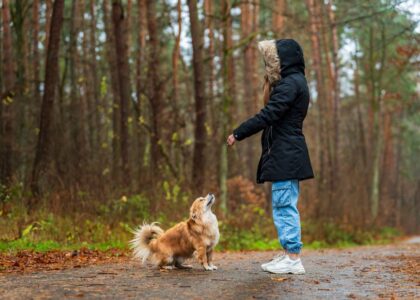
Your dog freezes, ears pricked, as you reach for the leash—before you’ve even said a word. Moments later, she’s wiggling at the door, ready for the walk you never announced. This isn’t a party trick; it’s a window into how dogs read our body language, often far more closely than we realise. This guide unpacks what science and decades of canine experience reveal about dogs’ ability to interpret human movements, posture, and signals—plus what it means for training, bonding, and avoiding misunderstandings.
How Dogs Really Decode Human Body Language
Researchers and experienced trainers agree: dogs don’t just notice our body language—they rely on it. In fact, studies show that dogs outperform even chimpanzees at following human gestures like pointing, gaze direction, and subtle posture shifts. Dogs pick up on everything from the tilt of your head to the way you lean forward or cross your arms. This sensitivity is rooted in millennia of domestication, where dogs who could anticipate human intentions had a survival advantage.
But not all cues are created equal. Dogs are especially attuned to:
- Hand and arm movements: Pointing, reaching, or even twitching a finger can signal intent.
- Facial expressions: Raised eyebrows or a smile may indicate play, while a furrowed brow can signal displeasure.
- Posture and orientation: Turning your body toward or away from a dog communicates attention or dismissal.
- Eye contact: Direct gaze can be friendly or threatening, depending on the context and the dog’s prior experiences.
Understanding which cues your dog notices most can help you communicate more clearly—and avoid accidental signals that confuse or stress your pet.
Comparison Table: Ways Dogs Interpret Human Body Language
| Interpretation Method | Best For | Typical Response Time | Accuracy (Based on Studies) | Training Difficulty |
|---|---|---|---|---|
| Direct Gestures (Pointing, Hand Signals) | Obedience, recall, trick training | Under 2 seconds | 85-95% with consistent training | Low |
| Facial Expressions | Bonding, emotional attunement | Varies (1-5 seconds) | 60-70% (breed-dependent) | Medium |
| Posture and Body Orientation | Resource guarding, approach/avoid cues | Almost immediate | 80-90% | Low |
| Eye Contact | Focus training, confidence building | 1-3 seconds | Varies (can trigger stress in some dogs) | High (requires nuance) |
| Voice Tone Combined with Gestures | Complex commands, emotional cues | 2-4 seconds | 90%+ | Medium |
Breed Differences: Why Some Dogs Seem to “Get” You Better Than Others
Not every dog interprets human body language with the same skill. Herding breeds (like Border Collies or Australian Shepherds) are often hyper-attuned to subtle body cues—sometimes responding to a flick of the wrist or a shift in weight. By contrast, independent breeds (such as many scent hounds or guardian types) may rely more on vocal commands or environmental context than on human gestures.
Short-nosed breeds, like Bulldogs or Pugs, may find it harder to read facial expressions due to their own limited expressiveness and vision constraints. Meanwhile, primitive breeds (think Basenjis or Shiba Inus) might prioritise canine body language over human cues. This doesn’t mean they can’t learn to read you—just that it might take more patience and consistency.
Puppies and senior dogs also differ. Puppies are sponges for social learning but can be overwhelmed by too many signals at once. Senior dogs may lose sensitivity to subtle gestures if vision or hearing declines. In both cases, clear, simple movements work best.
What Most Guides Miss About Canine Perception
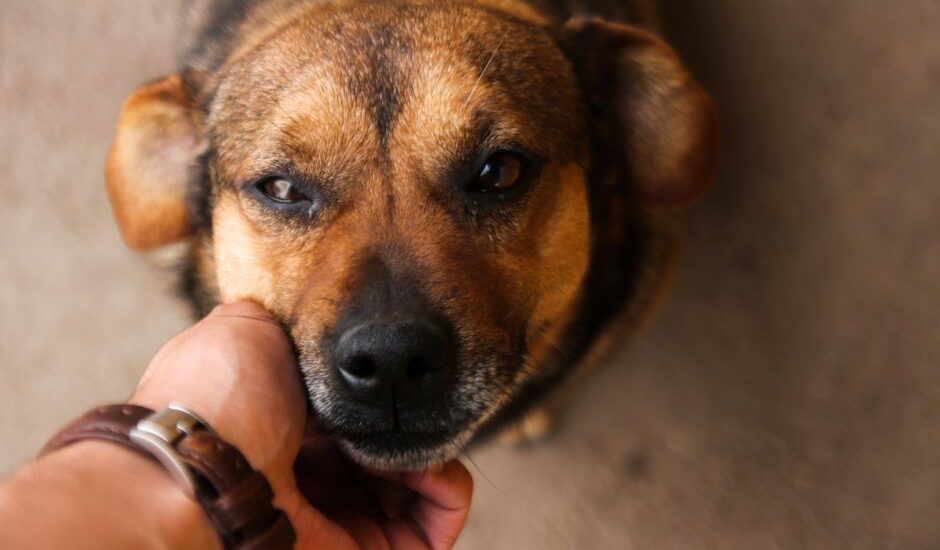
Many training guides focus on teaching dogs to respond to specific cues, but overlook how often we accidentally “talk” to dogs with our bodies. For example, leaning over a small dog can feel threatening, even if you mean to be affectionate. Standing stiffly or clenching your fists may communicate stress, which your dog mirrors with anxious behaviour.
Dogs also notice patterns: if you always grab your keys before leaving, your dog may start to pace or whine at the sound—even if you haven’t spoken. This isn’t mind-reading; it’s pattern recognition, honed by close observation. Being aware of these unconscious signals can prevent confusion and strengthen your communication.
Want to see how your dog responds to different cues? Try giving a known command (like “sit”) with only a gesture—no words. Many dogs will follow the gesture alone, showing just how much they’re watching your body language.
Life Stage and Body Language: Puppies vs. Adults vs. Seniors
How dogs read you changes as they grow. Puppies, especially between 8-16 weeks, are primed to learn human signals. They often respond best to exaggerated gestures—big, clear hand motions and obvious posture changes. Subtle cues may go unnoticed until they’ve matured.
Adult dogs, once trained, can pick up on much smaller cues. This is when you can shift to more nuanced body language—think a slight nod or a quiet finger point. Seniors may need a return to larger, slower gestures, especially if sight or hearing fades. For older dogs, pair hand signals with vocal cues and ensure your movements are within their visual field (about 120-140 degrees for most breeds).
Adapting your communication style to your dog’s age helps prevent frustration for both of you. It also makes training more effective and keeps your bond strong as your dog’s needs change.
Common mistakes to avoid
- Overloading with mixed signals: Giving a hand signal while saying a different word confuses dogs, leading to slower learning or anxiety.
- Ignoring breed or individual sensitivities: Some breeds or rescue dogs may be wary of direct eye contact or looming postures, which can inadvertently trigger fear responses.
- Assuming dogs “just know”: Expecting a dog to read subtle cues without training sets them up for failure and frustrates both parties.
- Inconsistency between family members: When each person uses different gestures for the same command, dogs struggle to generalise, resulting in unreliable responses.
- Not adjusting for age or ability: Using rapid or subtle movements with puppies or seniors (who may have slower processing, vision, or mobility) can make cues less effective or even invisible to them.
Practical Tips to Improve Your Nonverbal Communication
To help your dog succeed, use clear, consistent gestures—ideally ones that differ distinctly from one another. For example, make your “sit” hand signal distinct from “down” by using an open palm for one and a pointed finger for the other. Keep your posture relaxed and your movements smooth; jerky or tense motions may signal stress.
Train in a distraction-free environment at first, and consider your dog’s line of sight. For dogs under 30cm at the shoulder, crouch or kneel to deliver signals at their eye level. If you live with multiple people, agree on a set of cues and practice them together. This consistency helps your dog generalise commands and reduces confusion.
Ready to level up your training?for books, video courses, and training tools that focus on canine body language and communication.
Related Guides
- A No-Nonsense Guide to the Best Flea Collars for Dogs
- The Best Dental Chews for Dogs, Reviewed
- Our guide to What Type of Brush Is Best for Shedding Dogs?
- How to Apply Flea Treatment on Dogs: Step-by-Step Guide
- How to Give Oral Medication to Dogs: A Practical Guide
- What Are Dew Claws in Dogs and Why Do They Matter?
- Browse all Training & Behaviour →
How to Tell if Your Dog Is Reading You Correctly
Feedback is everything. When your dog responds quickly and confidently to a gesture or posture, you know your signal is clear. Hesitation, repeated “checking” for a treat, or looking to other humans for direction mean your cues may be too subtle or inconsistent.
Documenting your training sessions—video works well—can reveal where you’re accidentally mixing signals. Many trainers recommend using a single, unique gesture for each command, practiced over at least 20-30 repetitions, before expecting reliable responses. If your dog is struggling, simplify your movements and reward even partial compliance to build confidence.
Curious how your dog stacks up? Try a simple test: give a familiar command silently, using only your gesture. If your dog responds, you’re communicating nonverbally; if not, it’s time to revisit your hand signals or posture.
FAQ: People Also Ask About Dogs and Body Language
Can all dogs understand human body language equally well?
No—breed, age, upbringing, and individual temperament all affect a dog’s ability to read human cues. Herding and working breeds tend to excel, while some independent or primitive breeds may need more guidance and repetition.
How quickly can a dog learn to interpret new hand signals?
With daily, 5-minute training sessions, most dogs can reliably learn a new hand signal within 1-2 weeks. Consistency and clear, distinct gestures speed up the process.
Is body language or verbal command more effective for training?
Dogs are generally more responsive to body language—especially for basic commands—because visual cues are less ambiguous. However, combining both leads to the most reliable performance in real-world situations.
What if my dog ignores my gestures but responds to my voice?
This could mean your gestures aren’t distinct enough, or your dog has learned to prioritise vocal cues. Try simplifying your hand signals and rewarding visual responses to rebalance their attention.
How can I avoid confusing my dog with my body language?
Use only one gesture per command and make sure all family members do the same. Avoid giving conflicting signals (like pointing in one direction while looking in another), as dogs will often default to the most familiar or rewarding cue.
Are there situations where body language matters more than words?
Absolutely—during off-leash play, in noisy environments, or with deaf dogs, body language becomes the primary method of communication. Dogs also watch for human movements during stressful events (like vet visits), so calm, confident posture can help them stay relaxed.
Can puppies read body language as well as adult dogs?
Puppies are eager observers, but their attention span and processing speed are limited. They benefit from larger, slower gestures and lots of repetition. As they mature, they become more skilled at picking up subtle cues.
Body language vs. treats—what works better for motivating dogs?
Treats are powerful motivators for teaching new behaviours, but body language is key for everyday communication and reliability. Using both together is the most effective approach, especially for complex or high-distraction situations.
Further Reading and Authority Sources
For a deep dive into canine cognition and communication, see the research section at dognition.com, which partners with leading animal behaviourists. The Association of Professional Dog Trainers also offers science-backed resources on interpreting and using body language in training.
If you’re ready to invest in training aids or want to expand your toolkit,on recommended training gear that supports nonverbal communication. For budget-friendly options,on starter kits and guides tailored to your dog’s life stage and needs.
Bottom line: Dogs read your body language constantly—often better than we read theirs. By sharpening your own nonverbal communication and avoiding common pitfalls, you can turn this natural ability into your most powerful training and bonding tool. Start with clear, consistent gestures, adapt for your dog’s breed and age, and watch your partnership thrive.
Last updated: June 2026 · How we put guides together