
9 min read
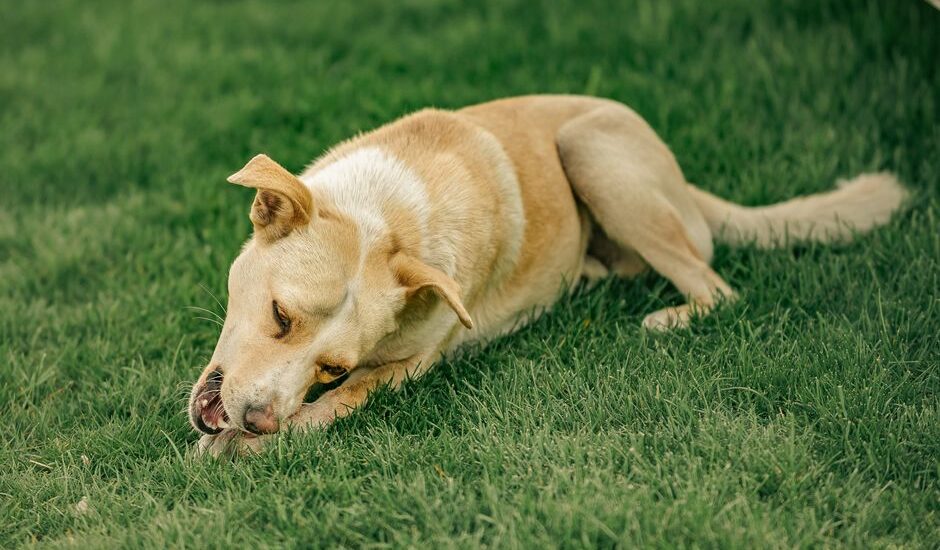
Most guides will tell you dogs eat grass because they’re missing something in their diet or need to make themselves vomit. But the truth is, neither of these explanations fits most real-life cases. Grass-eating in dogs is surprisingly common—studies show up to 80% of dogs do it at least occasionally—yet the reasons are more nuanced than most articles admit. Let’s dig into what actually drives this behaviour, when you should be concerned, and how to respond based on your dog’s age, breed, and health.
Spot the difference between normal grass eating and a red flag
Before you start worrying, it helps to know that for most dogs, nibbling on grass is a normal, harmless behaviour. The challenge is recognising when it’s just a quirky habit versus a symptom of a bigger issue. Here’s what you need to watch for:
- Frequency: Occasional grazing (once a week or less) is considered normal. Repeated, obsessive eating (multiple times a day) could signal a problem.
- Vomiting: Most dogs who eat grass don’t vomit afterward. If your dog regularly eats grass and then throws up, it’s worth monitoring closely.
- Other symptoms: Loss of appetite, lethargy, diarrhoea, or sudden behavioural changes alongside grass eating mean you should consult your vet.
In short, grass eating alone—especially if your dog is otherwise healthy—is rarely an emergency. But frequent, compulsive grass consumption or grass eating combined with other symptoms deserves a closer look.
Compare the top theories on why dogs eat grass
| Theory Type | Main Reason | Supported by Research? | Common in Specific Breeds? | Age Relevance |
|---|---|---|---|---|
| Dietary Deficiency | Lacking fibre or nutrients | Weak evidence | Not breed-specific | All ages |
| Instinctual Behaviour | Inherited from wild ancestors | Moderate evidence | More common in hounds, retrievers | All ages |
| Boredom/Anxiety | Self-soothing or entertainment | Moderate evidence | High-energy and working breeds | Young adults, adolescents |
| Gastrointestinal Relief | Ease mild stomach discomfort | Limited evidence | Not breed-specific | Mostly adults |
| Normal Exploration | Curiosity, taste, texture | Strong evidence (puppies) | All breeds, especially puppies | Puppy/juvenile |
Choose the right response for your dog’s grass-eating habit
Once you’ve figured out your dog’s grass-eating pattern, the next step is deciding what—if anything—you need to do. Most of the time, no action is needed unless the behaviour is excessive or accompanied by other symptoms. Here’s how to tailor your response:
- Puppies: Young dogs are especially prone to chewing and tasting everything, including grass. This is usually a normal part of learning about their environment. Supervise outdoor time and redirect to safe chew toys as needed.
- Adolescents & Adults: If your dog suddenly starts eating grass more often, look for changes in their routine, diet, or stress levels. Increased exercise or mental enrichment can help if boredom is the culprit.
- Seniors: Grass eating in older dogs can sometimes signal discomfort or underlying health issues. Keep an eye out for signs like weight loss, vomiting, or reluctance to eat. If you notice these, consult your vet.
Regardless of age, always consider where your dog is eating grass. Lawns treated with pesticides or herbicides can be toxic. Stick to untreated areas or leash walks if you’re unsure about lawn chemical use in your neighbourhood.
Understand breed and personality factors that drive grass eating
Breed does play a role in grass-eating tendencies, though it’s not the whole story. Hounds, retrievers, and some terriers are more likely to graze, possibly due to their ancestral roles as hunters and scavengers. High-energy working breeds may eat grass when bored or under-stimulated. On the flip side, brachycephalic (flat-faced) breeds like bulldogs tend to show less interest, likely due to the effort required to nibble grass blades.
Personality matters, too. Curious, mouthy dogs—think Labradors and beagles—often sample grass as part of their general love for putting things in their mouths. Timid or anxious dogs sometimes eat grass as a self-soothing behaviour, especially during stressful periods. If you notice a sudden uptick in grass eating after a big change (like a move or new family member), consider it a possible coping strategy rather than a dietary issue.
For multi-dog households, keep in mind that grass eating can be contagious. If one dog starts, others may join in out of social mimicry. Supervise group play to keep the behaviour from becoming a habit.
Beginner’s pre-purchase checklist
- Check your yard for recent pesticide or herbicide application—avoid letting your dog graze in treated areas for at least 72 hours after use.
- Review your dog’s diet and fibre intake—compare ingredients and guaranteed analysis for fibre content (aim for 2-5% crude fibre for most adult dogs).
- Supervise your puppy’s outdoor time, especially if under 6 months, to prevent swallowing large amounts of grass or other plants.
- Measure your dog’s interest level: keep a log for one week of how often and how much grass they eat (number of episodes per day).
- Confirm your dog’s deworming is up to date—grazing increases exposure risk to intestinal parasites.
- Identify safe, untreated grass areas for off-leash play—ask neighbours or park staff about chemical use if you’re unsure.
- Rule out underlying illness if your dog’s grass eating is sudden and accompanied by vomiting, diarrhoea, or lethargy—schedule a vet visit if in doubt.
See what science really says about grass eating in dogs
Despite dozens of theories, there’s no single proven reason why dogs eat grass. Survey-based studies suggest that most dogs who graze are healthy and show no signs of illness before or after. Only about 10% of dogs vomit regularly after eating grass, and fewer than 1 in 4 owners report any digestive upset from the behaviour (see peer-reviewed studies here).
The theory that dogs eat grass because they’re missing nutrients is not widely supported. Most commercial dog foods—when fed as directed—meet or exceed nutritional requirements set by recognised authorities. However, dogs on home-cooked or raw diets with imbalanced fibre may be more likely to graze. If your dog is on such a diet, consult a veterinary nutritionist for a proper analysis.
Another popular theory is that dogs eat grass to induce vomiting or relieve mild stomach upset. But in most cases, vomiting follows grass eating only rarely. Grass may stimulate the throat and stomach lining, but the connection is inconsistent at best. More likely, most dogs simply enjoy the taste, texture, or act of grazing itself.
Related Guides
- A No-Nonsense Guide to the Best Flea Collars for Dogs
- Best Dewormers for Dogs 2026: Tried, Tested and Reviewed
- Our guide to ID Tags for Dogs 2026: Our Top Picks
- Our guide to Joint Care Supplements for Dogs 2026: Our Top Picks
- Our guide to Dental Chews for Dogs, Reviewed
- What Type of Brush Is Best for Shedding Dogs?
- Browse all Health & Wellness →
Reduce risks: keep grass eating safe for your dog
While the act itself is usually harmless, grass eating can expose dogs to risks you may not have considered. The most common hazards are:
- Pesticides and herbicides: Chemical residues can linger for days and are toxic if ingested. Always avoid recently treated lawns.
- Intestinal parasites: Grass, especially in public areas, can harbour eggs from roundworms, hookworms, and other parasites. Maintain regular deworming (every 3-6 months, depending on risk).
- Foreign bodies: Long or tough grass blades can sometimes cause choking or minor digestive blockages, especially in small breeds or puppies. Monitor grazing and discourage swallowing large wads.
- Ornamental plants: Many common garden plants are toxic to dogs. Don’t let your dog roam in unfamiliar gardens or flowerbeds.
For dogs who are persistent grazers, consider offering safe alternatives—high-fibre treats, dog-safe vegetables like green beans, or puzzle feeders—to redirect the urge.
FAQ: Real-world answers about dogs eating grass
Is it normal for dogs to eat grass every day?
Daily grass eating is common in some dogs, especially those with outdoor access and a strong grazing instinct. As long as your dog is healthy, shows no signs of illness, and isn’t vomiting regularly, this behaviour is generally not a concern. If you notice a sudden increase, track frequency and consult your vet if it persists.
How much grass is too much for my dog?
If your dog eats large quantities—enough to cause vomiting, choking, or changes in stool consistency—it’s time to intervene. As a guideline, more than two or three episodes per day, or swallowing fist-sized clumps, may be excessive. Monitor closely and limit access if needed.
Does eating grass help dogs with upset stomachs?
Some owners believe grass eating helps dogs self-medicate for mild stomach discomfort. However, scientific evidence is weak. Most dogs who eat grass do not vomit, and most do not show signs of illness before grazing. Grass eating is more likely a normal behaviour than a targeted remedy.
Grass eating vs. pica—how can I tell the difference?
Pica is the compulsive eating of non-food items, which can include grass but often extends to rocks, plastic, or fabric. Occasional grass grazing is normal, but if your dog obsessively eats a wide range of inedible objects, or ingests dangerous items, consult a vet or behaviourist.
What should I do if my dog ate grass treated with chemicals?
If you suspect your dog has eaten grass recently treated with pesticides or herbicides, monitor for vomiting, excessive drooling, tremors, or lethargy. Contact your vet immediately if symptoms appear. Always prevent access to treated lawns for at least 72 hours after application.
Will switching dog foods stop my dog from eating grass?
Switching foods rarely eliminates grass eating unless a genuine dietary deficiency was present (which is uncommon with commercial diets). If you do switch, look for a fibre content of 2-5% for most adult dogs, and monitor for changes over two to four weeks.
Is grass eating more dangerous for puppies than adults?
Puppies are at higher risk because they’re more likely to explore with their mouths and swallow large amounts. Their smaller size makes them more vulnerable to gastrointestinal upset or choking. Supervise closely, and redirect to appropriate chew toys when possible.
Here’s my take: Most grass eating is harmless—until it isn’t
After years of watching dogs of every breed, age, and personality graze on grass, my advice is simple: don’t panic at the first nibble. Most dogs eat grass out of curiosity, instinct, or habit, and it rarely signals a serious issue. But if the behaviour becomes excessive, is paired with other symptoms, or exposes your dog to real risks (like chemicals or parasites), it’s time to step in. Keep a close eye, make safe choices about where your dog roams, and use grass eating as one more clue to your dog’s overall well-being—not a crisis in itself.
Last updated: June 2026 · How we put guides together