9 min read
Why do some dogs seem driven to eat rocks, socks, or even drywall — and is there any real hope of stopping it for good? Pica in dogs is one of the most frustrating and misunderstood behaviour problems owners face. The short answer: pica can often be managed and, in some cases, effectively resolved, but a true “cure” depends on the underlying cause and the dog’s unique situation. Owners need to know that success hinges on a tailored approach — not a one-size-fits-all solution, and that some dogs may require lifelong management rather than a permanent fix.
Why “Cure” Isn’t Always the Right Word for Pica
Pica describes a dog’s persistent urge to eat non-food items — everything from fabric to gravel. The drive can be medical, behavioural, or a mix of both. Owners often ask if it can be cured, but the reality is more nuanced. For some dogs, especially those with a clear medical trigger (like a vitamin deficiency), pica may resolve completely once the cause is addressed. For others, particularly where anxiety or compulsive behaviour is at play, management is ongoing and relapse is possible.
Veterinary behaviourists and internal medicine specialists agree: there’s no single pill or protocol that “cures” pica for every dog. The solution is often a blend of medical workup, environmental adjustment, and behaviour modification — and the right mix varies by breed, age, and individual temperament.
What Most Guides Miss About Pica: The Underlying Causes Are Everything
Most quick-fix articles gloss over the critical first step: pinpointing why your dog is eating non-food items. Here’s what sets a real solution apart from generic advice:
- Medical drivers: Dogs with gastrointestinal disease, parasites, malabsorption, or even anaemia may develop pica. Puppies and seniors are especially vulnerable to medical triggers.
- Behavioural roots: Boredom, anxiety, attention-seeking, or compulsive disorders can all drive pica. Working breeds and high-strung individuals are at higher risk for behaviour-driven cases.
- Nutritional gaps: Less common with today’s balanced diets, but still possible in dogs on poorly formulated home-cooked or raw diets.
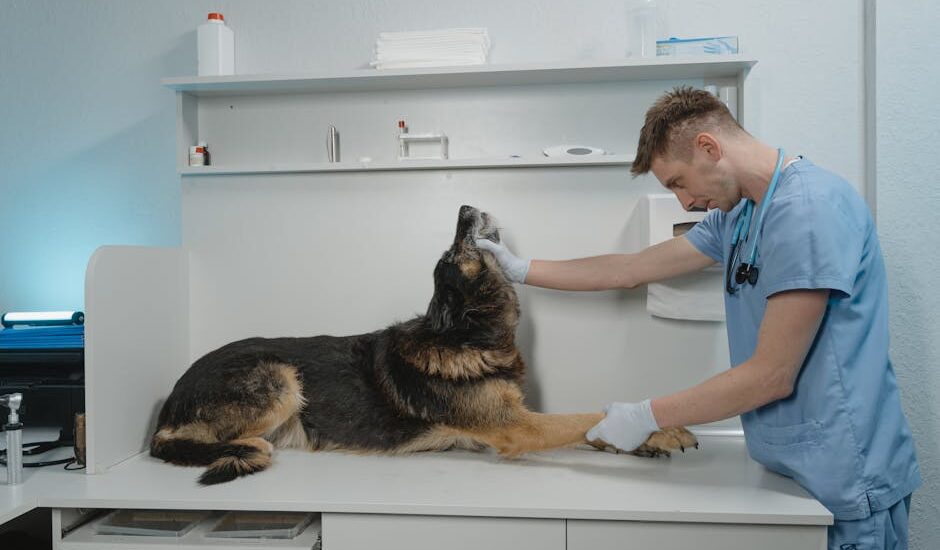
Skipping the root-cause analysis leads to wasted effort and ongoing risk. Always start with a thorough vet exam and, if needed, bloodwork or imaging. Only then can you target a plan that has a real chance of lasting success.
Medical vs Behavioural Approaches: What Actually Works?
Treatment for pica falls into two main camps: medical intervention and behavioural/environmental management. Here’s how they stack up — and when each is most effective.
| Approach Type | Best For | Typical Time to Improvement | Ongoing Management Needed? | Owner Effort Level |
|---|---|---|---|---|
| Medical correction | Dogs with metabolic, GI, or nutritional causes | 2-6 weeks (after diagnosis and treatment begins) | Sometimes (if chronic illness persists) | Moderate (vet visits, meds, diet changes) |
| Behaviour modification | Anxious, bored, or compulsive-prone dogs | 4-12 weeks (with consistent training) | Usually (lifelong reinforcement) | High (daily sessions, supervision) |
| Environmental management | All cases as adjunct; vital for puppies | Immediate (risk reduction) | Yes (ongoing supervision) | Moderate (house-proofing, crate use) |
| Dietary adjustment | Dogs on home-cooked or unbalanced diets | 2-4 weeks (after diet change) | Rarely (if diet remains balanced) | Low (switching foods, supplements) |
| Medication (behavioural) | Severe compulsive cases, as last resort | 4-8 weeks (may vary by medication) | Yes (often lifelong) | Low-moderate (med administration, vet follow-up) |
Quick decision tree
- If your dog’s eating behaviour started suddenly and is severe: Prioritise a full veterinary workup for medical causes before trying behaviour fixes.
- If you have a young puppy or a high-energy breed: Start with environmental management (puppy-proofing, crate training) as these dogs are most at risk for accidental ingestion.
- If pica is linked to anxiety, stress, or boredom: Behaviour modification and increased enrichment are key — daily training and puzzle toys can help.
- If your dog is on a home-cooked or raw diet: Consult a veterinary nutritionist to rule out deficiencies as the trigger.
- If nothing else works and the behaviour is dangerous: Medication may be warranted, but only after exhausting other options and with veterinary oversight.
Risks Owners Underestimate: Why Pica Isn’t Just Annoying
Pica isn’t just a quirky habit — it’s dangerous. Dogs can suffer intestinal blockages (requiring surgery), perforations, or poisoning if they ingest the wrong items. Puppies are especially vulnerable: their smaller intestines can be blocked by objects as small as a sock or a few pebbles. Senior dogs with cognitive decline may eat non-food items out of confusion, compounding risks further.
Breed matters, too. Labradors, Beagles, and working breeds are notorious for oral fixations, while toy breeds may be at higher risk from even small ingestions. No matter the breed, if your dog is eating non-food items more than once or twice, treat it as a red flag and act quickly. Waiting “to see if they outgrow it” is a common — and sometimes costly — mistake.
For a deeper dive on the medical ramifications of pica, the VCA Hospitals site offers a solid overview of complications and case studies.
What Actually Changes the Outcome: Owner Actions That Matter
Not all interventions are created equal. Here’s what experienced trainers and veterinary behaviourists agree actually moves the needle:
- Supervision and management: For puppies and new rescues, crate training and x-pen use are non-negotiable. The risk of a costly (or fatal) obstruction drops dramatically when the dog is prevented from accessing trouble spots.
- Enrichment: Dogs left alone with nothing to do are prime candidates for pica. Daily food puzzles, chew-safe toys (sized appropriately for your dog’s jaw strength), and scheduled play sessions are proven deterrents.
- Training “leave it” and “drop it”: These cues aren’t just nice to have — they’re potentially life-saving. Training should use high-value treats and start with easy targets before progressing to real-world distractions.
- Routine vet checks: Especially for adult and senior dogs, annual exams and bloodwork help catch metabolic or digestive issues early.
- Diet auditing: If you’re using a home-cooked or boutique diet, get a nutritionist’s input to ensure all micronutrients are covered. Deficiencies in iron, zinc, or B vitamins can drive pica in rare cases.
Ready to invest in safe enrichment toys or training tools?
Breed and Life Stage: What Changes for Puppies, Adults, and Seniors
Pica’s risks and solutions shift as your dog ages — and some breeds need extra vigilance:
- Puppies (under 12 months): Chewing and mouthing are normal, but eating inedible items is not. Supervise closely, use puppy-safe chews (avoid anything smaller than 3” for medium breeds, 2” for toy breeds), and crate when unsupervised. Most puppies outgrow mild mouthing, but true pica may persist without intervention.
- Adults: Persistent pica in adults is more likely to be rooted in anxiety, compulsive behaviour, or medical issues. Working breeds (Labs, Shepherds, some Spaniels) may need double the daily enrichment of a typical pet dog — aim for at least 60 minutes of structured activity per day.
- Seniors (7+ years): Cognitive decline can trigger new-onset pica. If your older dog starts eating non-food items, ask your vet about screening for canine cognitive dysfunction. Use larger, softer chews (avoid hard nylon or antlers) and increase supervision.
Breed-specific guidance matters. For example, Beagles and Labs are notorious for “eat first, regret later” behaviour, while terriers and herding breeds may develop obsessive patterns if under-stimulated. Tailor your management and enrichment to your dog’s breed instincts — not just their age.
Looking for breed-appropriate chew options or enrichment tools?
Related Guides
- Can Pica in Dogs Be Cured? What Owners Need to Know
- Can Anxiety in Dogs Cause Diarrhea? What Owners Should Know
- Is Diarrhea a Sign of Dehydration in Dogs? What Owners Should Know
- Our guide to Can Dogs Overdose on Vitamins? What Every Pet Owner Should Know
- Our guide to Dewormers for Dogs 2026: Tried, Tested and Reviewed
- A No-Nonsense Guide to the Best Flea Collars for Dogs
Common Owner Mistakes That Sabotage Progress
Even well-meaning owners can accidentally reinforce pica or miss warning signs. Here are some of the most common pitfalls:
- Assuming “they’ll grow out of it”: While mouthing fades, true pica seldom disappears without intervention.
- Punishing after the fact: Scolding your dog after they’ve swallowed something doesn’t teach them to avoid it — it can actually increase anxiety-driven pica.
- Leaving tempting items within reach: Socks, children’s toys, rocks, and mulch are classic triggers. House-proofing is a daily, not one-time, task.
- Underestimating medical causes: Skipping the vet and jumping straight to training can delay diagnosis of serious health issues.
If you need tools to help with supervision or house-proofing,
FAQ: Real Questions About Curing Pica in Dogs
How long does it usually take to resolve pica in dogs?
Most cases show improvement within 4 to 12 weeks if the underlying cause is correctly identified and addressed. Medical causes may resolve faster after treatment (2-6 weeks), while behavioural cases require longer-term management and training.
Is pica more dangerous in certain breeds?
Yes, breeds like Labradors, Beagles, and many working or sporting dogs are at higher risk due to their oral fixations and high curiosity levels. Toy breeds face greater danger from small object ingestion, which can more easily cause blockages.
Behaviour modification vs environmental management — which is more effective?
Behaviour modification is essential for long-term change, especially in anxiety or compulsive cases, but environmental management (like crate use and house-proofing) is critical for immediate safety. The most effective approach uses both in tandem, tailored to your dog’s triggers.
What should I do if my dog eats something dangerous more than once?
Seek veterinary evaluation immediately, even if your dog seems fine. Repeat ingestion of dangerous items signals an urgent need for diagnosis and more intensive management to prevent a possible life-threatening emergency.
Can medication “cure” pica in dogs?
Medication is sometimes used for severe compulsive cases, especially when behaviour modification and management alone aren’t enough. It’s rarely a cure on its own and always requires veterinary oversight and ongoing monitoring for side effects or relapse.
Do dogs with pica need special diets or supplements?
Only if a nutritional deficiency is identified by a vet or veterinary nutritionist. Most dogs on balanced commercial diets do not need supplements, but those on home-cooked or raw diets may require recipe adjustments to cover all nutrients. Never add supplements without professional guidance.
Not All Pica Is Created Equal — And Not All Can Be “Cured”
Here’s the truth: some dogs with pica can be fully rehabilitated, especially when the cause is medical or nutritional. Others, particularly those with compulsive or anxiety-driven pica, will always need some degree of management. The most important step is getting a correct diagnosis and building a plan that fits your dog’s breed, age, and triggers. If you’re ready to take action, invest in both safe management tools and behaviour training — and don’t skip the vet visit. With patience and the right approach, most dogs can live safely and happily, even if “cure” isn’t always realistic.
Last updated: June 2026 · How we put guides together