8 min read
Disclosure: As an Amazon Associate and eBay Partner Network publisher, we earn from qualifying purchases. This doesn’t affect what we recommend or how we describe it.
Wet footprints across the kitchen, a whiff of ammonia in the air, and a laundry basket full of rumpled pads — washing reusable pee pads isn’t just about tossing them in the machine. The right process keeps them absorbent, odour-free, and hygienic for your dog (and your floors), but the wrong approach can leave you with leaks, lingering smells, or even a ruined washing machine. This guide breaks down exactly how to wash reusable pee pads for dogs, with breed, age, and product-type specifics you won’t find on the label.
Reusable pee pads: materials, layers, and what that means for washing
Reusable pads are not all built the same, and your washing method should match their construction. Most standard pads feature a soft top layer (polyester, bamboo, or microfiber), an absorbent core (sometimes two or three layers of polyester or rayon), and a waterproof or water-resistant backing (usually polyurethane or vinyl). Some pads are quilted for extra absorption, while others are thin for quick drying.
Why does this matter? Pads with thicker cores hold more liquid (often up to 8 cups for XL sizes), but take longer to dry and are more likely to trap odours if not washed thoroughly. Cheaper pads may use a glued or heat-sealed waterproof layer that can break down with hot washes or harsh detergents. Knowing your pad’s build lets you avoid accidental damage and get the best lifespan.
Comparison table: Which reusable pee pad type fits your needs?
| Pad Type | Absorbency (max liquid) | Drying Time (air dry) | Odour Control | Machine Wash Cycles (rated) |
|---|---|---|---|---|
| Quilted multi-layer | Up to 8 cups | 18–24 hrs | High (multi-core traps odour less) | 250+ |
| Single-layer microfiber | 2–3 cups | 6–8 hrs | Moderate (can retain odour) | 100–150 |
| Anti-slip backing | 4–6 cups | 10–16 hrs | Moderate-High | 200+ |
| Travel/lightweight | 1–2 cups | 3–5 hrs | Low (thin, odours linger) | 50–100 |
| Heavy-duty waterproof | 10+ cups | 24–36 hrs | High (thicker, less smell transfer) | 300+ |
How to wash reusable pee pads: step-by-step process
- Shake off solids and debris. Remove hair, dirt, or any solid waste with a glove or scraper before washing. This prevents clogging your washer and improves cleaning.
- Pre-rinse with cold water. Rinse the pad in a utility sink or bathtub using cold water to flush out urine and reduce staining. Avoid hot water at this stage, as it can set odours.
- Choose a pet-safe detergent. Use a mild, fragrance-free detergent — never bleach or fabric softener, which can damage waterproof backings and leave residues that irritate paws.
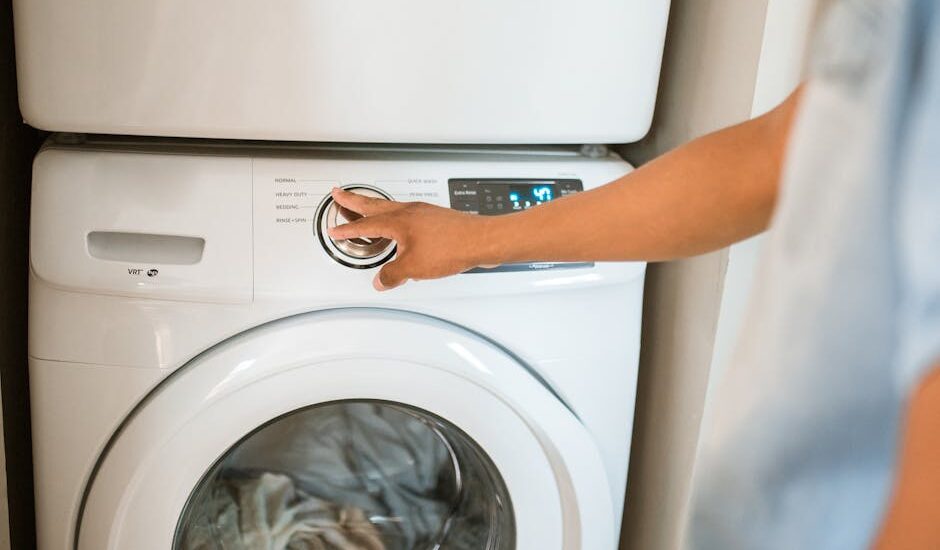
- Machine wash on warm (not hot). Select a warm water cycle (around 30–40°C/86–104°F). Hotter water can break down some waterproof membranes and adhesives.
- Double rinse for residue removal. Run an extra rinse cycle to remove all detergent, which helps prevent skin irritation and keeps the pad absorbent.
- Air dry flat or tumble dry low. Air drying preserves waterproof layers, but if you must use a dryer, choose a low-heat setting. High heat can warp or melt backings.
Following these steps will extend the life and performance of your pads. For a deeper dive into pet-safe laundry products and techniques, see resources from Good Housekeeping, which regularly tests cleaning products for safety and efficacy.
Breed size and age: impacts on washing frequency and pad choice
Washing routines should match your dog’s size and life stage. A 12-week-old Chihuahua will produce less urine than a senior Golden Retriever, and pads for large breeds often require more frequent washing or higher absorbency.
- Toy and small breeds: Can use thinner, faster-drying pads; wash every 2–3 days unless soiled.
- Medium breeds: Opt for multi-layer or anti-slip pads; daily washing is ideal, especially for puppies still learning aim.
- Large/giant breeds: Heavy-duty, high-absorbency pads are a must; wash after every use or at least once per day to prevent odour buildup and leaks.
- Puppies: Frequent accidents mean more loads — consider a minimum of 3–4 pads in rotation so you always have a clean one ready.
- Senior or incontinent dogs: Odour control and hygiene are critical; use pads rated for 8+ cups and wash after each use to avoid skin irritation.
Pad size also matters: for breeds over 60 lbs, look for XL pads (at least 36″x36″) for full coverage and fewer leaks. See what’s available in heavy-duty or extra-large options if you’re struggling with frequent messes or slow drying times.
Odour control and sanitising: what works (and what to skip)
Urine odour is the biggest complaint with reusable pads, especially if you’re washing less than daily. To keep pads fresh:
- Use an enzyme cleaner pre-soak once a week to break down uric acid and organic residues. Enzyme soaks (following label instructions, typically 15–30 minutes) outperform vinegar for true odour removal.
- Avoid bleach and fabric softener, which degrade waterproofing and leave residues that attract more odour.
- Air dry in sunlight when possible — UV light naturally helps disinfect and neutralise smells.
- Store soiled pads in a dry, ventilated bin (not a sealed bucket) until wash day to prevent mildew.
For persistent odours, a baking soda sprinkle before the wash cycle can help, but don’t use it every time — overuse may affect absorbency. For more on safe pet cleaning, check out Humane Society guidance on non-toxic cleaning for pet homes.
Related Guides
- How to Wash Reusable Pee Pads: A Step-by-Step Guide
- How to Make Homemade Dog Treat Balls: A Simple Recipe Guide
- Dog Food Storage Containers That Actually Keep Kibble Fresh
- Dog Calming Sprays That Actually Work: Our Top Recommendations
- Do Dogs Dream While Sleeping? What Science Tells Us
- Our guide to How to Create a Dog-Friendly Yard: Tips for a Safe and Happy Outdoor Space
Common mistakes to avoid
- Using hot water or high dryer heat: This can melt or delaminate waterproof layers, causing leaks after just a few washes.
- Skipping the pre-rinse: Loading urine-soaked pads straight into the washer sets odours and stains, making them harder to remove later.
- Using bleach or harsh chemicals: These can irritate your dog’s skin and break down pad fibres, reducing absorbency and lifespan.
- Letting soiled pads sit in sealed bins: This traps moisture, leading to mildew and stubborn odours that are nearly impossible to wash out.
- Overloading the washer: Stuffing too many pads in one load prevents thorough cleaning and rinsing, so always follow the pad maker’s max load advice (typically 2–3 XL pads per wash).
Frequently asked questions about washing reusable pee pads
How often should I wash reusable pee pads?
For most dogs, daily washing is best to prevent odour and bacteria buildup. Small breeds or light users may get away with every 2–3 days, but for puppies, seniors, or large breeds, wash after every use to maintain hygiene.
What temperature is safe for washing pee pads?
Wash at warm temperatures — ideally 30–40°C (86–104°F) — to clean thoroughly while protecting waterproof layers. Hot water above 60°C (140°F) can break down backings and shorten pad lifespan.
Reusable pee pads vs disposable pads — which is easier to keep clean?
Disposable pads eliminate washing but create more waste and ongoing expense. Reusable pads require laundry but control odour better when cleaned properly and offer long-term cost savings. For heavy use, reusable pads are more eco-friendly and can be just as hygienic with a good wash routine.
Can I use regular laundry detergent on pee pads?
Use a mild, pet-safe, fragrance-free detergent. Regular detergents with heavy perfumes, bleach, or softeners can irritate your dog’s skin and damage pad materials. Look for formulas specifically labelled as gentle or hypoallergenic for best results.
How many washes will a reusable pee pad last?
Quality pads typically last 100–300 wash cycles, depending on construction and care. Thinner travel pads may only last 50–100 washes, while multi-layer or heavy-duty pads can exceed 250 washes if not exposed to high heat or harsh chemicals.
What should I do if my pad still smells after washing?
Try a cold water pre-rinse, followed by a warm wash with an enzyme cleaner or baking soda. Persistent odours often mean residues are trapped in the core — consider a deep soak or, if the pad is near end-of-life, replacing it with a higher-absorbency option.
When to retire a reusable pee pad
No pad lasts forever. If you notice leaks despite correct washing, persistent odours that don’t resolve with deep cleaning, or visible damage to the waterproof backing (peeling, cracking, warping), it’s time to replace. For heavy users, expect to rotate in new pads every 6–12 months.
Looking to upgrade your pad setup or find options tailored for your dog’s needs? Compare today’s deals on heavy-duty, multi-layer, or quick-dry pads before your next laundry day.
Bottom line: Clean pads, healthy dog, stress-free home
Washing reusable pee pads isn’t just about laundry — it’s about protecting your floors, your dog’s skin, and your peace of mind. The right technique (pre-rinse, gentle detergent, air dry) keeps pads working and your home odour-free. Invest in the right pad type for your dog’s size and needs, keep a rotation on hand, and don’t cut corners on cleaning — your nose (and your dog) will thank you. View available options to make your routine even easier.


Last updated: July 2026 · How we put guides together