9 min read
Disclosure: As an Amazon Associate and eBay Partner Network publisher, we earn from qualifying purchases. This doesn’t affect what we recommend or how we describe it.
Is your dog’s seat belt really going to protect them—or is it just a leash with a seatbelt clip? Most seat belts for dogs look similar, but their ability to keep your dog safe in a real accident varies wildly. The difference isn’t just about price. It’s about crash-tested hardware, fit for your dog’s breed and size, and whether the restraint will actually stay in place when you need it most. Let’s dig into what matters, what’s marketing, and how to confidently choose a dog seat belt that’s actually worth using.
Crash Safety Ratings: What’s Real and What’s Not
Few dog seat belts are truly crash tested to independent standards. While many claim “crash tested” or “safety rated,” only a handful of harnesses and tethers have been evaluated using protocols like the Center for Pet Safety’s guidelines. For a belt to genuinely protect your dog in a collision, look for:
- Crash test certification: Verified by a third party, not just a manufacturer’s internal test.
- Appropriate weight rating: The seat belt should specify a tested weight range (e.g., “crash tested up to 75 lbs”).
- Harness + tether system: The safest setups use a full-body harness, not just a collar or basic clip.
Seat belts that lack these details may still restrain your dog, but they aren’t proven to prevent injury in a real accident. For more on crashworthiness standards, check out the Center for Pet Safety.
Dog Size, Breed, and Seat Belt Fit
Not all seat belts fit all dogs. A Labrador’s deep chest, a Dachshund’s long back, and a French Bulldog’s compact body each require different harness shapes and tether lengths. Here’s what to look for by type:
- Toy breeds (under 15 lbs): Opt for seat belt harnesses with extra-small sizes and narrow straps (widths under 0.75″). Oversized hardware can cause chafing or slip off tiny frames.
- Large breeds (over 70 lbs): Prioritize harnesses with wide, padded chest plates (widths 1.5″ or more) and tethers rated for at least 75 lbs. Avoid “one size fits all” claims—big dogs generate much higher crash forces.
- Deep-chested dogs (Greyhounds, Dobermans): Seek adjustable harnesses with extended chest panels and longer straps (at least 18″ from clip to harness) to prevent chafing and allow a comfortable sit.
- Brachycephalic breeds (Pugs, Bulldogs): Look for harnesses that distribute force across the chest, not the neck, to avoid airway compression in a sudden stop.
For dogs with unusual builds, measure both girth (behind the front legs) and chest length, then compare to the manufacturer’s sizing chart—don’t guess by weight alone.
Comparison Table: Dog Seat Belt Configurations and Key Specs
| Configuration | Best For | Crash-Tested? | Adjustable Length (in) | Harness Included | Price |
|---|---|---|---|---|---|
| Full harness + tether | Medium/large, escape-prone dogs | Yes (up to 75 lbs) | 16–28 | Yes | $$$ |
| Clip-in seatbelt strap only | Small dogs, occasional use | No | 12–26 | No | $ |
| Zipline-style restraint | Multiple dogs, frequent stops | No | 24–48 | No | $$ |
| Heavy-duty harness + carabiner | Large/powerful pullers | Yes (up to 90 lbs) | 18–30 | Yes | $$$ |
| Booster seat with integrated belt | Toy breeds, puppies | No | 10–18 | Yes (XS/S only) | $$ |
$ / $$ / $$$ indicates budget / mid-range / premium relative to the picks above. Check live listings further down for current prices.
When a Basic Clip Isn’t Enough
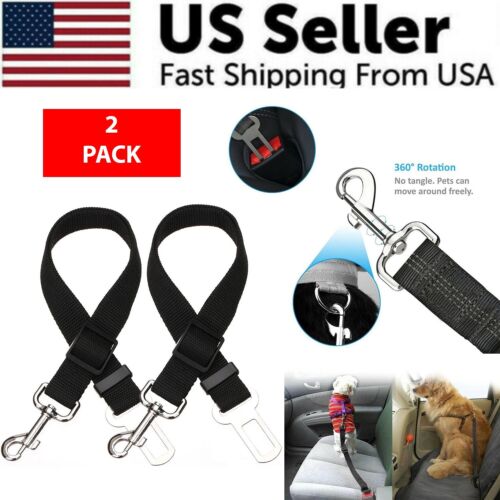
Many seat belt straps simply clip to your dog’s collar or harness and snap into the car’s seat belt buckle. This is better than nothing, but it won’t prevent injury in a real crash—especially for medium and large breeds. Collars can cause severe neck trauma in a collision, and generic harnesses may tear or slip off under force. For dogs over 30 lbs, always choose a setup that includes a crash-tested harness and a tether rated for their weight.
See what’s available if you want to compare full harness + tether kits with basic strap options.Common Owner Mistakes With Dog Seat Belts
- Wrong harness size: A harness that’s too loose can let your dog slip out, while one that’s too tight can cause chafing or even restrict breathing. Always check the manufacturer’s girth and chest measurements—never buy by weight alone.
- Using a collar instead of a harness: Never attach a seat belt to a collar. In a crash, the force can cause serious neck injuries or even strangulation.
- Skipping the crash-tested option for big dogs: Large breeds have much greater crash forces. If your dog is over 40 lbs, prioritize harnesses with third-party crash test data.
- Letting the tether be too long: If the seat belt is longer than 28″, your dog may hit the seat or floor in a sudden stop. Adjust so your dog can sit and lie down, but not roam or fall.
- Not securing the seat belt to the correct anchor: Some tethers are designed for seat belt buckles, others for child seat anchors (LATCH/ISOFIX). Mismatching them can cause failure in a crash.
Traveling With Puppies and Seniors: Special Considerations
Puppies and senior dogs are more vulnerable during travel. Puppies under 6 months should use a soft, padded harness (strap width under 1″) and a short tether (12–18″) to prevent tangling. Booster seats with built-in belts can help tiny puppies see out the window and reduce anxiety.
Seniors with arthritis or mobility issues need harnesses with wide, padded panels and easy-grab handles. Avoid setups that require twisting or stepping through multiple straps. For both age groups, check the harness fit before every trip—growing puppies and weight-fluctuating seniors need frequent adjustments.
Compare today’s deals for puppy-friendly and senior-accessible seat belt setups.Quick decision tree
- If your dog weighs under 20 lbs: Go with a booster seat with an integrated belt or a harness designed for toy breeds.
- If your dog is a strong puller or over 70 lbs: Choose a heavy-duty, crash-tested harness with a carabiner tether.
- If you need to restrain more than one dog: A zipline-style restraint offers the most flexibility for two or more dogs in the back seat.
- If you’re on a tight budget: A simple seatbelt strap is better than nothing for short trips—but upgrade to a full harness + tether as soon as possible.
- If your dog is a chronic escape artist: Only a full harness (not just a strap) with secure buckles will keep them contained.
Real-World Use: Installation, Compatibility, and Everyday Challenges
Not every seat belt fits every car. Some tethers only work with standard seat belt buckles, while others require LATCH/ISOFIX anchors (common in newer vehicles). Before buying, check your car’s rear seat for compatible anchors and measure the seat width—especially if you have more than one dog or use a booster seat.
Installation usually takes under 5 minutes, but secure fit matters more than speed. For harnesses, look for quick-release buckles and double D-ring attachments. For tethers, metal hardware is more reliable than plastic. If your dog likes to chew, avoid exposed nylon straps—choose steel cables or reinforced webbing rated for 500+ lbs of force.
Behavioral quirks also matter. Dogs prone to anxiety may do better with a booster seat or short tether that keeps them close to you. High-energy breeds often need a zipline-style restraint to prevent tangling as they move side to side.
Check current prices on heavy-duty, chew-resistant seat belt options for active or destructive dogs.Related Guides
- Our guide to Dog Seat Belt Harnesses That Actually Keep Your Pup Safe
- Dog Car Ramps That Actually Work: Reviews and Real-World Insights
- Our guide to Agility Starter Kits for Dogs: How to Choose the Right Set
- The Best Dog Conditioners, Reviewed for Every Coat Type
- Why Do Dogs Sleep Under Beds? Understanding This Common Behavior
- Dog Heating Pads for Arthritis: What to Know Before You Buy
FAQ: Dog Seat Belt Questions Owners Actually Ask
How do I know if a dog seat belt is truly crash tested?
Look for independent certification from organizations like the Center for Pet Safety, and check for published crash test results with the tested weight range. Most seat belts claiming “crash tested” have not passed third-party evaluations, so verify before buying.
Can I use a dog seat belt with any harness?
No, only harnesses specifically designed for car use and crash forces are safe for vehicle travel. Walking harnesses may tear or fail in a collision. Always pair your seat belt tether with a harness rated for car safety and your dog’s weight.
How long should my dog’s seat belt tether be?
For most dogs, a tether length between 16 and 28 inches allows enough movement to sit or lie down, but not enough to fall or hit seats in a crash. For puppies or toy breeds, 10–18 inches is usually safer. Always adjust to the shortest length that allows comfort and security.
Is a zipline-style restraint better than a fixed tether?
Zipline restraints are ideal for owners with two dogs or dogs that get tangled in fixed tethers. However, they are rarely crash tested and may allow more movement than is safe in an accident. For maximum crash protection, a fixed-length tether with a crash-rated harness is best for single-dog travel.
What if my dog chews through seat belts?
Choose seat belts with steel cable cores or reinforced webbing rated for at least 500 lbs of force. Never use a standard nylon strap if your dog is a persistent chewer—failure mid-ride is a real risk. Always inspect your seat belt for fraying or bite marks before each trip.
Are dog seat belts required by law?
Only a few states and provinces have laws mandating dog restraints in vehicles, but many regions cite owners for distracted driving if an unrestrained dog interferes with the driver. Regardless of legal requirements, the risk of injury—both to your dog and to passengers—makes a seat belt a smart investment.
Authority and Safety: Why Independent Testing Matters
The pet gear market isn’t tightly regulated. While some products are rigorously tested, many are not. That’s why third-party crash testing, published results, and transparent weight ratings matter far more than slick marketing. For the latest on pet travel safety, see the Center for Pet Safety and National Highway Traffic Safety Administration for vehicle restraint guidance.
Bottom Line: What Actually Keeps Your Dog Safe?
For most dogs, a crash-tested harness and a properly sized tether (16–28”) provide the best balance of safety, comfort, and practicality. Small breeds and puppies do best with booster seats and soft harnesses; large or powerful dogs need heavy-duty, independently tested setups. If you’re only using a collar clip or a basic strap, upgrade to a real harness + tether system for genuine protection. Your dog—and everyone else in the car—deserves more than just the illusion of safety.


Last updated: July 2026 · How we put guides together