9 min read
Panting while resting can mean very different things for a 10-week-old Labrador puppy, a flat-faced senior Bulldog, or a healthy adult Border Collie. If you’re reading this, you’re likely one of three types of dog owners: someone who’s suddenly noticed their dog breathing fast on the couch and is worried it’s a medical emergency; someone with a breed known for breathing quirks and wants to know what’s normal; or a seasoned owner who’s seen this before but is looking for specifics to decide if you need a vet visit. Each of you needs more than generic advice—you need to know what’s normal, what’s not, and what to do next for your particular dog.
What most guides miss about resting panting in dogs
Most articles lump all panting together, but context is everything. A dog panting after play is just cooling off. But panting at rest—especially if it’s new, persistent, or comes with other symptoms—can signal anything from anxiety to heart disease. The trick is knowing which details actually matter: breed, age, body condition, and the specifics of the panting itself (rate, effort, sound).
Comparison table: Common causes of panting at rest — how they differ
| Cause Category | Typical Age Range | Breed Risk | Onset Speed | Key Warning Sign |
|---|---|---|---|---|
| Heat Stress (Mild) | Any | All, esp. thick-coated | Minutes | Warm ears, drooling |
| Breed/Anatomical (e.g. Brachycephalic) | Puppy to senior | Bulldogs, Pugs, Boxers | Chronic | Noisy, snorting breaths |
| Age-Related (Heart/Lung Disease) | 6+ years | Small/toy, some large | Gradual/weeks | Cough, exercise intolerance |
| Anxiety/Stress | Any | All, esp. herding breeds | Sudden | Pacing, yawning, lip licking |
| Pain/Discomfort | Any | All, esp. seniors | Hours to days | Whining, restlessness |
| Medication Side-Effect | Any | All | Hours to days | Recent med change |
What sets normal panting apart from a problem?
Dogs pant for many reasons, but the context and quality of the panting matter most. Normal panting is shallow, steady, and usually triggered by heat, play, or excitement. It stops once your dog cools down or calms down—usually within 10-15 minutes. If your dog is panting while resting, especially if it’s unrelated to recent activity or temperature, that’s when you should pay close attention.
Warning signs that resting panting is not normal include:
- Panting that lasts more than 30 minutes at rest
- Laboured, noisy, or open-mouthed breathing with chest heaving
- Blue-tinged gums or tongue (a sign of poor oxygenation)
- Weakness, collapse, or reluctance to move
- Accompanying symptoms like coughing, vomiting, or pacing
If you see any of these, don’t wait—call your vet immediately. For non-emergencies, keep notes on frequency, duration, and circumstances. This helps your vet make a faster, more accurate diagnosis.
Breed, age, and body type: Why your dog’s panting patterns may be unique
Some breeds are born heavy breathers. Brachycephalic (short-nosed) dogs like Bulldogs and Pugs often pant at rest because their airways are physically restricted. This is “normal” for them, but it also means they’re at higher risk for airway emergencies—especially in heat or stress. Large, deep-chested breeds (like Dobermans or Greyhounds) can be prone to heart-related panting as they age. Small breeds, especially toy and miniature dogs, may develop heart valve issues leading to panting at rest after age 7.
Puppies pant more after play but rarely pant at rest unless overstimulated or unwell. Seniors, on the other hand, may pant at rest due to arthritis pain, heart disease, or cognitive decline. Overweight dogs of any breed are more likely to pant while resting, especially if they struggle to cool down or if excess fat strains their heart and lungs.
Knowing your breed’s baseline helps you spot changes. A healthy adult Labrador who suddenly starts panting at night needs a different workup than a lifelong snuffly Frenchie.
What to do when your dog pants at rest: Step-by-step action plan
If you notice your dog panting while resting, here’s a practical approach:
- Check the environment: Is the room warm (above 23°C/74°F)? Is your dog lying near a heat source or in direct sun? Move them to a cooler, shaded area and offer water.
- Assess recent activity: Did your dog just play, eat, or get excited? If so, monitor for 10-20 minutes—panting should subside.
- Look for stress triggers: Loud noises, new visitors, or changes in routine can cause anxiety panting. Remove the stressor if possible and watch for calming within 30 minutes.
- Check for pain or injury: Gently run your hands over your dog’s body, watching for flinching, whining, or stiffness. Look for limping or reluctance to lie down.
- Review medications: If your dog recently started a new medication (especially steroids or pain relievers), check the side effects. Panting is a known reaction to some drugs.
- Evaluate for medical red flags: Heavy, persistent, or effortful panting with other symptoms (blue gums, coughing, vomiting, collapse) should prompt an urgent vet visit.
If panting is mild and resolves quickly, keep a log of when it happens and any patterns. If it’s new, worsening, or accompanied by other changes, schedule a veterinary checkup within a few days.
The spec almost nobody talks about: Respiratory rate at rest
Most dog owners don’t know that a healthy dog’s resting respiratory rate is typically 15-30 breaths per minute. You can check this by counting your dog’s breaths (one inhale + exhale = one breath) for 30 seconds while they’re truly at rest, then doubling it. Rates above 35-40 per minute at rest, especially if consistent, are a strong reason to call your vet. For dogs with heart disease, rates above 30 per minute while sleeping are a red flag for heart failure. A simple stopwatch and a notebook (or an app) can be powerful tools to track changes over time.
Related Guides
- Why Is My Dog Panting While Resting? Causes and What to Do
- Our guide to What Causes Dog Eye Discharge? Common Reasons Explained
- Our guide to What Causes Food Allergies in Dogs? Understanding the Key Triggers
- Why Does My Dog Have a Dry Nose? Common Causes Explained
- Our guide to Why Is My Dog Suddenly Scooting? Common Causes and What to Do
Common mistakes when evaluating panting — and how to avoid them
It’s easy to mistake normal post-play panting for a problem, or to miss subtle signs of distress. Some owners assume “it’s just the breed” and miss early heart or airway issues. Others panic at the first sign of faster breathing but overlook environmental heat or anxiety triggers. One of the biggest mistakes is ignoring panting that happens at night or during sleep—this is almost never normal and should always be checked by a vet.
Don’t rely on internet photos or videos to judge what’s “normal” for your breed. Instead, ask your vet for a baseline respiratory rate and what to watch for. If in doubt, video your dog’s breathing and bring it to your vet—many subtle patterns are clearer on video than in a short clinic visit.
Total cost of ownership
Addressing panting at rest can involve more than just a vet exam. Here are some ongoing or hidden costs to budget for:
- Diagnostic testing: Bloodwork and chest X-rays can range from $100–$500 per episode, depending on the depth of investigation needed.
- Medications: Chronic heart or airway conditions may require monthly meds, costing $30–$200 per month, especially for larger breeds or complex regimens.
- Specialty diets: Heart or respiratory diets can cost 2–4x standard kibble, especially for prescription formulations.
- Home monitoring tools: Respiratory monitors or pet cameras, if chosen, can add $50–$200 upfront plus potential subscription fees for premium features.
- Follow-up vet visits: Chronic conditions often require 2–4 extra vet checks per year, each with associated exam fees.
Choosing the right approach depends on your dog’s risk factors. Consider viewing available options for budget-friendly home monitoring or insurance to offset some of these expenses.
FAQ: Real-world questions about dogs panting while resting
How long is it normal for a dog to pant after exercise?
Most healthy dogs stop panting within 10–20 minutes after moderate exercise, provided they have access to water and a cool environment. If panting continues beyond 30 minutes or worsens at rest, it could indicate overheating or an underlying health issue.
Is panting at night more concerning than during the day?
Yes, panting at night—especially if your dog is otherwise calm—can signal pain, respiratory distress, or heart problems. Nighttime panting is rarely due to heat or excitement, so it warrants a prompt vet check.
Why does my senior dog pant while resting, but my puppy does not?
Senior dogs are more prone to conditions like arthritis, heart disease, and cognitive decline, all of which can cause panting at rest. Puppies rarely pant at rest unless overstimulated or unwell, so new panting in a young dog should be investigated if it persists.
Panting versus fast breathing—how can I tell the difference?
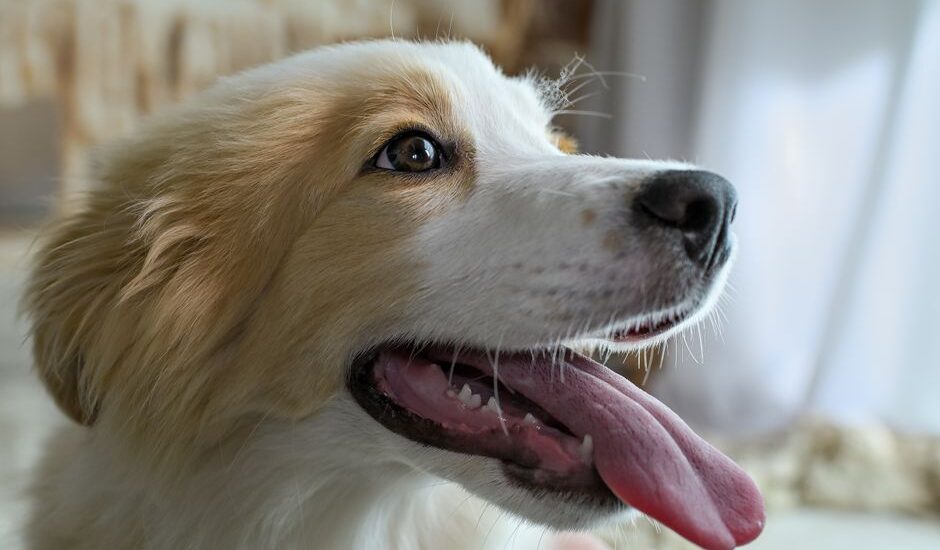
Panting is open-mouthed, often with the tongue out, and is usually shallow and rapid. Fast breathing (tachypnea) can occur with the mouth closed and may be quieter but is still abnormally rapid. Both can indicate health issues if they persist at rest.
Do certain breeds need more urgent vet care for resting panting?
Brachycephalic breeds (like Bulldogs, Pugs, and Boxers) and senior small breeds are at higher risk for airway and heart issues, so new or worsening panting at rest in these dogs should be treated as urgent. Flat-faced dogs can deteriorate quickly in heat or stress.
Can anxiety alone cause panting at rest, and how long does it last?
Yes, anxiety can trigger panting even when your dog is inactive. Anxiety-related panting usually resolves within 30–60 minutes once the stressor is removed, but if it persists or is accompanied by other symptoms, consult your vet.
What’s better for tracking: manual respiratory rate or a pet health monitor?
Manual respiratory rate checks (counting breaths per minute) are free and effective for most owners, but electronic pet health monitors can provide continuous, objective data—especially helpful for dogs with chronic conditions. Choose based on your comfort with technology and your dog’s risk level.
Are there any home remedies for mild resting panting?
For mild, situational panting (such as after a brief scare or mild heat), moving your dog to a cool spot, offering water, and removing stressors can help. Never use human medications or herbal remedies without veterinary guidance.
Where to go for further reading and expert guidance
For a deeper dive into canine respiratory health and emergency signs, the Cornell University College of Veterinary Medicine offers evidence-based resources and practical advice for pet owners. Their site is a solid starting point if you want to understand the science behind your dog’s symptoms.
Bottom line: Panting while resting isn’t always an emergency, but it’s never something to ignore. If your dog’s panting is new, persistent, or comes with other symptoms, document what you see and talk to your vet. Knowing your dog’s baseline—and when it changes—can make all the difference.
Last updated: June 2026 · How we put guides together