7 min read
Disclosure: As an Amazon Associate and eBay Partner Network publisher, we earn from qualifying purchases. This doesn’t affect what we recommend or how we describe it.
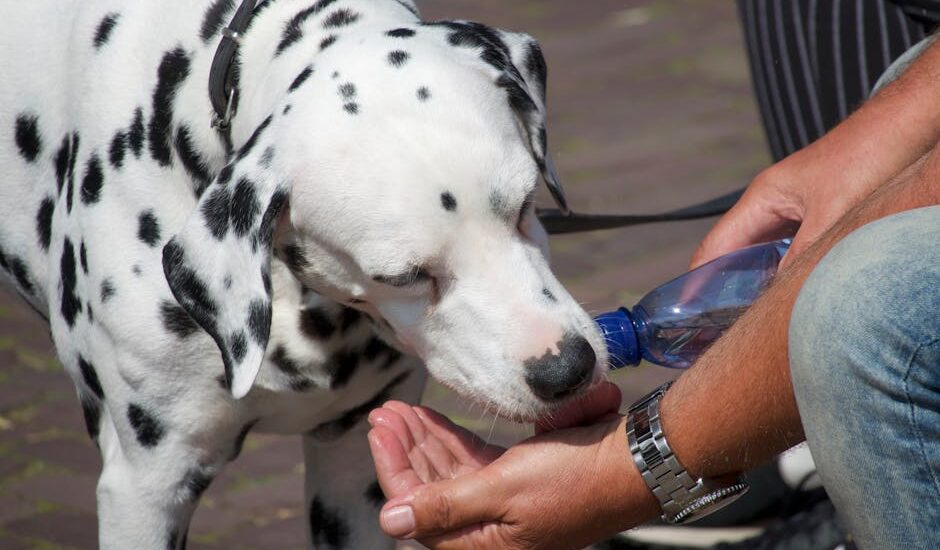
Portable dog water bottles with one-handed dispensing and leakproof seals are the most practical way to keep your dog hydrated on walks, hikes, and car trips. Not all options are equal, though: differences in capacity, bowl size, valve design, and cleaning ease can mean the difference between a hydrated, happy pup and a frustrating mess. Here’s what actually matters when choosing a dog water bottle for life on the go—and how to pick the right type for your breed, routine, and travel style.
Why “dog-specific” water bottles outperform standard bottles for hydration on the go
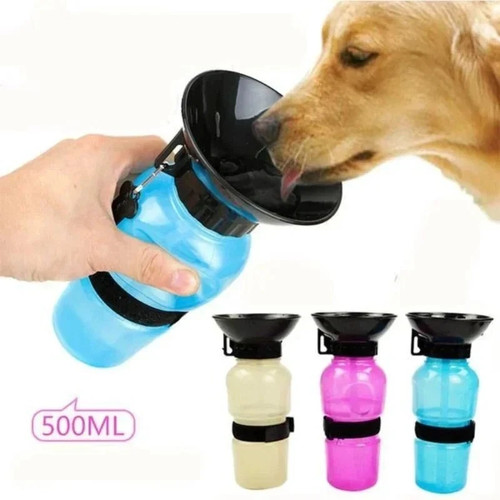
Human water bottles might seem convenient, but they rarely meet a dog’s needs. Dogs lap, not sip, and most breeds can’t drink neatly from a narrow-mouth bottle—leading to spills, wasted water, and, in some cases, dogs refusing to drink at all. Dog-designed bottles solve this with attached bowls or fold-out troughs, one-way valves to control flow, and leakproof locks for tossing in a bag.
For active or anxious dogs, quick access to water without fiddling increases the odds your pup will drink when they should. This is especially critical in hot weather or for breeds prone to overheating, such as Bulldogs and Pugs.
Comparison table: Dog water bottle types and their real-world strengths
| Option Type | Best For | Capacity (ml) | Dispensing Method | Leakproof? | Price |
|---|---|---|---|---|---|
| Integrated bowl bottle | Urban walkers, small/medium dogs | 350–500 | Button-activated; bowl fills on demand | Yes (silicone valve + lock) | $$ |
| Fold-out trough bottle | Large breeds, multi-dog homes | 500–800 | Squeeze to fill trough; self-draining | Some models | $$ |
| Collapsible cup with bottle | Hikers, space-savers | 500–750 | Unscrew cup, pour manually | Yes (screw cap) | $ |
| Gravity spout bottle | Crate travel, car rides | 300–600 | Ball-tipped spout; dog licks to release | Yes | $ |
| Insulated steel bottle with bowl | Hot climates, all-day outings | 650–900 | Pour into detachable bowl | Yes (double-sealed) | $$$ |
Note on pricing: the $ symbols are relative tiers within this comparison — $ is the cheapest of the bunch, $$$ the priciest. Live listings (and exact prices) appear further on.
Which dog water bottle style fits your pup’s routine?
Matching bottle style to your outings ensures your dog actually drinks—and you don’t wind up carrying dead weight. For city walks or short car rides, an integrated bowl bottle (350–500ml) is light and fuss-free. These are perfect if you have a small or medium breed, or if you’re rarely out more than an hour at a time.
For longer hikes, larger breeds, or multi-dog households, a fold-out trough bottle or an insulated stainless-steel setup (650ml+) prevents running dry. These models are bulkier, but the bigger drinking surface suits longer snouts and dogs who guzzle water. If you hike in hot climates or your dog is a heavy drooler, insulation keeps water cool and palatable for hours.
Space at a premium? Collapsible cup kits are a go-to for backpackers or those with limited bag room. They’re less convenient for one-handed use, but unbeatable for packability. For crate training or car travel, a gravity spout bottle mounts to kennel doors and dispenses water only when licked—helpful for dogs who tip over bowls.
See what’s available for each style and check which fits your walking or travel routine best.Breed, age, and life-stage: What actually changes in water bottle needs?
Breed and age shape not just how much water your dog needs, but also how they’ll interact with a bottle. Flat-faced breeds (French Bulldogs, Shih Tzus) often struggle with deep or narrow bowls—look for wide, shallow designs at least 8–10cm across. Long-nosed breeds (Collies, Shepherds) tolerate deeper troughs but need more volume per drink. For puppies, choose bottles with a softer, food-grade silicone bowl and a smaller capacity (350–400ml) to keep weight manageable.
Senior dogs may have arthritis or dental issues. They benefit from bottles with easy-press buttons and shallow bowls, as stiff joints make awkward angles and firm latches uncomfortable. For multi-dog homes, prioritize troughs at least 15cm long, or insulated bottles with detachable bowls that can be shared hygienically.
Compare today’s deals on bottle types that suit specific breed and age needs.Owner mistakes that sabotage hydration on the go
Leaving the bottle at home is the obvious one—but less obvious mistakes trip up even experienced owners. Overestimating how much your dog will “hold it” on walks often leads to dehydration, especially in hot weather. Another common error: underfilling the bottle, only to run out halfway through a hike. For reference, most active dogs need 40–60ml of water per kg of body weight daily—double that on hot days or strenuous outings.
Some owners forget to check for leaks. A bottle that dribbles in your bag or car quickly gets left behind, defeating the point. Always test the seal (especially button-activated valves) before heading out. Finally, not cleaning the bowl or trough after use can lead to bacterial buildup; aim for a quick rinse after every outing and a thorough wash at least once weekly.
Related Guides
- The Best Dog Winter Coats to Keep Your Pup Warm This Season
- The Best LED Dog Collars to Keep Your Pup Safe and Visible
- Dog Food Storage Containers That Actually Keep Kibble Fresh
- Our guide to Dog Raincoats That Actually Keep Your Pup Dry
- Our guide to Dog Seat Belt Harnesses That Actually Keep Your Pup Safe
Specifications that actually matter
Capacity (ml)
This controls how long you can go without refilling. For short walks, 350–500ml covers most small and medium breeds. For hikes over 2 hours or giant breeds, 650ml or more is safer—dogs can easily drink 100–200ml per stop in warm weather.
Bowl/trough width
Look for at least 8cm width for small-medium dogs, 12–15cm for large breeds. Too narrow, and many dogs won’t lap comfortably; too deep, and flat-faced breeds struggle to access water.
Valve/lock mechanism
A true leakproof lock is non-negotiable—silicone gaskets plus a mechanical lock are the gold standard. Test for drips by shaking the bottle upside-down; any leak risk is a dealbreaker for tossing in a backpack.
Ease of cleaning
Removable bowls and wide-mouth bottles (3.5cm+ opening) make cleaning and drying much easier. Avoid bottles with non-detachable parts or narrow necks, as these are breeding grounds for mold and bacteria over time.
Weight (empty and full)
Empty weights under 200g are ideal for urban walks, while insulated or high-capacity bottles can reach 400g+—a real consideration if you’re carrying for long distances or have limited pack space.
FAQ: Dog water bottles for hydration on the go
How often should I offer water to my dog during walks or hikes?
Offer water every 30–45 minutes on walks, and more frequently in hot weather or during strenuous activity. Even if your dog doesn’t seem thirsty, frequent small drinks help prevent overheating and dehydration.
Are dog water bottles safe for puppies?
Yes, as long as the bottle uses food-grade materials and the bowl is shallow and soft-edged. Choose a model with a capacity of 350–400ml to keep weight manageable for puppies, and clean after each use to avoid bacteria.
Which is better: Integrated bowl bottles or fold-out trough designs?
Integrated bowl bottles are great for one-handed use and quick stops, but fold-out troughs offer more drinking space for large breeds or multi-dog homes. If you mostly walk one small dog, integrated bowls are usually more convenient; for longer hikes or multiple dogs, troughs win on capacity and ease of sharing.
How long does a 500ml dog water bottle last on a typical outing?
For a 20kg active dog, 500ml usually covers 1–2 hours of moderate activity in temperate weather. In hot conditions or with heavy exercise, you may need to refill more often—plan on 250–300ml per hour for medium to large breeds.
What if my dog won’t drink from a portable bottle?
Some dogs are wary of unfamiliar shapes or materials. Try introducing the bottle at home with treats, and let your dog investigate while it’s empty. Wide, shallow bowls often help, as does using the same bottle consistently so your pup learns what to expect.
Do most dog water bottles come with a warranty?
Many mid-range and premium bottles offer a limited warranty (usually 6–12 months) against manufacturing defects, but coverage for leaks or breakage varies. Always check the return policy and inspect for leaks before your first outing.
When hydration is non-negotiable: My take
For most active dogs, an integrated bowl water bottle with a true leakproof lock is the best balance of portability, ease, and mess-free drinking. If you have a large breed, hike in hot climates, or need all-day cooling, upgrade to a high-capacity insulated bottle with a detachable bowl. The right bottle makes hydration a no-brainer—so your pup stays safe, happy, and ready for the next adventure. Check current prices and invest in a bottle that fits your real-world routine, not just your Instagram feed.
For more on canine hydration and travel gear, see the CDC’s guidance on water safety for pets and people.


Last updated: July 2026 · About our research