

8 min read
Disclosure: As an Amazon Associate and eBay Partner Network publisher, we earn from qualifying purchases. This doesn’t affect what we recommend or how we describe it.
Will a light-up collar actually make your dog safer at night—or is it just another pet gadget? The answer depends on your dog’s size, coat, and daily routine. Not all LED collars are created equal, and picking the wrong one could mean your dog is still nearly invisible on a dark road or trail. Let’s break down what separates a genuinely effective LED dog collar from the rest, and how to choose the right one for your dog’s real-world needs.
Why visibility isn’t one-size-fits-all for dogs
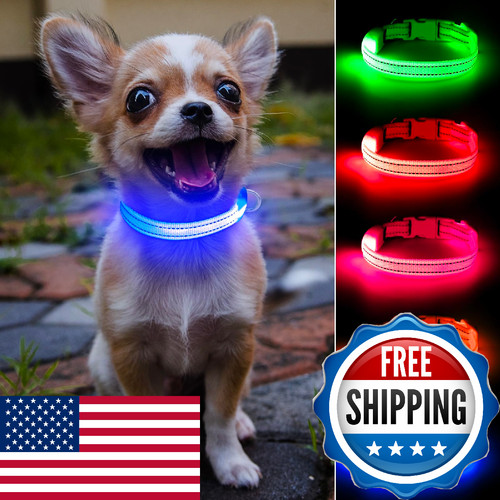
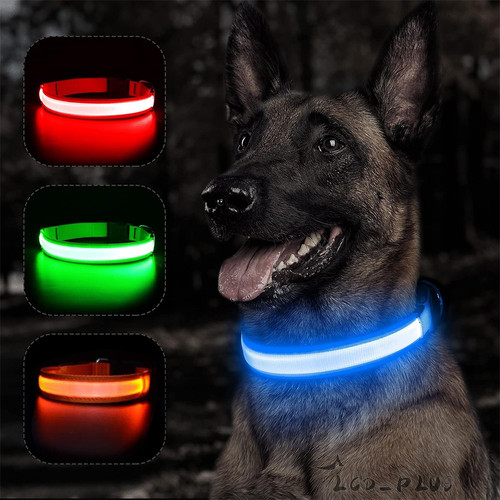
LED dog collars aren’t just about style or novelty—they’re about making your dog visible to drivers, cyclists, and you, especially in low-light conditions. But a collar that glows brightly on a short-haired terrier may barely peek through the thick ruff of a malamute or golden retriever. Collars with a single LED node can leave dark gaps, while full-length LED strips offer 360-degree visibility, which is critical for dogs who dart or turn quickly.
Size matters, too. A collar that fits a 10-pound Chihuahua may not even fasten on a 90-pound shepherd, and the width of the light strip affects both comfort and how much of your dog stands out in the dark. For breeds with long fur, LED collars with wider bands (at least 1 inch) and high-output diodes (measured in lumens—look for at least 60 lm) are more likely to be visible. For short-haired or small dogs, thinner collars with lower output may suffice, but you’ll still want coverage around most of the neck.
Comparison table: LED dog collar options by use case
| Option Type | Visibility (degrees) | Battery Life (hours) | Width (inches) | Water Resistance | Price |
|---|---|---|---|---|---|
| Full-strip LED collar | 360° | 8–12 | 1.0–1.2 | IP65 (heavy rain) | $$$ |
| Node-based LED collar | 180° | 15–20 | 0.75–1.0 | IP44 (splash-proof) | $$ |
| LED collar cover (sleeve) | 270° | 6–10 | Varies (fits over collar) | IPX4 (light rain) | $ |
| Clip-on LED tag | 90° | 20–30 | — | IP67 (submersible) | $ |
| USB-rechargeable smart collar | 360° | 5–7 | 1.2 | IP68 (submersible) | $$$ |
Price: $ = budget, $$ = mid-range, $$$ = premium — relative to the options compared above. Live prices and current stock are below.
Which LED collar configuration suits your dog’s lifestyle?
The right LED collar depends on more than just price. For urban walkers, a full-strip LED collar with 360° visibility and a water resistance rating of IP65 or higher offers maximum safety—especially for larger dogs or those with dark coats. These collars are typically rechargeable via USB, but battery life may be shorter (often 8–12 hours per charge), so nightly users should factor in charging routines.
For off-leash hiking or water-loving breeds, prioritize collars with high water resistance (IP67 or IP68), even if it means a slightly shorter battery life. Clip-on LED tags are a budget-friendly supplement for collars or harnesses, but their narrow beam (usually just 90°) means they’re best as backups, not primary solutions. LED collar covers are a flexible, low-cost option for dogs who already wear a favorite collar, though they may shift out of place during rough play.
Puppies and small breeds need lightweight, adjustable collars with soft edges—look for models under 1 inch wide and under 50 grams total weight. For seniors, consider collars with easy-to-use fasteners and longer battery life to minimize handling.
View available optionsBreed, coat, and age: factors that change your LED collar needs
A thick-coated husky will need more luminous output and a wider collar than a sleek-coated whippet. For double-coated or long-haired breeds, opt for full-strip collars with at least 1-inch width and high-brightness LEDs—some even offer up to 80 lumens, which can penetrate fur better. Short-haired or hairless breeds get by with lower output, but don’t skimp on visibility if you walk near traffic.
Puppies grow fast, so adjustable LED collars are essential. Look for collars with a minimum adjustment range of 3 inches to accommodate growth. For senior dogs, who may have arthritis or reduced vision, prioritize collars with simple snap closures or magnetic fasteners and avoid stiff, inflexible bands.
Dogs prone to chewing or rough play can damage exposed wiring, so choose collars with reinforced silicone or TPU housings and internalized LEDs. For toy breeds, check that the collar’s minimum weight is under 30 grams to avoid neck strain. For giant breeds, ensure the collar extends to at least 26 inches and provides full-length illumination.
Check current pricesCommon mistakes: what owners get wrong about LED dog collars
Many owners underestimate how much fur can obscure an LED collar, especially in breeds like collies or Newfoundlands. Another frequent oversight is assuming any “waterproof” label means safe for swimming—many LED collars are only splash-resistant (IP44), not submersible (IP67 or higher). Always check the actual IP rating, as only IP67 or IP68 collars are reliably swim-proof.
It’s also common to overlook battery life. Collars with high-output LEDs often last just one or two walks per charge, so if you walk nightly, pick a model with a minimum battery life of 8 hours or keep a backup ready. Finally, avoid collars with exposed charging ports or non-sealed seams, as these can short out in wet conditions and risk failure when you need them most.
Compare today’s dealsRelated Guides
- How to Make Homemade Dog Treat Balls: A Simple Recipe Guide
- Dog Food Storage Containers That Actually Keep Kibble Fresh
- Dog Calming Sprays That Actually Work: Our Top Recommendations
- Do Dogs Dream While Sleeping? What Science Tells Us
- How to Create a Dog-Friendly Yard: Tips for a Safe and Happy Outdoor Space
- How to Transition Your Dog to a New Food: A Step-by-Step Guide
- Browse all Buying Guides →
Quick decision tree
- If your dog swims or plays in water regularly: Choose a collar with IP67 or IP68 water resistance.
- If you walk near busy roads at night: Go for a full-strip LED collar with 360° visibility and at least 60 lumens output.
- If your dog has a thick or long coat: Pick a collar at least 1 inch wide with high-brightness LEDs.
- If you’re on a tight budget or want a backup: Try a clip-on LED tag or a sleeve-style cover for your existing collar.
- If you have a growing puppy: Use an adjustable LED collar with at least 3 inches of size flexibility.
FAQ: Real-world questions about LED dog collars
How long does an LED dog collar battery usually last between charges?
Battery life ranges from 5 to 30 hours, depending on the collar type and LED brightness. Full-strip collars with higher output tend to last 8–12 hours, while clip-on LED tags can exceed 20 hours. Always check manufacturer specs and consider your typical walk length before choosing.
Are LED collars safe for dogs to wear overnight?
Most LED collars are safe for short-term use, but continuous overnight wear isn’t recommended due to potential skin irritation and the risk of snagging. For nighttime visibility in your yard, consider collars with soft lining and auto-off timers, and always supervise if your dog is a chewer.
What’s better for visibility: a full-strip LED collar or a clip-on LED tag?
For all-around visibility, full-strip LED collars are significantly more effective, offering 360° illumination that’s visible from any angle. Clip-on tags provide limited coverage (usually just the front or one side), making them best as secondary safety devices or for use in well-lit areas.
Will a LED collar fit my toy or giant breed dog?
Most LED collars are adjustable, but check the size range carefully—some only fit necks up to 22 inches, while others extend to 26 inches or more. For toy breeds, look for collars that adjust down to 8–10 inches and weigh under 30 grams to avoid discomfort.
Can LED collars be used in the rain or at the beach?
Yes, but only if they have a water resistance rating of IP65 or higher. For swimming or heavy downpours, IP67 or IP68 collars are necessary. Lower-rated collars may fail or short-circuit if fully submerged or exposed to heavy rain.
What should I do if my LED collar stops working after just a few uses?
First, check for water damage, debris in the charging port, or battery issues. Many collars have short warranties (often 6–12 months), so contact the seller for replacement options. Avoid collars with exposed wiring or poorly sealed batteries, as these are prone to early failure.
Do LED collars interfere with leash clips or harnesses?
Some bulkier LED collars can make it tricky to attach a leash, especially if your dog uses a front-clip harness. Look for collars with a recessed D-ring or choose a LED collar cover that fits over your existing setup to avoid compatibility issues.
Expert tip: Visibility is only as good as your environment
No LED collar can guarantee visibility in all conditions. In heavy fog, snow, or tall grass, even the brightest collar may be obscured. For maximum safety, combine an LED collar with a reflective leash, and consider a lighted vest for dogs who run off-leash. For more on canine visibility and safety standards, see the American Veterinary Medical Association’s guidelines on night walks and pet safety.
My bottom-line recommendation for LED dog collars
If you walk your dog after dark more than once a week, invest in a full-strip LED collar with 360° visibility, at least 8 hours of battery life, and a water resistance rating of IP65 or higher. For thick-coated, water-loving, or giant breeds, don’t skimp on width or output—visibility can mean the difference between safety and a near-miss. Budget options and clip-ons are fine for backup, but your dog’s primary collar should stand out in all directions, in all weather. Choose thoughtfully, and your walks will be safer for everyone.


Last updated: July 2026 · How we put guides together