
Disclosure: As an Amazon Associate and eBay Partner Network publisher, we earn from qualifying purchases. This doesn’t affect what we recommend or how we describe it.
8 min read
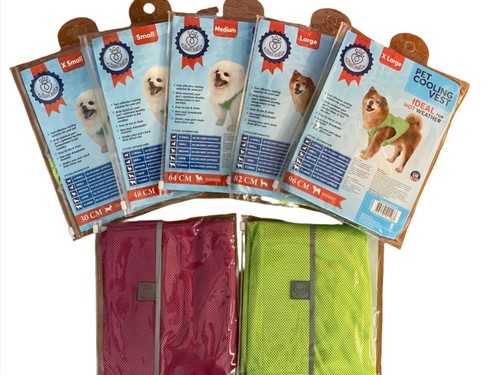
Most dog cooling vests promise relief from heat, but the difference between a vest that actually keeps your dog safe and one that’s just a damp rag comes down to three things: fit, cooling duration, and whether it restricts your dog’s movement or breathing. Not every vest works for every dog — and the wrong choice can be uncomfortable, ineffective, or even risky, especially for breeds already prone to heat stress. Here’s what you need to know before you trust any cooling vest with your dog’s comfort and safety. For more detail, see Cooling vest overview.
What Separates a Reliable Dog Cooling Vest from a Gimmick?
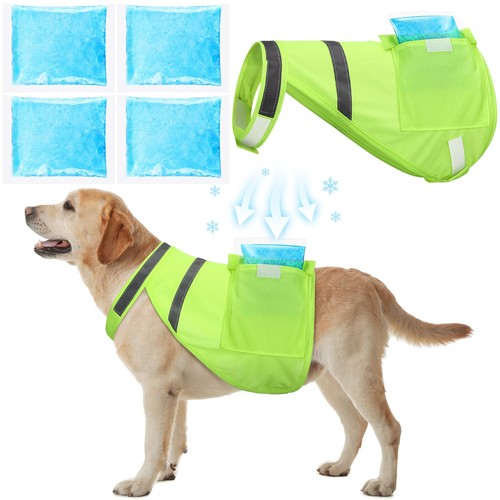
All cooling vests work on the principle of evaporative cooling: you soak the vest, wring it out, and let the water evaporate to draw heat away from your dog’s body. But not all vests are built to deliver real relief in real-world conditions.
- Effective cooling duration: Top vests deliver at least 30-45 minutes of active cooling in 90°F+ heat before needing a re-soak. Cheaper options often dry out in 15-20 minutes, leaving your dog exposed.
- Fit and coverage: Look for vests that cover the chest and back (the main heat-exchange zones), but avoid designs that wrap tightly around the neck or restrict shoulder movement.
- Breathability and weight: A good vest weighs less than 10oz when wet for a medium-sized dog (40-60 lbs), and made from mesh or multi-layered polyester that doesn’t trap heat once it dries.
- Fast recharging: You want a vest that re-soaks and re-cools in under a minute, so you’re not stuck waiting on the trail or at the park.
Amazon tends to carry the widest range of new models with same-week delivery — useful when you’ve already picked your shortlist.
Compare on Amazon →Comparison Table: Dog Cooling Vests by Use Case
| Profile | Best For | Cooling Time (90°F+) | Weight (Medium Size) | Adjustability | Coverage | Ease of Use |
|---|---|---|---|---|---|---|
| All-day adventure pick | Hiking, camping, long walks | 45-60 min | 8-10 oz | 3+ points (neck, girth, chest) | Full chest & back | Quick-release buckles |
| Quick-cool urban option | Short park outings | 20-30 min | 6-8 oz | Velcro straps | Back only | Step-in design |
| Puppy/small breed fit | Toy & small breeds (under 15 lbs) | 15-25 min | 3-5 oz | 2 points (chest, belly) | Chest-focused | Simple slip-on |
| Heavy-duty large breed vest | Labs, shepherds, retrievers | 40-50 min | 10-12 oz | Reinforced straps, extra girth | Full chest, belly, back | Wide openings, buckle closure |
| Budget-conscious basic | Occasional use, backup vest | 15-20 min | 7-9 oz | Minimal (one strap) | Back only | Pull-over style |
Why Some Dogs Need Cooling Vests More Than Others
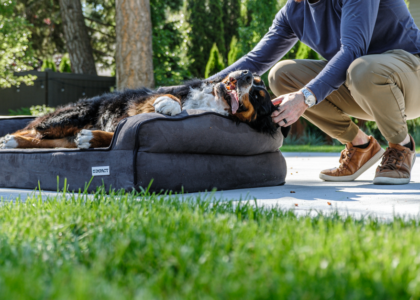
Brachycephalic breeds (like bulldogs, pugs, and boxers), dogs with thick double coats (huskies, malamutes), and seniors are especially vulnerable to overheating. For these dogs, a vest isn’t just a comfort item — it can be a key part of safe summer outings. But the wrong fit or material can actually worsen overheating if it traps heat or restricts airflow.
- Brachycephalic breeds: Always choose a vest with wide neck openings and zero pressure on the airway. Avoid anything that wraps around the throat.
- Double-coated dogs: Look for extra-breathable mesh layers and avoid heavy, multi-layered vests that might mat fur or trap moisture against the skin.
- Seniors and puppies: Lightweight vests (under 8 oz wet for small/medium dogs) are safer. Older dogs may struggle with step-in or tight pullover designs — opt for vests with large buckle openings.
How to Size a Cooling Vest for Deep-Chested and Odd-Shaped Breeds
Standard vest sizing rarely accounts for greyhounds, dachshunds, or barrel-chested breeds. Measure your dog’s girth at the widest point (just behind the front legs) and compare it to the manufacturer’s size chart. For deep-chested breeds, prioritize vests with adjustable chest and belly straps (at least 2” range per strap) to avoid gaping or pinching.
- For barrel-chested dogs (e.g., French bulldogs, corgis): Choose vests with a wide chest panel and extra-long belly straps.
- For long-bodied breeds (e.g., dachshunds): Look for vests with longer back panels or multi-point adjustments to prevent shifting.
Safety Risks: What Most Cooling Vest Reviews Overlook
Evaporative cooling only works in dry or moderately humid environments — in high humidity (above 70%), a wet vest can actually trap heat. Never leave a vest on your dog if it feels warm to the touch or if your dog shows signs of distress (excessive panting, drooling, disorientation). Check the vest every 15-30 minutes, and re-soak or remove as needed.
- Chafing: Watch for redness under straps, especially after long walks. Opt for vests with soft binding and no exposed seams.
- Over-tightening: You should be able to slide two fingers under any strap. Avoid vests with only Velcro closures for strong pullers.
- Night use: Most cooling vests are not visible in low light. If you walk at dawn or dusk, look for vests with reflective trim (at least 1” wide) or add a clip-on light.
Real-World Testing: What Matters Most for Active Dogs
In field tests with working breeds and high-energy dogs, cooling vests that stayed in place during running and jumping relied on at least two girth points of adjustment and a back panel that didn’t bunch up. Adventure-ready vests with quick-release buckles and reinforced stitching held up for multiple summers — while budget picks with single Velcro straps often failed after a handful of uses or got chewed through by determined pups.
For water-loving dogs, avoid vests with absorbent foam cores — these don’t dry quickly and can get heavy, especially after a swim. Mesh-layered options weighing under 10 oz (wet) were consistently more comfortable and less likely to cause hot spots or matting.
Common Mistakes: How Owners Undermine Cooling Vest Performance
- Using a dry vest: A dry evaporative vest insulates, making your dog hotter. Always soak and wring out before use.
- Leaving on too long: Once the vest is dry or warm to the touch, it stops cooling. Remove or re-soak every 20-45 minutes depending on conditions.
- Improper sizing: A loose vest can slip and chafe; a tight vest can restrict movement or breathing. Measure carefully and adjust all straps for a snug, not tight, fit.
- Ignoring local humidity: In high humidity, cooling vests work poorly — prioritize shade, water, and rest breaks instead.
When a Cooling Vest Is Worth the Investment
If your dog regularly struggles with heat on walks, pants excessively after short outings, or you live in an area with frequent 85°F+ days, a cooling vest can be a game-changer. However, don’t expect miracles: vests are most effective as part of a broader heat-management plan (shade, water, and activity timing). For dogs with medical conditions or a history of heatstroke, always consult your veterinarian before relying on any gear for heat safety.
If you want a vest that handles long hikes or all-day adventures, look for models with at least 45 minutes of cooling time and three or more adjustment points. For casual outings, a lightweight, quick-on vest may suffice. Compare today’s deals to see what fits your dog’s lifestyle best.
Amazon tends to carry the widest range of new models with same-week delivery — useful when you’ve already picked your shortlist.
Compare Options on Amazon →FAQ: Answers to Real Dog Cooling Vest Questions
How long does a typical dog cooling vest stay cool before it needs to be re-wet?
Most vests provide 20-45 minutes of effective cooling in dry heat above 85°F, depending on humidity and the thickness of the vest. High-performance options can last up to an hour, while budget or minimalist designs may dry out in 15-20 minutes. Always check the vest’s temperature by touch and re-soak as soon as it feels warm or dry.
Are cooling vests safe for puppies and seniors?
Yes, but choose lightweight models (under 8 oz wet for smaller dogs) and avoid anything that restricts breathing or movement. Seniors and puppies are more sensitive to overheating and chafing, so check frequently for signs of discomfort and never leave a vest on unsupervised.
Do cooling vests work in humid climates?
Evaporative cooling vests lose effectiveness as humidity increases — above 70% humidity, they offer little to no cooling benefit and may even trap heat. In these conditions, focus on shade, hydration, and limiting activity during peak heat. Some owners use ice pack vests, but these require extra caution to avoid overcooling.
Can my dog wear a harness over a cooling vest?
Some vests are designed to be worn under a harness, but many create bunching or restrict movement if layered. Look for vests with a low-profile design and check for harness compatibility in the product description. Never force a harness over a thick or stiff vest, as this can cause chafing or impair fit.
Will a cooling vest help a dog with a thick double coat?
Yes, but only if the vest is made from breathable mesh and doesn’t trap moisture against the skin. For breeds like huskies or collies, avoid multi-layered, heavy vests and opt for lighter designs that allow airflow. Always dry your dog’s coat thoroughly after each use to prevent skin irritation.
How do I clean and store a dog cooling vest?
Most vests can be hand-washed with mild soap and air-dried. Avoid bleach or fabric softeners, which can damage the cooling material. Store the vest completely dry and out of direct sunlight to prevent mold or material breakdown. Some vests are machine-washable — check the care label for specifics.
Choosing the Right Cooling Vest for Your Dog’s Needs
The best cooling vest is the one your dog will actually wear — and that you can reliably keep cool during your real-world adventures. For active dogs, prioritize adjustability and cooling duration; for small or senior dogs, focus on lightweight comfort and easy-on design. Don’t let marketing hype override practical fit and safety. See what’s available in your dog’s size and profile, and invest in the option that matches your climate, breed, and routine. For many dogs, a well-chosen cooling vest isn’t just a summer accessory — it’s a ticket to safer, longer, more joyful time outdoors.
Related Guides
- Dog Cooling Mats That Actually Work: Top Picks for Hot Weather Relief
- Top Dog GPS Collars That Actually Work
- Shedding Brushes That Actually Work: Top Picks for Every Dog Coat
- Dog Toothbrushes and Toothpastes That Actually Work
- Dog Car Barriers That Actually Work: Our Top Picks for Safe Travels
- Browse all Buying Guides →