7 min read
You’re standing in the pet food aisle, a new bag in hand, wondering how to swap your dog to a different formula without risking a week of digestive disasters. Maybe your vet recommended a diet change, or your dog’s food is suddenly discontinued. Either way, you’re right to pause—most cases of vomiting or diarrhea after a food switch aren’t about the food itself, but about how abruptly it was introduced. This guide cuts through generic advice and gives you a breed- and age-specific roadmap for transitioning your dog to new food, with practical timelines, troubleshooting, and the details most guides miss.
Why abrupt food switches almost always backfire
Dogs have a complex community of bacteria in their gut—what’s called the microbiome. When you change food suddenly, this ecosystem is thrown out of balance. The result? Loose stools, gas, and sometimes outright refusal to eat. In my years evaluating pet foods and talking to veterinary nutritionists, the consensus is clear: even “digestive care” formulas can cause issues if you swap them overnight. For most dogs, a transition period of 7–10 days is ideal, with even longer for sensitive breeds or those with a history of GI upset.
Comparison table: Transition plans for different dog types
| Approach | Best for | Transition Length | Meal Ratio Changes | Special Considerations |
|---|---|---|---|---|
| Standard 7-Day Mix | Healthy adults (all breeds) | 7 days | 75/25 → 50/50 → 25/75 → 0/100 | Monitor for mild GI upset |
| Extended 14-Day Transition | Sensitive stomachs, small/toy breeds | 14 days | 10% increments every 2 days | Reduces risk of diarrhea |
| Puppy Gradual Switch | Puppies (under 12 months) | 10–14 days | Slow increase by 10–15% per 2 days | Watch for appetite dips |
| Senior Dog Cautious Plan | Dogs 8+ years, large breeds | 14 days | 5–10% new food increments | Monitor hydration, joint health |
| Prescription Diet Protocol | Vet-directed diet changes | 7–21 days (as advised) | Follow veterinary instructions | May require bland food backup |
What most guides miss about breed and life stage
Not all dogs handle food transitions the same way. For example, breeds like Boxers and German Shepherds are notorious for sensitive digestion and may need a slower transition—think 14 days or more, with increments as small as 5% per meal. Toy breeds, due to their tiny stomachs, can become hypoglycemic if they skip meals or reject new food, so transitions must be gradual and monitored carefully.
Puppies and seniors deserve special mention. Puppies’ digestive systems are still developing; a sudden change can cause setbacks in house training and even growth issues. For seniors, especially large breeds, abrupt dietary changes can worsen arthritis or kidney function due to swings in nutrient intake. Always check that the new food matches your dog’s life stage and breed-specific needs—kibble size, protein content, and even fat percentages can vary widely. For more on breed-specific nutrition, see the World Small Animal Veterinary Association guidelines.
How to structure a safe, gradual transition
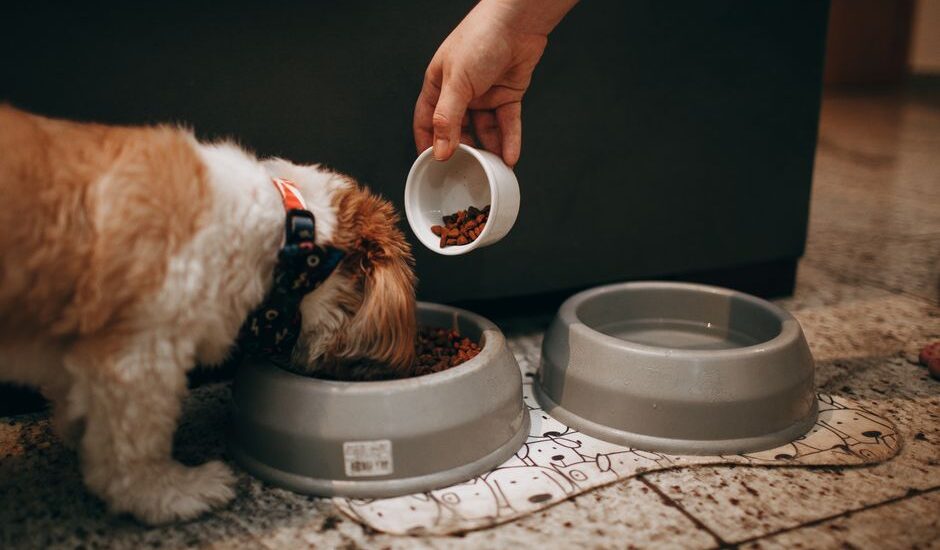
The gold standard is the “mixing” method. Here’s a practical example for a healthy adult dog:
- Days 1–2: 75% old food, 25% new food
- Days 3–4: 50% old, 50% new
- Days 5–6: 25% old, 75% new
- Day 7: 100% new food
For breeds with sensitive stomachs or dogs with a prior history of GI upset, stretch this plan to 10–14 days, adjusting by 10% increments every two days. If you see vomiting, loose stools, or refusal to eat for more than 24 hours, pause at the current ratio or even backtrack to the previous step.for gentle-transition formulas if your dog is especially prone to stomach issues.
The spec almost nobody talks about: Kibble size and shape
Most transition guides focus on ingredients, but ignore kibble size—a real issue for small breeds or seniors with dental issues. Switching from a small, round kibble to a large, flat one can cause refusal or even choking risk. For toy breeds, look for kibble sizes under 8mm diameter. Large breed formulas should be at least 15mm to encourage chewing. If your new food is a radically different shape or hardness, consider soaking the kibble in warm water for 5–10 minutes during the transition week.in breed-appropriate kibble sizes before switching.
Related Guides
- Our guide to Freeze-Dried vs. Dehydrated Dog Food: What’s the Real Difference?
- Grain-Free vs. Grain-Inclusive Dog Food: Which Is Better for Your Dog?
- How to Tell If Your Dog Has a Food Allergy: Key Signs to Watch For
- What Causes Food Allergies in Dogs? Understanding the Key Triggers
- Browse all Care Guides →
Common mistakes to avoid
- Switching foods cold turkey: Abrupt changes overwhelm your dog’s digestive system, almost guaranteeing diarrhea or vomiting.
- Ignoring portion adjustments: New foods may be more calorie-dense; failing to adjust portions can cause weight gain or loss.
- Not checking expiry dates: Expired food—even if unopened—can lead to GI upset that gets blamed on the transition itself.
- Only using the old bag to mix: Running out of the old food mid-transition forces an abrupt switch. Always buy enough old and new food to cover the full transition window.
- Skipping hydration checks: Some foods (like high-protein or freeze-dried) increase water needs. Insufficient water can trigger constipation during the switch.
When to pause, slow down, or call your vet
Mild soft stools are common and usually resolve in a day or two. But if you see blood, vomiting, refusal to eat for more than 24 hours, or lethargy, stop the transition and consult your vet. For dogs with chronic illnesses (like kidney disease or pancreatitis), any diet change should be supervised by a professional. And remember: prescription diets often require a much slower transition—sometimes up to three weeks.
What to do if your dog refuses the new food
Some dogs turn their nose up at even the highest-quality formulas. If your dog is skipping meals but otherwise healthy, try adding a small amount of warm water or a spoonful of plain canned pumpkin (not pie filling) to boost aroma. For stubborn cases, hand-feed small amounts or use puzzle feeders to make the new food more enticing. If refusal lasts more than 48 hours, revert to a higher proportion of the old food and slow the transition further.for palatability enhancers that work for picky eaters.
FAQ: Transitioning a dog to new food
How long should the transition to new food take?
For most healthy adult dogs, seven days is sufficient. For puppies, seniors, or dogs with sensitive stomachs, plan on 10–14 days. Prescription diets or complex health issues may require up to 21 days under veterinary guidance.
Is it ever safe to switch food overnight?
Only in rare, vet-directed situations, such as food recalls or severe allergies, should you switch cold turkey. Otherwise, abrupt changes almost always trigger GI upset.
What’s better: gradual or immediate transition for sensitive breeds?
Gradual transitions are strongly preferred for sensitive breeds like Bulldogs, German Shepherds, and small/toy dogs. These breeds are prone to digestive upset and benefit from slow, incremental changes over 10–14 days.
How much old food should I have on hand before starting?
Always ensure you have at least a week’s worth of the old food. This prevents running out mid-transition, which would force an abrupt switch and likely digestive issues.
What if my dog gets diarrhea during the transition?
If mild, pause at the current ratio or backtrack to the previous mix for 2–3 days. Persistent diarrhea (over 48 hours), vomiting, or lethargy should prompt a call to your vet.
Are there any foods that require a longer transition time?
Yes. High-protein, grain-free, or prescription diets often require a slower transition—10 to 21 days—especially for seniors or dogs with pre-existing health conditions. Always follow your vet’s instructions for these cases.
Does the new food’s kibble size matter in the transition?
Absolutely. Drastic changes in kibble size or hardness can cause refusal or choking, especially in small breeds or seniors. Match kibble size to your dog’s jaw size and chewing ability during the switch.
Closing advice: Aim for patience, not speed
Rushing a food transition rarely pays off—most digestive issues are preventable with a measured, breed- and age-appropriate plan. Stock up on both old and new food, watch your dog’s stool and appetite, and don’t be afraid to slow down if needed. For more on dog nutrition and safe food changes, refer to the World Small Animal Veterinary Association or consult a board-certified veterinary nutritionist. The right transition is a small investment that pays off in comfort and health for your dog.
Last updated: July 2026 · About our research