
9 min read
Dog whisker fatigue is a term you’ll see debated in pet forums, veterinary blogs, and among concerned owners of sensitive, picky, or suddenly “fussy” dogs. For some, it’s a revelation—a potential answer to odd eating behaviors or new aversions to water bowls. For others, it’s a buzzword that gets tossed around without much clarity. Owners of flat-faced breeds, dogs with especially prominent whiskers, or those seeing abrupt changes in their dog’s comfort around food and water are the ones who most often seek answers. And for each, the stakes are different: relief for a stressed dog, an end to mysterious mealtime struggles, or simply a better understanding of canine sensory health.
What actually happens during whisker fatigue?
Whiskers—technically called vibrissae—are deeply rooted, highly sensitive hairs that send rich sensory data to a dog’s brain. When a dog’s whiskers brush against objects, especially repeatedly or with force, they transmit a barrage of signals via nerves at their base. Whisker fatigue refers to the overstimulation or stress that can result when these sensory hairs are constantly triggered—think dozens or hundreds of micro-contacts per meal or drink.
This isn’t a “fatigue” in the muscle sense, but more like sensory overload. For some dogs, the effect is subtle: a reluctance to put their face in a deep bowl, or hesitation around narrow spaces. For others, it triggers avoidance, agitation, or even food refusal. The concept is especially relevant for breeds with long or stiff whiskers, or for dogs using deep, narrow bowls on a daily basis.
Why the debate? Veterinary context and owner experience
Veterinary consensus on whisker fatigue is mixed. While whiskers are known to be highly sensitive—packed with nerves and blood vessels—there’s limited direct research proving that “fatigue” (as owners describe it) causes behavioral issues. Some vets see it as plausible, especially in cats, whose whiskers are even more sensitive. Others suggest that what’s labeled “whisker fatigue” is often a behavioral or environmental issue, not a true sensory disorder.
What is clear: many owners report real changes when switching to whisker-friendly bowls or making feeding areas less crowded. This pattern is most pronounced in breeds with prominent vibrissae and in older dogs that become more sensitive with age. The lack of hard data doesn’t mean the phenomenon is imaginary—but it does mean you should approach solutions with a blend of observation and healthy skepticism.
Recognising signs: Is your dog affected?
Not every dog with whiskers will show signs of discomfort, but certain behaviors should catch your attention—especially if they emerge suddenly:
- Backing away from or circling food and water bowls
- Eating food off the floor rather than from the bowl
- Reluctance to finish meals or drink water, with no change in appetite
- Pawing at the bowl or tipping it over
- Visible signs of stress or frustration during feeding
These behaviors are not exclusive to whisker fatigue. Dental pain, anxiety, or even dislike of a new food can look similar. But if you notice these patterns in a dog with long, stiff whiskers, especially when using deep or narrow bowls, it’s worth considering whisker fatigue as one part of the puzzle.
Which dogs are most at risk? Breed, age, and bowl design
Breed plays a significant role. Dogs with pronounced whiskers—think sighthounds, retrievers, spaniels, and many terriers—have more surface area for stimulation. Flat-faced (brachycephalic) breeds like Bulldogs and Pugs, whose whiskers often press against bowl sides, are also frequent candidates. Senior dogs sometimes become more sensitive due to changes in nerve function or simple weariness with sensory stress.
Bowl design is a major factor. Deep, narrow, or high-lipped bowls concentrate contact right at the whisker base. Stainless steel and ceramic bowls with steep sides (height above 6 cm, opening diameter below 15 cm) are the usual culprits. Shallow, wide bowls (less than 4 cm deep, more than 20 cm across) offer more space for the muzzle without compressing whiskers. Elevated feeders can help, but only if the bowl shape itself is whisker-friendly.
Comparison table: Bowl design and feeding setup options for whisker-sensitive dogs
| Feeding Setup Type | Bowl Depth (cm) | Opening Diameter (cm) | Material | Ease of Cleaning |
|---|---|---|---|---|
| Shallow, wide bowl | 2–4 | 20–28 | Ceramic / Stainless Steel | Dishwasher safe |
| Standard deep bowl | 7–10 | 12–16 | Plastic / Stainless Steel | Hand-wash often |
| Elevated feeder with wide bowl | 3–5 | 22–30 | Bamboo / Stainless Steel | Removable, dishwasher safe |
| Slow feeder (maze style) | 5–7 | 18–24 | Food-grade plastic | Hand-wash recommended |
| Flat mat (lick mat) | <1 | 30+ (flat) | Silicone | Dishwasher safe |
Related Guides
- Why Do Dogs Pace? Understanding Pacing Behavior in Dogs
- Our guide to How to Train Your Dog to Use a Ramp With Confidence
- How to Teach Your Dog the “Leave It” Command: Step-by-Step Guide
- Are Elevated Dog Bowls a Good Choice for Small Dogs?
- No-Pull Dog Harnesses That Actually Work: A Practical Guide
- Our guide to Why Do Dogs Howl at Sirens? Unpacking the Science and Instincts
- Browse all Health & Wellness →
Breed and age: Which dogs benefit most from a whisker-friendly setup?
Flat-faced breeds (like French Bulldogs, Boston Terriers, and Boxers) often struggle with deep bowls, as their muzzles are short but their whiskers broad. Sighthounds (such as Greyhounds and Salukis) have long, outward-sprouting whiskers that easily hit bowl sides. For these dogs, switching to a shallow, wide bowl can dramatically reduce hesitation at meals.
Puppies rarely show signs of whisker fatigue, since their whiskers are shorter and less stiff, and their exploratory behaviors override minor irritations. Seniors, however, may become more sensitive as their senses dull or as arthritis makes awkward eating more frustrating. For older dogs, a whisker-friendly bowl can be a simple but meaningful quality-of-life improvement.
What does a whisker-friendly bowl actually look like?
The ideal bowl for a whisker-sensitive dog is wide and shallow—less than 4 cm deep, with an opening at least 20 cm across for medium to large breeds. The sides should slope gently, not steeply, so the dog’s muzzle can reach food or water without compressing whiskers. Materials matter: stainless steel and ceramic are easiest to clean and least likely to harbor bacteria, but avoid bowls with sharp or rough edges.
For dogs with long muzzles and prominent whiskers, consider a flat feeding mat or a “plate” style dish. These let the dog lick or pick up food with minimal side contact. Elevated stands can help older dogs or those with arthritis, but only if the bowls themselves are designed to minimize whisker contact.
Curious about which setup might work best for your dog?on whisker-friendly feeding solutions.
Owner mistakes: What not to do when addressing whisker fatigue
It’s easy to misdiagnose whisker fatigue when the real issue is dental pain, illness, or anxiety. Always rule out medical causes—especially sudden food refusal or changes in water intake. Swapping bowls is low-risk, but don’t expect it to solve entrenched picky eating or serious behavioral problems overnight.
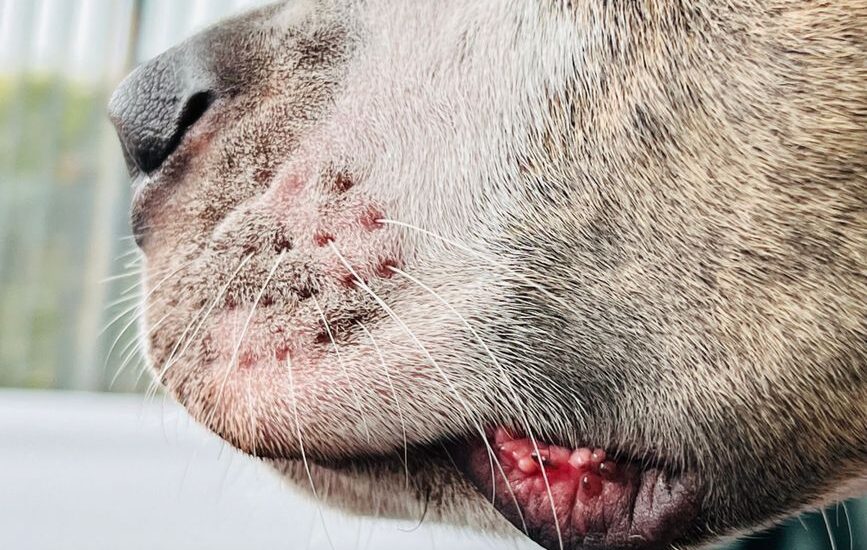
Avoid plastic bowls if possible. They can develop micro-scratches that harbor bacteria and may contribute to chin acne in sensitive dogs. Don’t go too shallow for large or long-eared breeds, as this can lead to mess and frustration. And resist the urge to buy a “whisker-friendly” bowl that’s just a marketing gimmick—look for real specs: depth under 4 cm, opening over 20 cm, and easy cleaning.
Looking for a practical upgrade?in wide, shallow, dishwasher-safe bowls.
Total cost of ownership
Switching to a whisker-friendly feeding setup comes with a few hidden or ongoing costs beyond the initial purchase. Here’s what to plan for:
- Replacement frequency: Ceramic and silicone bowls can chip or wear out every 1–2 years, especially if dropped or chewed.
- Cleaning supplies: Dishwasher-safe options will save time, but hand-washing mats or slow feeders may require dedicated brushes or non-abrasive sponges—budget $10–$20 per year.
- Non-slip mats or tray: Shallow, wide bowls are easier to tip or slide, so a non-slip mat ($15–$30) is a common add-on.
- Elevated feeder upkeep: Stands made of bamboo or wood may need oiling or replacement every 2–3 years, especially in humid environments.
- Multiple bowl sets: Many owners keep 2–3 sets on hand for rotation, especially if raw or wet food is served—expect to double or triple up front costs.
Ready to make the switch?on starter kits and bowl sets designed for sensitive dogs.
Frequently asked questions about dog whisker fatigue
How long does it take for a dog to adjust to a whisker-friendly bowl?
Most dogs will show a change in behavior within 1–2 meals if whisker fatigue was the main issue. If you see no improvement in a week, look for other causes such as dental pain or anxiety.
Is whisker fatigue more common in dogs or cats?
Whisker fatigue is more widely recognized in cats, whose whiskers are even more sensitive. However, certain dog breeds—especially those with long or stiff whiskers—can experience similar sensory overload, particularly with deep or narrow bowls.
Wide bowl vs. slow feeder: which is better for whisker fatigue?
For dogs prone to whisker fatigue, a wide, shallow bowl is usually better. Maze-style slow feeders can still cause whisker contact, but they help with gulping. If your dog needs both, look for a slow feeder with a wide, open design and shallow depth.
Can you just trim your dog’s whiskers to solve the problem?
No—trimming or cutting whiskers is not recommended. Whiskers are sensory organs, and removing them can disorient or stress a dog. The best solution is to adjust the feeding setup, not the dog’s anatomy.
Are there any health risks if whisker fatigue goes unaddressed?
While whisker fatigue itself isn’t a disease, ongoing stress at mealtime can lead to reduced food or water intake, which may cause dehydration or weight loss over time. If you see persistent avoidance, consult your veterinarian.
What’s the return policy on most “whisker-friendly” bowls?
Return policies vary by retailer, but most offer a 30-day window for unused or lightly used bowls. Check specifics before purchase, especially with specialty or custom-made feeders.
How do you clean a silicone lick mat or feeding mat?
Most silicone mats are dishwasher safe (top rack), but for sticky foods or raw diets, a soft brush and mild detergent work best. Avoid harsh scrubbers that can degrade the silicone over time.
Where does whisker fatigue fit into the bigger picture of canine sensory health?
Whisker fatigue is just one aspect of how dogs interact with their environment. Sensory overload, environmental stress, and physical discomfort can all affect feeding behavior. While the science is still catching up, real-world owner experience suggests that bowl design and feeding setup are easy, low-risk factors to adjust—and can make a genuine difference for some dogs.
For further reading on canine sensory systems and vibrissae, see this overview by veterinary experts.
Our take: When to act and what to expect
If your dog hesitates at mealtime, paws at their bowl, or seems uncomfortable eating or drinking, whisker fatigue is worth considering—especially if you have a breed with prominent whiskers or you use deep, narrow bowls. The fix is simple, inexpensive, and risk-free: switch to a wide, shallow, easy-to-clean bowl and see if things improve. Don’t expect miracles for every feeding issue, but for the right dog, this small change can make a big difference in comfort and mealtime enjoyment.
Last updated: July 2026 · How we put guides together